Milia Appearances Puzzle Dermatologists and Skin Experts
Small, pale bumps have been popping up on people's faces overnight, leading to confusion over what they are - a mild breakout or whiteheads.
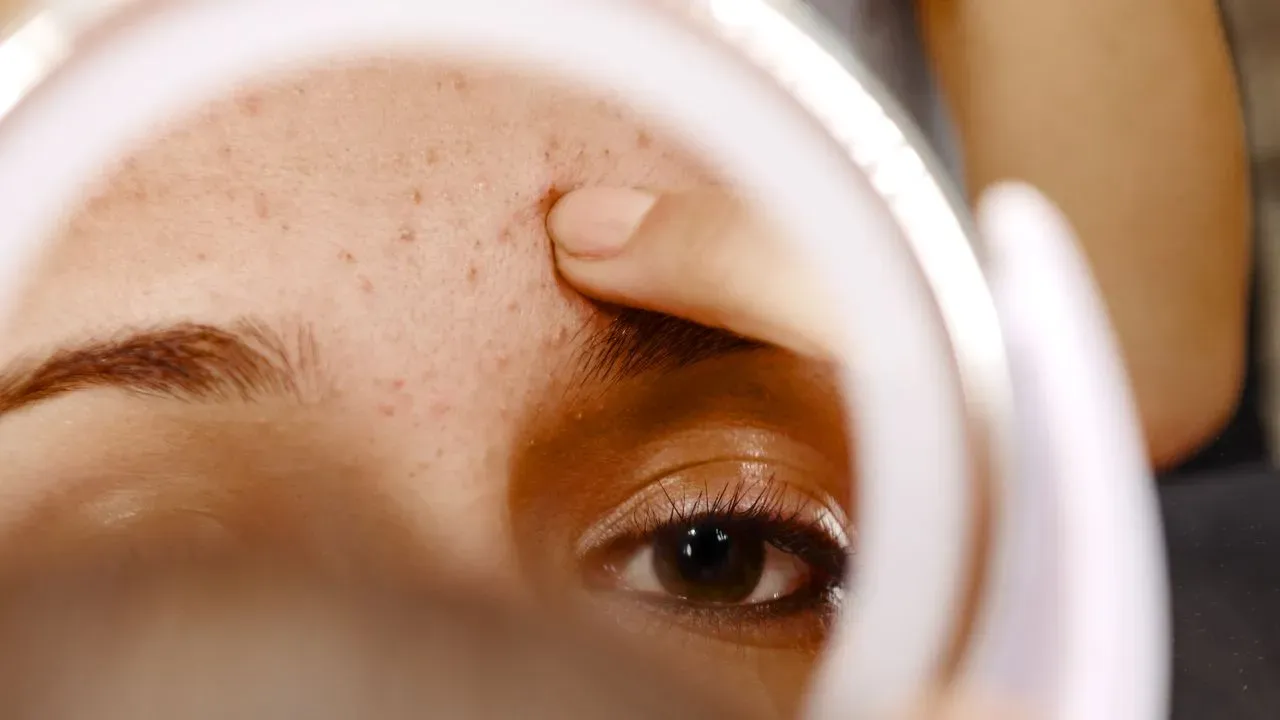
Small, pale bumps have been popping up on people's faces overnight, clustered under the eyes, on the cheeks, or along the nose, leading to confusion over what they are - a mild breakout or whiteheads.
But experts warn that what looks like a simple acne issue may actually be something entirely different: milia, a skin concern that doesn't respond to traditional acne treatments and shouldn't be squeezed.
According to Dr. Emmaline Ashley, a cosmetic physician and head of education at Acquisition Aesthetics, milia are tiny cysts that sit just under the skin's surface, making them distinct from whiteheads.
Milia presents itself as pearly-white bumps, but unlike whiteheads, they are not inflammatory, infectious, or related to acne - instead, they are firmer and deeper-set.
Milia often occur when skin cells and keratin become trapped beneath the surface, rather than being naturally exfoliated.
This trapping of dead skin cells and keratin leads to the formation of small, pearly bumps that can appear around the delicate areas of the eyes and cheeks, where the skin is thinner and more prone to buildup.
According to dermatologists, milia are smooth, dome-shaped, and feel firm to the touch. They can be caused by a variety of factors, including dry or damaged skin in adults and newborns.
The use of occlusive ingredients, such as petroleum jelly or thick hydrating formulas, can disrupt natural exfoliation and contribute to the formation of milia. Even common ingredients like dimethicone, found in some makeup products, can cause congestion when layered too heavily.
Milia can manifest in various forms, primarily categorized into primary and secondary types.
Primary milia are those that appear spontaneously without an apparent reason, often presenting as small white bumps on newborns or adult eyelids and cheeks. This type of milia is a common occurrence in infants, but it can also affect adults without any underlying cause. The exact reasons for the development of primary milia are still unclear.
Secondary milia, on the other hand, arise from skin injuries such as burns, blisters, scars, or certain cosmetic procedures. These lesions occur as a result of trauma to the skin, which may lead to the formation of milia due to clogged pores and trapped keratin. Skin damage can be caused by various factors, including accidents or intentional treatments.
Milia can also take on more complex forms, such as milia en plaque, characterized by a clustered patch of inflammation on affected areas. Another rare occurrence is multiple eruptive milia, where numerous cysts form over several weeks to months on the upper arms, stomach, face, and other areas, sometimes accompanied by intense itching sensations.
For newborns, milia can appear in unexpected areas of their body, including inside the mouth, making it essential for parents to be aware of this common condition.
When it comes to secondary milia, experts suggest that they often emerge at sites where there has been trauma or inflammation, indicating a possible link between skin damage and milia formation.
To treat milia from home, consistency is crucial. Gentle exfoliating ingredients can help reduce the appearance of milia and prevent new ones from forming by promoting cell turnover and minimizing keratin buildup.
When selecting products for at-home treatment, look for formulas containing retinoids, AHAs, or BHAs, which are beneficial not only for treating milia but also for managing acne and congestion. However, when using these ingredients around delicate areas like the eyes, it's essential to exercise caution.
When it comes to preventing primary milia, there is no foolproof method as they can arise unexpectedly. However, individuals who frequently experience them may benefit from adopting certain habits to minimize their occurrence. Experts recommend steering clear of heavy or occlusive products around the eyes and avoiding aggressive exfoliation.
Maintaining a healthy skin barrier and adhering to a consistent yet gentle exfoliation routine can significantly lower one's risk of developing milia. Choosing non-comedogenic, lightweight products for the eye area is also crucial, as they won't clog pores or trap dead skin cells and keratin. Additionally, incorporating mild chemical exfoliants once or twice a week may help prevent their formation.
To further reduce the likelihood of milia, Dr Erickson suggests using topical retinoids regularly to promote cell turnover. This can be achieved by applying the product daily as part of one's skincare routine. Furthermore, experts emphasize the importance of protecting the skin from UV damage through the use of sunscreen with a suitable SPF rating.
While most cases of milia are harmless and resolve on their own over time, some individuals may experience persistent or cosmetically bothersome symptoms. In such instances, a combination of at-home care and professional in-clinic treatments is often recommended to address the issue effectively.
In some cases, milia can be treated effectively at home using gentle skincare products and techniques. However, for more severe or stubborn instances, professional in-clinic treatments are often recommended. A dermatologist may use a combination of retinol and exfoliation to help regenerate the skin.
A series of HydraFacials is also considered one of the most effective treatments for deeply cleansing pores and addressing milia. These facials involve a gentle extraction process that can help remove the milia without causing damage or scarring. In addition, in-office peels can be used to boost exfoliation and promote healthy skin.
If multiple milia erupt at once or are accompanied by other symptoms such as a skin rash, it is essential to consult a professional dermatologist for treatment. A quick in-office procedure can safely extract the milia, preventing further complications like scarring.
Facts based on reporting originally published by Vogue.
You may republish this story, in full or in part, if you credit News Central Site and link to it (licence CC BY 4.0). Photos are not included.