Nvidia CEO Jensen Huang Embroiled in AI-Generated Fashion Scandal
A post on social media claiming Nvidia CEO Jensen Huang wore a Saint Laurent jacket was revealed to be fake, created using artificial intelligence technology.
Fashion has become increasingly entangled in a web of deception, where authenticity is often sacrificed for the sake of clicks and likes.
Celebrities can be seen flaunting designer garments they've never even touched, while luxury brands are accused of releasing products that bear little resemblance to their actual creations.
The latest instance of this phenomenon involves Nvidia CEO Jensen Huang, whose personal life has been under scrutiny in recent days.
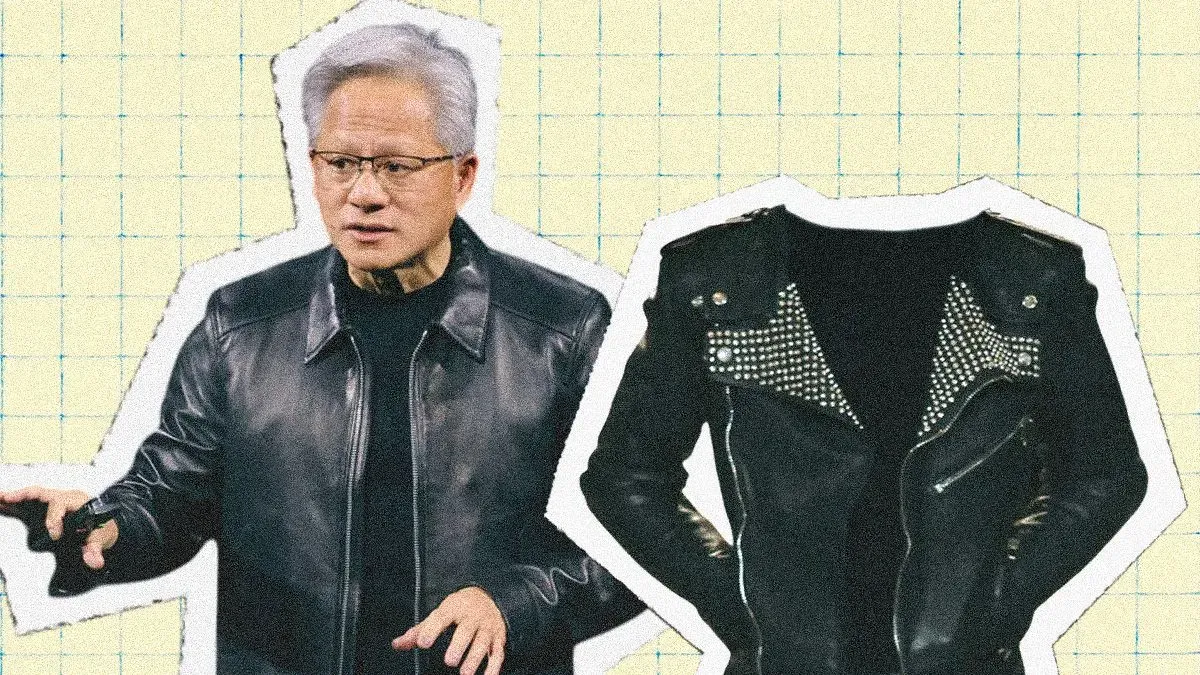
A post on social media showed Huang wearing a luxurious Saint Laurent jacket from Hedi Slimane's tenure, with the caption suggesting he'd worn it after admitting to an affair with a suspected Chinese spy. The images were later revealed to be fake.
The originals showed Huang wearing Dior at Seoul airport in June, while Vanity Fair confirmed that the AI-generated images had been created or altered using artificial intelligence technology.
The post was swiftly taken down, but not before it had spread like wildfire across the internet.
Designers such as Reese Cooper and Gerrit Jacob have spoken out against luxury retailer Ssense over its product imagery. The issue lies not in the garments themselves but in how they are misrepresented online, from distorted construction details to inaccurate branding.
The inaccuracies were not limited to a single incident or brand. In fact, they formed part of a larger trend that has seen AI-generated images become increasingly sophisticated. These images can convincingly depict both real and imaginary garments, often with devastating consequences for brands.
Fashion commentator Odunayo Ojo highlighted the issue in the context of online shopping, pointing out how subtle details can make all the difference between an authentic product and a convincing fake. For instance, Gerrit Jacob trousers were misrepresented with invented waistbands, additional seams, and altered lettering.
The problem lies not just with AI-generated images but also with the way they are often used to create plausible rather than precise depictions of products. As Ojo noted, "Generative models are built to make something that looks plausible, not something that's precise." This can lead to a blurring of lines between reality and fantasy.
A spokesperson for Ssense acknowledged the errors in their e-commerce imagery, stating that accurate representation of brands and their products is fundamental to their business. However, they stopped short of explicitly confirming whether AI technology was responsible for the inaccuracies.
The incidents surrounding Ssense's use of AI Virtual Try-On (VTON) technology have raised questions about the role of artificial intelligence in fashion content production. While VTON has the potential to revolutionize the way brands create and showcase their products, it also poses significant risks if not implemented carefully.
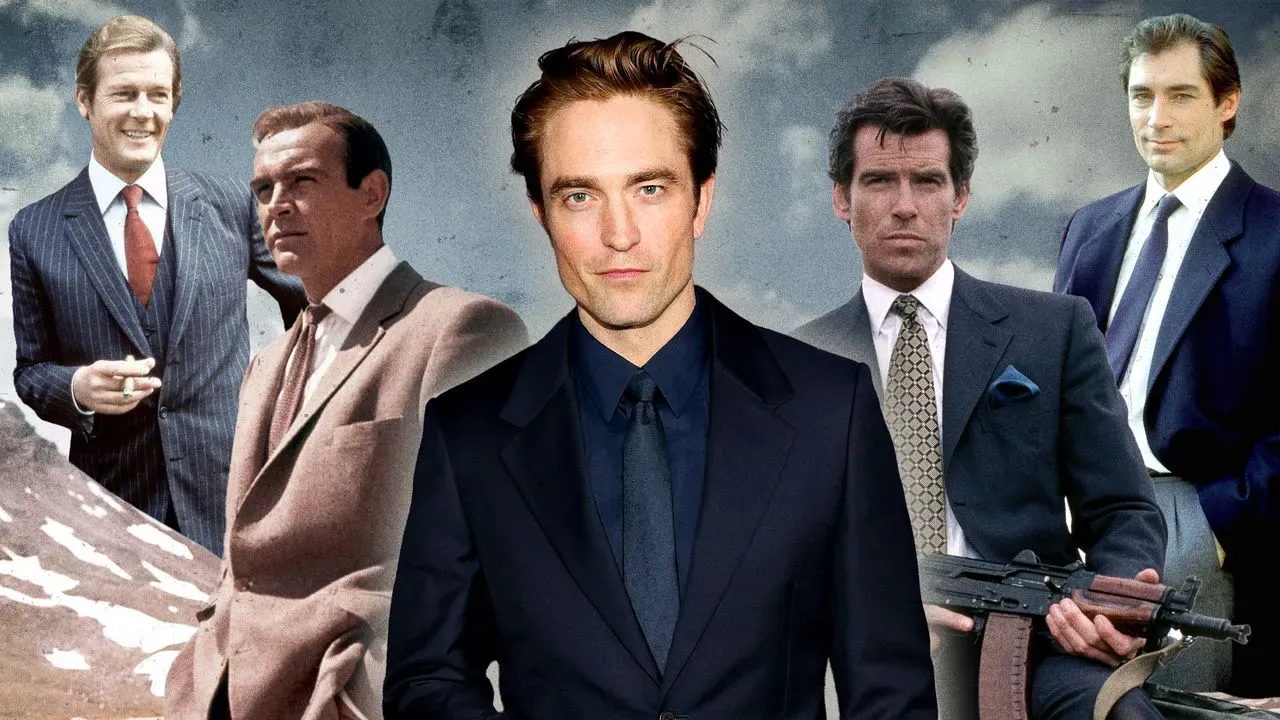
In recent months, there have been several high-profile incidents involving AI-generated images, including a fake Balenciaga campaign featuring celebrities such as Megan Fox and Robert Pattinson wearing cardboard shipping boxes.
The proliferation of AI-generated images has reached alarming levels in recent times, with several high-profile incidents leaving consumers confused about what's real and what's not. The latest example comes from the world of luxury watches, where a collaboration between Swatch and Audemars Piguet was touted as a major release.
However, instead of unveiling a Royal Oak wristwatch as fans had hoped, the brands introduced a collection of Bioceramic pocket watches that failed to live up to expectations. The discrepancy highlights the growing problem of AI-generated content, which has become increasingly sophisticated in recent years.
Experts say the ease with which AI images can be created is now a major concern, with many tools available for minimal cost or even free. This has led to a situation where anyone can produce highly realistic content without needing extensive knowledge of image optimization techniques.
According to Henry Ajder, a synthetic media expert and founder of Latent Space Advisory, the integration of AI tools into popular chatbots and the availability of open-source alternatives have made it easier than ever for fake images to circulate online. This has serious implications for brands that rely on their reputation and trademark recognition.
The fashion industry is particularly vulnerable to this trend, as high-quality content is abundant in the sector. Ajder notes that the industry's reliance on highly stylized imagery has provided a wealth of training data for AI tools, making it increasingly difficult to distinguish between real and fake images.
As brands experiment with AI-generated content themselves, they risk being caught out by unofficial campaigns that can now look almost indistinguishable from official advertising.
The proliferation of AI-generated images has left retailers grappling with the consequences of inaccurate product listings. Brands are now forced to remove these images from their websites, but in doing so, they risk losing sales altogether.
This is particularly true for luxury brands, where small design decisions and fit can greatly impact a garment's value. The details are often what set high-end fashion apart, and retailers judge brands on their attention to these nuances. As such, inaccurate listings can deter purchases or generate returns.
Experts argue that the problem lies in the wholesale contracts between designers and retailers. Many agreements fail to address AI-generated product imagery, leaving designers vulnerable to reputational harm when their products are misrepresented online. This issue is further complicated by the rise of non-commercial viral fakes, which circulate online without any intention to sell.
Luxury brands face a unique challenge in addressing these issues due to existing laws being more effective against commercial actors than non-commercial ones. The lack of clear remedies leaves luxury brands with limited options for tackling unauthorized imagery that includes their products, whether created by AI or not.
The blurred lines between authentic and fake images have led to concerns about trademark and false advertising claims, particularly when recognizable products or logos are involved.
In cases where an account uses a brand's identity for commercial purposes, such as selling services or promoting counterfeit goods, the calculation of potential harm changes.
For instance, the Balenciaga cardboard box images were linked to an account offering a course on creating viral AI visuals, blurring the lines between creative expression and unauthorized use.
According to Scafidi, luxury brands have long struggled with the imprecise nature of parody and "fair use under US law, which often makes it difficult to distinguish infringement from legitimate artistic expression.
As Daniel Shapiro notes, traditional monitoring tools that rely on logo detection are increasingly inadequate in today's digital landscape.
The increasing sophistication of AI-generated digital assets has blurred the lines between authenticity and forgery in the fashion industry.
This shift has made it more challenging for luxury brands to maintain control over their image, as traditional methods such as logo detection are becoming inadequate.
Consumers are becoming increasingly discerning, seeking out products with a human touch that conveys realness", a trend that is driving brands to return to craftsmanship and organic work.
As a result, the value of visual credibility has increased, making it essential for luxury brands to prove what's real in order to maintain customer trust.
Facts based on reporting originally published by Vogue.
You may republish this story, in full or in part, if you credit News Central Site and link to it (licence CC BY 4.0). Photos are not included.