Adam Friedland's Unconventional Booking Methods
Adam Friedland uses cold calls to book guests for his TV show, often making multiple attempts before securing an interview.
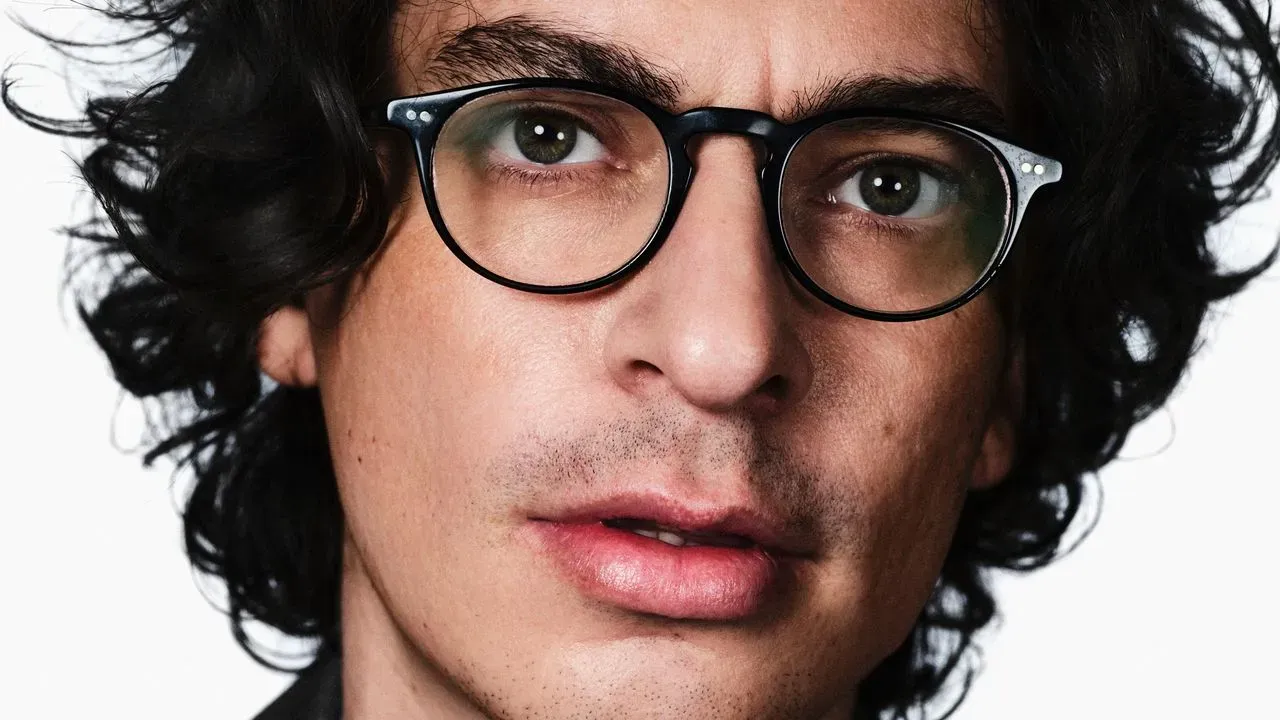
Adam Friedland is known for his unorthodox approach to booking guests for his TV show. In addition to being a talent on screen, he also plays a key role behind the scenes as the booker. This hybrid role requires him to be constantly connected and engaged with potential guests.
Friedland's method involves making cold calls to people in his industry, often multiple times until they agree to an interview. He acknowledges that this approach may not be well received by everyone, but it has proven effective for him.
In a conversation with our team, Friedland revealed that he frequently receives criticism from others who characterize his methods as intrusive and unwelcome. However, he remains unapologetic about his approach and its results.
One notable example of his persistence is when he wanted to interview journalist Olivia Nuzzi. He admits to calling her repeatedly until she finally agreed to the interview. Friedland believes that this type of direct communication can be more effective than other methods, such as sending pre-arranged texts or emails.
When preparing for interviews, Friedland relies on extensive research compiled by his staff and maps out a game plan in advance. He takes time to thoroughly understand the subject matter and potential angles he wants to explore during the conversation.
In some cases, Friedland is willing to put in extra effort, even going so far as to "go crazy on a particular topic for an extended period of time. This dedication allows him to develop a deeper understanding and connection with his subjects.
Friedland's approach extends beyond just booking guests. He also engages in other tasks such as refining material with collaborators or fiddling with puzzle pieces, all of which require direct communication and cannot be effectively handled through email.
As someone who is comfortable working long hours, Friedland often finds himself on the phone late at night, engaging in conversations that help him prepare for upcoming interviews. This dedication to his craft allows him to deliver high-quality content.
As Adam Friedland continues to push the boundaries of his show, he's aware that striking a balance between humor and substance is crucial.
Friedland has made it clear that when comedians delve into politics, they risk losing their comedic edge.
He's not opposed to exploring this territory entirely, but only if he can find something genuinely interesting or relevant to the cultural landscape.
For Friedland, preproduction is an ongoing process, and he's currently in the midst of researching and gathering information for upcoming episodes.
A recent episode featuring Gavin Newsom was a notable exception, where Friedland managed to balance humor with substance.
He acknowledges that this approach can be challenging, especially when dealing with high-profile guests who may have certain expectations.
Friedland's goal is to create an environment where his guests feel comfortable enough to open up and share their stories.
This requires extensive research and planning, often involving a team of researchers and a well-thought-out game plan.
Friedland approaches each guest as a puzzle to be solved, combining information gathered from various sources with insights from people he's spoken to.
When it comes to researching guests, Friedland's approach can be surprisingly straightforward. At times, he's been able to get a better understanding of his guests by looking beyond their public image. This is particularly true for individuals who have been subject to intense media scrutiny.
Friedland has found that people are often more complex and multifaceted than the way they're portrayed in the press. He believes that his show provides an opportunity to reveal a guest's genuine personality, rather than just reinforcing preconceptions. By doing so, he aims to create a more nuanced understanding of the people appearing on his program.
As part of his research process, Friedland compiles extensive files on each guest. These documents contain information gathered from various sources, as well as insights gained from conversations with people who know them. The goal is to create a comprehensive picture that can be used to craft engaging and informative interviews.
However, Friedland also takes into account the audience he's trying to reach. He recognizes that some topics may be too specialized or technical for a broad audience, so he strives to find ways to make complex ideas more accessible. By building connections between what his guests know and what ordinary people are familiar with, he aims to create a sense of shared understanding.
The time available for research can vary significantly depending on the guest's schedule. While some interviews may be rushed due to time constraints, Friedland prefers to have some leeway to delve deeper into the topics at hand. This is particularly true when dealing with more interesting or complex guests.
Friedland has developed a close working relationship with his researcher, who is tasked with gathering information from multiple sources. The researcher's attention to detail and ability to find relevant information are invaluable assets in creating comprehensive guest profiles.
The collaboration between Friedland and his researcher is a key aspect of the show's success. By combining their skills and expertise, they're able to craft engaging stories that reveal new insights into the people appearing on the program. This partnership also allows for a high level of creativity and flexibility during postproduction.
Friedland has developed a distinct approach to conducting interviews, which involves striking a balance between preparation and spontaneity. He believes that this blend of planning and improvisation is essential in creating compelling content. By combining his expertise with the skills of his researcher and editor, he's able to craft stories that are both informative and entertaining.
Friedland's experience working with guests like Alec Baldwin has taught him the importance of being adaptable and open-minded during research and interviews. By looking beyond surface-level impressions and exploring more nuanced aspects of a guest's personality, he aims to create a richer understanding of the people appearing on his show.
In order to maintain his high level of productivity, Adam Friedland has streamlined his life to focus on the most important tasks.
He spends most of his day at the studio, working alongside a small team of three individuals who share his vision.
Despite the demands of his job, Friedland tries to keep his personal and professional life separate, which he believes is essential for maintaining productivity.
Friedland's work schedule is not structured in traditional hours, but rather driven by deadlines that need to be met. This approach allows him to stay focused on his goals without worrying about what others think of his work.
Friedland's approach to work has been shaped by his past experiences, where he admits to being lazy for most of his life.
However, once he found a way to enjoy his job, he felt a strong desire to continue working hard and not revert back to his previous habits.
When asked about what it means to work forever," Friedland clarifies that it's not about putting in long hours without breaks, but rather being driven by a passion for his work.
Friedland's productivity is fueled by his ability to make phone calls to potential guests or sources, which he believes is an essential part of his job.
Friedland's unorthodox approach to getting information has raised eyebrows among his colleagues and industry professionals. They view his intrusive phone calls as an aggressive tactic that disregards people's boundaries.
The perception of Friedland's cold calling is often seen as overly confrontational, a characteristic commonly associated with 1990s Hollywood. However, he insists this method is essential to his job, allowing him to get the information he needs quickly and efficiently.
Friedland acknowledges that making phone calls can be perceived as intrusive or even violent in today's society. Yet, he remains unapologetic about his approach, suggesting that people who object are simply misinterpreting his intentions.
In contrast to phone calls, Friedland finds texting to be a time-consuming process that often fails to yield the desired results. He believes that making jokes and being lighthearted during conversations can actually help break the ice and facilitate more productive discussions.
Friedland's collaborative approach to production is evident in his willingness to surround himself with trusted colleagues who share his sense of humor. This camaraderie allows him to work effectively, even when dealing with sensitive or delicate topics.
The comedian credits Howard Stern as one of his interviewer idols, citing the radio host's ability to quickly build rapport with guests and make them feel at ease. Stern's skill lies in disarming even the most famous or intimidating individuals within a short period.
Friedland admires Dick Cavett's long-form interview style, which allowed viewers to see celebrities in a new light through extended conversations. This approach inspired Friedland's objective of creating a similar platform for his show.
Late-night talk shows often rely on formulaic interactions between hosts and guests, with awkward silences or awkwardly placed clips being common features. Friedland seeks to differentiate his show by fostering more natural and engaging conversations that allow viewers to connect with the people being interviewed.
The unstructured approach of Adam Friedland's show is a deliberate choice, allowing for more natural and engaging conversations that enable viewers to connect with his guests on a deeper level.
Friedland's interviews often lack a clear agenda or script, which can lead to unexpected moments and insights that might not be possible in more traditional settings. This approach requires a certain degree of flexibility and adaptability from both the host and the guest.
Despite its unstructured nature, Friedland's show still has a clear objective: to have substantive conversations with his guests. He believes that this framework allows him to find ways to fill in the gaps comedically, making the conversation more engaging for viewers.
As someone who has been doing comedy for a long time, Friedland is comfortable with being himself and doesn't try to put on a persona when interviewing people. This approach can be seen as annoying or intrusive by some, but it's simply how he interacts with others in real life.
Friedland's personal life often bleeds into his work, including the fact that his partner gets frustrated with him for working too much. He acknowledges this and has even joked about it on the show, showing a willingness to poke fun at himself.
Despite the challenges of running a small operation like Between Two Ferns, Friedland is determined to keep things going. With hundreds of people working behind-the-scenes on late-night talk shows, he's had to rely on his own resources and network to get by.
In the end, Friedland's approach to interviewing is all about being genuine and authentic, even if that means being a little rough around the edges. He's found success in this unorthodox style, but it's clear that he still has a lot to learn and discover along the way.
Facts based on reporting originally published by GQ.
You may republish this story, in full or in part, if you credit News Central Site and link to it (licence CC BY 4.0). Photos are not included.