Cosmetic Surgeons Report Rise in Patients Using AI-Generated Images for Facial Enhancements
The use of AI-generated images in cosmetic consultations is increasing, with patients bringing digital mock-ups to surgeons to discuss desired facial enhancements.
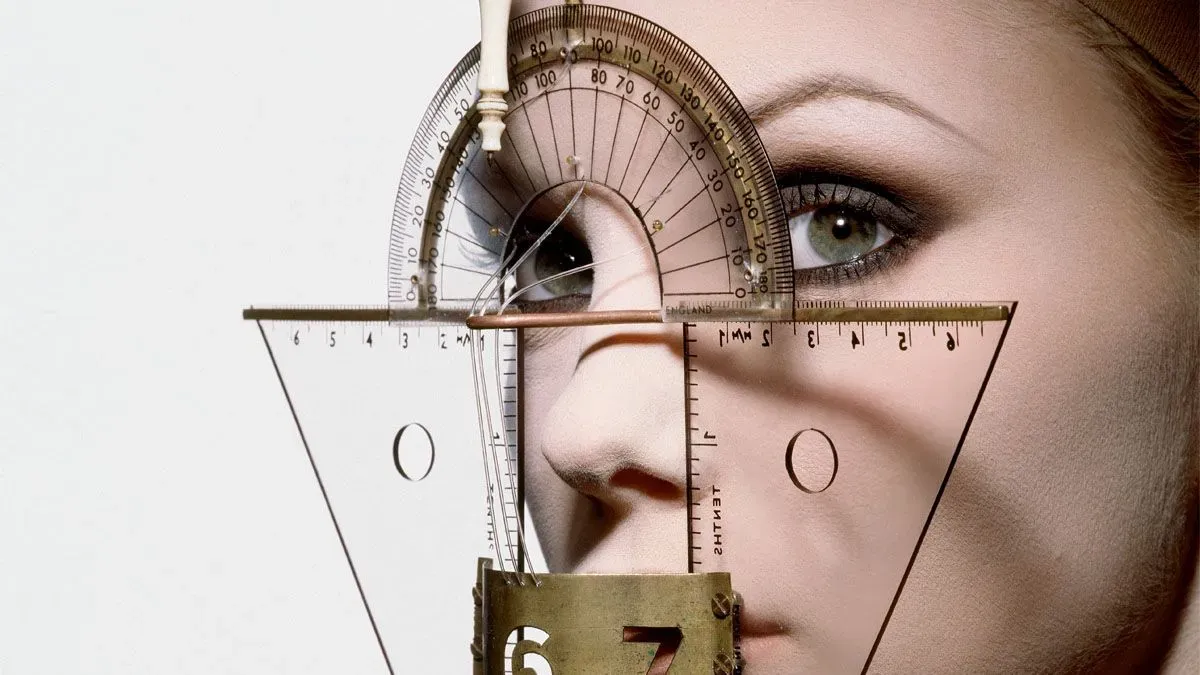
The era of hyper-filtered social media influencers may be giving way to a new obsession: AI-generated versions of our own faces. Cosmetic surgeons are reporting an increase in patients bringing digital images of themselves into consultations to discuss desired facial enhancements.
These digital mock-ups are not just any ordinary selfies, but rather highly detailed and realistic renderings created using advanced artificial intelligence technology. Surgeons say they're now being used as a blueprint for what constitutes a "perfect face, replacing celebrity images and heavily filtered social media photos.
A patient of Anil Joshi's, president of the British Society of Facial Plastic Surgeons, recently arrived at his clinic with an AI-generated image of their nose that bore little resemblance to previous discussions about rhinoplasty. This scenario highlights the challenges faced by aesthetic doctors in managing patients' expectations and ensuring their safety.
The rise of AI-generated images is also fueling a cottage industry of facial analysis tools that use AI-powered scans to evaluate users' appearances, identify perceived imperfections, and recommend changes to optimize their looks according to supposedly objective beauty standards.
As AI technology improves, it's becoming increasingly difficult for surgeons to distinguish between digital fantasy and surgical possibility. This blurring of lines is raising important questions about the impact of AI on our perception of beauty and the boundaries between technology and medicine.
The use of AI-generated images in cosmetic consultations is a relatively new phenomenon, and experts are still grappling with its implications. As this trend continues to evolve, it's clear that the world of aesthetics will never be the same again.
The trend of using AI to optimize one's appearance has taken on a life of its own, with several apps and services gaining significant traction in recent times. LooksMax AI and Umax are two examples that have been downloaded over 10 million times each on Google Play alone.
Another player in this space is Qoves, a facial analysis firm that offers educational videos dissecting celebrity features against supposedly scientific beauty standards to its three million social media followers. For a fee of $150 per year, Qoves provides personalized facial assessments using AI models combined with human analysis to score customers against over 160 facial markers.
The results are then used to create an improvement protocol, a step-by-step plan recommending changes to one's appearance, accompanied by AI-generated images visualizing the potential outcomes. This service has attracted a significant following, with Qoves now serving around 80,000 clients between the ages of 20 and late 50s.
Interestingly, Qoves also offers an upgrade for $180, which includes surgical recommendations tailored to each individual's needs. The demand for such services is not limited to Qoves alone, as the market for cosmetic surgery continues to grow at a rapid pace.
In the US, the American Society of Plastic Surgeons reported a 7% increase in cosmetic surgical procedures last year. Surgeons interviewed by Vogue Business attribute this surge to the increased time spent online and the constant exposure to idealized beauty standards through social media.
According to Dr. Brian J.F. Wong, a professor at the University of California, Irvine, people are now more critical of their appearance due to the constant bombardment of idealized images online. This shift from the mirror generation" to the "selfie generation has led to an increased demand for services that can help optimize one's appearance.
The rise of AI-generated beauty standards has led to an increased demand for services that help optimize one's appearance. In contrast to traditional Instagram filters, which modify existing photographs, generative AI can reconstruct facial features without respecting biological limitations.
Dr. Wong's research comparing AI-generated attractiveness scores with human judgements found a close alignment between the two. This may be due in part to AI models being trained on vast datasets reflecting existing human perceptions and biases around beauty.
However, this ease of creating idealized versions of oneself can distort expectations of what can realistically be achieved through surgery or other aesthetic treatments. Dr. Wong notes that AI is amplifying insecurities people already feel about their appearance.
The challenge facing aesthetic doctors is twofold: patients are arriving with digitally perfected versions of their own faces, which may depict changes that are anatomically impossible to achieve through surgery. These simulations often ignore individual anatomy and how tissue will scar and heal post-surgery.
Generative AI can reconstruct facial features without considering the limitations of the original face, making it effortless and convincing for patients. Dr. Anisha Kumar, a New York-based facial plastic surgeon, notes that these simulations cannot account for skin thickness, cartilage strength, bone structure, or how a face looks from different angles or in motion.
Dr. Kumar's work examines how AI facial analysis tools shape beauty standards and expectations of cosmetic surgery. She warns that patients may not appreciate the limitations of AI-generated simulations, which can lead to unrealistic expectations about what can be achieved through aesthetic treatments.
The use of AI-generated facial simulations in medical consultations has sparked concerns about unrealistic expectations among patients. To mitigate this issue, doctors are emphasizing the importance of clear communication and understanding treatment limitations. As one expert points out, even small differences in facial features can have a significant impact on appearance.
When patients bring AI-generated images to consultations, doctors should not dismiss them outright but rather use them as a starting point for discussion. This approach allows for a more meaningful conversation about aesthetic treatments and their potential outcomes. By framing the AI simulation as a communication tool, doctors can set clear expectations with their clients.
Doctors are calling for additional training to help surgeons understand how AI alters facial images and its anatomical limitations. This education is crucial in ensuring that patients receive informed consent and accurate information about treatment options. Furthermore, clearer industry guidelines are needed on how clinics communicate the scientific validity of AI-generated assessments and recommendations.
The increasing use of AI face has also raised concerns about patient safety, psychological well-being, and honest communication. Experts argue that there needs to be clearer guidance on applying fundamental principles such as informed consent, appropriate treatment, and honest communication to emerging AI technologies. This will help prevent potential pitfalls and ensure a safe and effective use of AI in medical consultations.
As the use of AI face continues to grow, it may accelerate the homogenization of beauty standards. This trend was already underway with the rise of the Instagram Face, characterized by prominent cheekbones, fuller lips, sharp jawlines, and lifted eyes. However, AI face favors similar features but with a subtler finish and an added emphasis on impossibly smooth, poreless skin.
The consequences of this homogenization could be far-reaching, pushing society toward an ever-narrower ideal of what it means to be attractive. As experts warn, the potential psychological effects of this trend should not be ignored, and efforts must be made to promote a more inclusive understanding of beauty standards.
The increasing use of artificial intelligence (AI) to create idealized facial features has raised concerns about the potential consequences on beauty standards and body image.
Dr. Kumar's research suggests that biases in AI training data can perpetuate narrow beauty ideals by favoring certain facial features over others, potentially leading to a homogenization of physical characteristics.
As AI-generated images become more prevalent, patients and surgeons may be steered towards uniform standards that view distinctive ethnic features as flaws to be corrected, according to Dr. Kumar's research.
Dr. Kumar is now studying whether AI-generated rhinoplasty simulations preserve or alter patients' ethnic characteristics, highlighting the need for greater transparency in the development of these tools.
The potential consequences of this trend extend beyond physical appearance, with some experts warning that it could influence how people perceive their own bodies and faces.
Psychologists caution that research into the effects of AI-generated imagery on mental health and body dysmorphia is still in its early stages, but initial findings suggest it may exacerbate existing appearance-related anxieties.
The proliferation of AI facial analysis apps has raised concerns about their impact on mental health and body image. Some experts warn that these tools could exacerbate societal pressures around appearance, leading to increased self-scrutiny.
Feminist objectification theory suggests that societal beauty standards can lead to chronic self-examination, and researchers fear that AI-generated images may intensify this cycle. Dr Nadia Craddock, a psychologist at the Centre of Appearance Research, notes that receiving optimization recommendations" from these apps can prompt individuals to scrutinize their appearance more closely.
Research indicates that people feel worse when comparing themselves to peers rather than celebrities. This is likely because peers represent a more attainable standard, one that individuals may feel they should strive for. The introduction of AI-generated images, which present an idealized version of oneself, could prove particularly problematic.
These idealized images can create unrealistic expectations and make normal features appear flawed in need of correction. Surgeons warn that this benchmark can lead people to view themselves as needing constant improvement. Dr Zamani emphasizes the distinction between wanting to look one's best and feeling compelled to correct every perceived imperfection.
The use of technology to dictate beauty standards raises concerns about the impact on human variation and individuality. Experts caution against allowing algorithms to determine what a face should look like, instead advocating for technology that supports clinical judgement and promotes healthy body image.
Facts based on reporting originally published by Vogue.
You may republish this story, in full or in part, if you credit News Central Site and link to it (licence CC BY 4.0). Photos are not included.