Middle East Tourism Sector Faces Test Amid Ongoing Conflicts
The region's tourism sector is facing an unprecedented test of its resilience as global conflicts rage on, with tourist arrivals plummeting due to airspace disruptions and travel executives scrambling to adapt.

As global conflicts rage on, the Middle East's tourism sector is facing an unprecedented test of its resilience. With multiple wars simmering across the region, every decision made by travel executives today must take into account the long-term implications when these conflicts finally subside.
The conventional wisdom in the travel industry over the past decade has been built around a set of assumptions that are now being challenged. It was expected that global aviation would continue to flow through Gulf hubs, drawing international travelers to the region again and again. Major events and attractions were poised to reap the rewards of this demand for years to come.
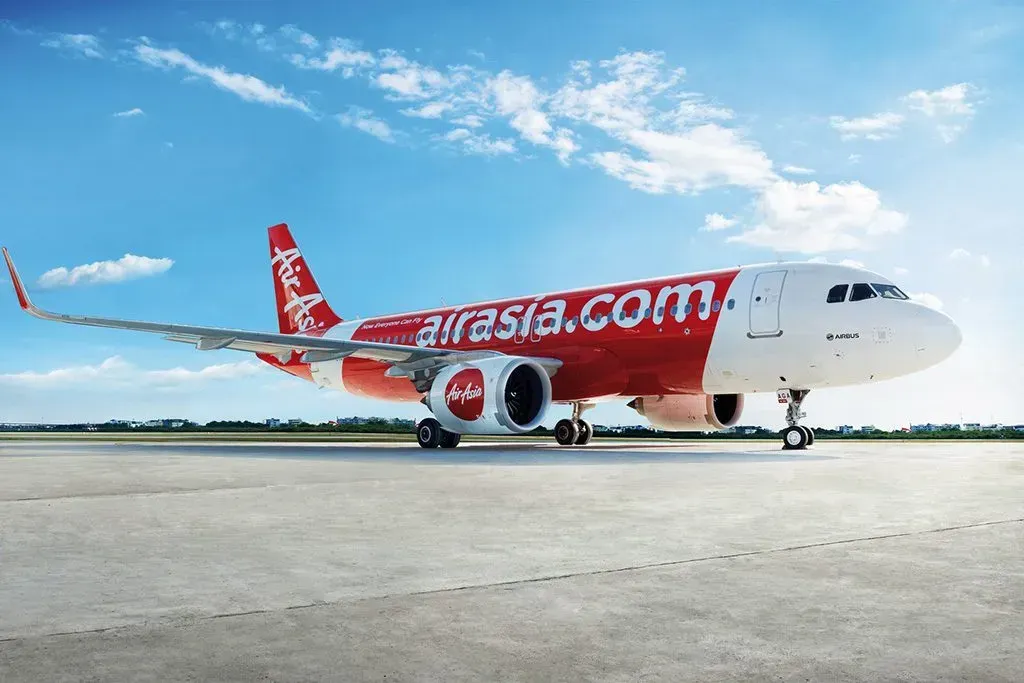
However, the ongoing conflicts have already begun to disrupt air travel patterns, forcing some airlines to suspend service due to airspace disruptions. As a result, tourist arrivals in the Middle East have plummeted, with hotels relying increasingly on domestic, regional, and short-haul travelers to stay afloat.
The growth vision for Gulf tourism, once hailed as ambitious and forward-thinking, now hangs precariously in the balance. Every destination and travel executive operating in the region is grappling with a difficult question: how much of 2026 will be lost due to temporary disruptions, and when must long-term strategies be rewritten?
The Gulf region's aviation strategy hinges on its ability to facilitate seamless connections for travelers, with Gulf carriers investing heavily in new aircraft, expanded airport capacities, and broader networks.
Despite these efforts, recent disruptions have given competitors a window of opportunity to poach traffic from the region, as demonstrated by Turkish Airlines' significant capacity cuts in the Middle East last year while increasing flights to East Asia instead.
The challenge for airlines and travel executives is to win back lost business while adapting to an operating environment that may be increasingly prone to disruption. This requires a nuanced understanding of changing traveler preferences and behaviors.
The hospitality industry in the Middle East has been rapidly expanding its construction pipeline to meet growing demand from travelers. By the end of the third quarter in 2026, a record-breaking total of 771 hotel projects were underway, representing an impressive 17% increase from the previous year.
Luxury and upscale hotels dominate this growth, accounting for nearly three-quarters of all new developments. This shift towards high-end accommodations reflects a changing landscape of traveler preferences, with more visitors seeking premium experiences.
As the Gulf region continues to expand its reach, Asia has emerged as a crucial partner in driving growth. With India serving as one of the largest source markets for travel to the region, and China's resurgence adding further momentum, Gulf operators are adapting their connectivity, products, and marketing strategies to cater to these changing dynamics.
The investment required to tap into this opportunity comes with its own set of challenges. India's aviation market is currently constrained by limited capacity, while Chinese demand can be volatile due to safety concerns and airline suspensions, leaving Gulf operators to weigh the risks of investing in Asian-market product and air access before near-term demand becomes more predictable.
Travelers are drawn to destinations that offer a mix of events, cultural attractions, and leisure activities throughout the year, creating a consistent flow of visitors.
Abu Dhabi's Formula 1 race week is a prime example of this strategy in action, with average daily hotel rates spiking to nearly $900 during the event. In contrast, off-peak periods see rates plummet to around $200.
The Gulf region is following Abu Dhabi's lead by investing heavily in museums, entertainment venues, and other attractions designed to keep visitors coming back year after year. These efforts aim to establish a stable baseline of demand between major events.
Gulf operators are also racing ahead with the adoption of artificial intelligence (AI) technology, which can streamline the travel booking process for consumers. AI-powered assistants can quickly narrow down options to a handful of personalized recommendations.
Travel companies in the Gulf region now face a critical decision: whether to leverage their early-adopter advantage to shape the development of AI-driven connectivity and customer services, or wait until proven volume drives industry standards elsewhere.
The Gulf region's unique position in the Middle East and North Africa makes it a hotbed for adoption of artificial intelligence in travel planning, with 70% of MENA travelers already leveraging AI tools to plan their trips.
This contrasts sharply with other markets, including North America, where AI adoption lags behind. As such, travel companies in the Gulf region are now facing critical decisions about how to leverage their early-adopter advantage and shape the development of AI-driven connectivity and customer services.
The industry's future growth is being shaped by these decisions, which include determining which traffic will return to airports, building hotels for actual travelers, investing in Asian demand, creating events and attractions that reinforce each other, and preparing for AI-driven changes in how travelers discover and book trips.
Facts based on reporting originally published by Skift.
You may republish this story, in full or in part, if you credit News Central Site and link to it (licence CC BY 4.0). Photos are not included.