AirAsia Posts Smaller Loss in Third Quarter
The airline posted a smaller loss of RM175 million ($43 million) in the quarter, about a third less than its second-quarter loss.
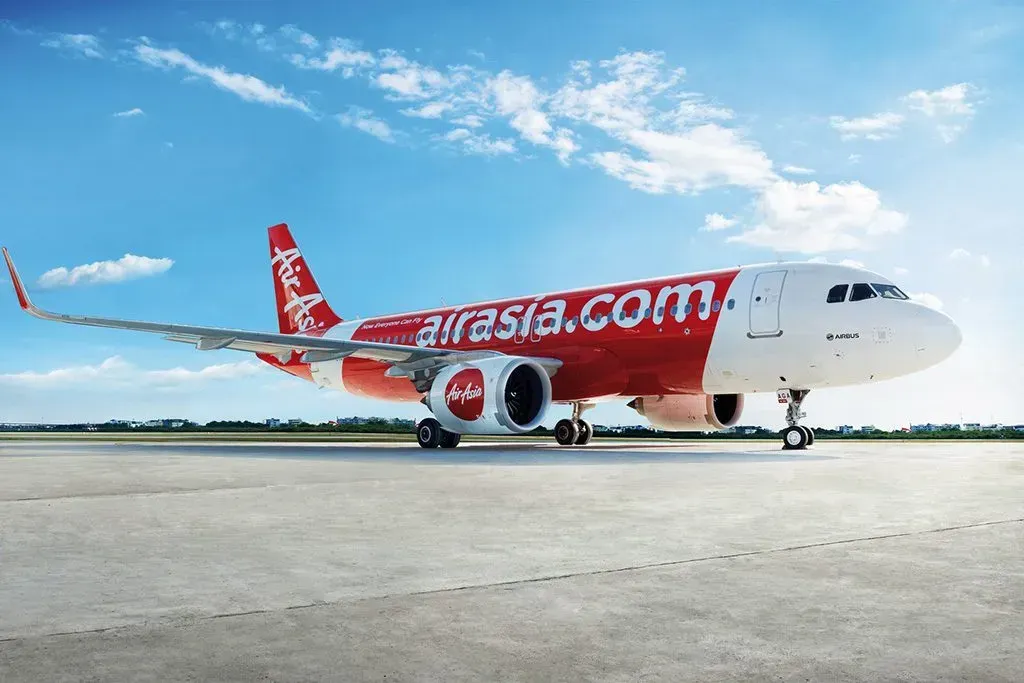
AirAsia's third-quarter results have brought some solace to investors, but they also highlight the challenges the airline faces as it seeks to revive its fortunes.
The listed company posted a smaller loss of RM175 million ($43 million) in the quarter, which is about a third less than its second-quarter loss. This improvement can be attributed largely to higher fares, which offset the increase in fuel costs following the easing of jet fuel prices from their peak in the previous quarter. Despite this, planes remained nearly as full as before, recouping some of the losses incurred earlier in the year due to soaring fuel prices.
The airline's revenue fell by 11% compared to the same period last year, and 8% from the second quarter. However, it is worth noting that the decline in revenue was largely mitigated by the increase in fares. AirAsia Group's loss after tax, including minority interests, stood at RM381.3 million ($93 million).
AirAsia CEO Bo Lingam expressed optimism about the airline's performance, stating "Our third quarter performance suggests that the worst is behind us." However, this sentiment is tempered by the reality that a smaller low-cost airline is an expensive one to run.
The airline still spends more on each seat than it earns from it, and its equity cushion remains thin. Shareholders' equity stands at RM362 million, which is a concern for investors. To address these issues, AirAsia needs to secure the refinancing it has been targeting.
AirAsia had initially hoped to conclude this refinancing in the fourth quarter or early December, but now expects it to happen in the first few months of 2027. This delay will likely keep the airline's balance sheet under pressure until then.
The airline's ability to turn a profit at its new size remains uncertain, and investors will be watching closely as AirAsia navigates this challenging period. The $1 billion debt financing that is expected to land soon will play a crucial role in determining when the airline can start its comeback.
AirAsia's third-quarter results have shed light on why the airline pushed its comeback plan to 2028. This comes as Thai Airways also reported a loss due to high fuel costs, but AirAsia is counting on lower jet fuel prices in 2027 to boost profits.
The airline's merger with its regional subsidiaries in January has given it a fresh start, allowing it to reprice fares and take advantage of higher demand. As a result, average ticket prices rose by nearly a quarter from the previous year, while the number of filled seats barely changed.
AirAsia took drastic measures to cut costs, suspending 76 routes that were heavily reliant on fuel, mainly international flights to India, China, and Australia. The airline's focus has shifted to domestic markets where demand remains strong, but this move has come at a cost, it has lost ground to rival Malaysia Airlines in the Malaysian-Indian market.
The airline's cost-cutting efforts have paid off so far, with higher fares covering the extra fuel bill. However, other costs such as staff expenses and airport charges are rising, eating into the gains made from higher ticket prices.
AirAsia is now waiting for a $1 billion debt financing to be finalized, which will play a crucial role in determining when the airline can start its comeback.
A mixed bag of results for AirAsia in Q3, as some markets failed to deliver what was expected. Malaysia and Cambodia proved profitable at the operating level, but Indonesia and the Philippines fared worse than last year. Thailand's performance was particularly weak, with losses exacerbated by currency fluctuations.
The airline industry is facing a significant challenge due to rising fuel costs. Even its regional competitors are struggling, with Cebu Pacific's management stating that making a profit this year seems unlikely. Thai Airways' finance chief has also warned of potential third-quarter losses becoming the new normal if current oil prices persist.
AirAsia is taking steps to mitigate its financial burden by retiring older aircraft from its fleet. This year alone, 25 planes will be handed back, and most are being returned early. The airline may even consider returning more jets in 2027, a move that will cut lease costs but limit future growth prospects.
The decision to retire some of its aircraft has raised concerns among analysts. Some argue that this strategy could slow AirAsia's eventual recovery, as new narrowbody delivery slots become scarce until around 2033.
Many of the planes that remain in service are grounded, with about 31% of AirAsia's main fleet of 234 aircraft out of commission at the end of September. This is largely due to scheduled maintenance and engine problems, rather than any major technical issues.
AirAsia's financial struggles continue to be a major concern as it navigates its recovery plans. The airline is working on securing up to $1 billion in debt financing, which will help alleviate some of the pressure on its balance sheet.
Talks with creditors are reportedly progressing, but the strain on AirAsia's finances has been evident for months. In September, Shukor Yusof from Endau Analytics raised concerns about the airline's financial resilience, citing its balance sheet and delayed rental payments. Fernandes has consistently denied reports of a government-backed contingency plan to support the airline.
Malaysia's transport and finance ministries are still in discussions with AirAsia, but for now, management is pinning its hopes on the year-end peak season. The airline plans to add capacity, restore some routes, and keep pushing fares higher, which it claims will be supported by forward bookings running in line with last year at elevated yields.
AirAsia's recovery plan hinges on new fuel-efficient jets arriving in 2028, which are expected to bring significant cost savings. For now, management is treating 2026 and 2027 as a "reset period, where the airline will consolidate its operations and prepare for the next phase of growth.
Fernandes has been candid about the challenges ahead, describing 2027 as a period of consolidation" where painful decisions on costs will be made. Expansion plans elsewhere are also on hold until conditions improve, with AirAsia's Bahrain hub now targeted to launch in March 2027, pending favorable developments in the Gulf region.
AirAsia's third-quarter performance has underscored Tony Fernandes' decision to push back its revival plans until 2028. The airline's earnings have been impacted by various challenges, including rising costs and reduced demand in key markets.
The impact of these difficulties can be seen in AirAsia's expansion plans, with several new routes put on hold. The company's hub in Bahrain, initially set for launch this year, is now expected to open in March 2027, pending a recovery in the Gulf region.
Facts based on reporting originally published by Skift.
You may republish this story, in full or in part, if you credit News Central Site and link to it (licence CC BY 4.0). Photos are not included.