Chemical Relaxer Use Among Black Women Sees Resurgence
The use of chemical relaxers among Black women has increased in recent years due to a desire for convenience and simplicity.
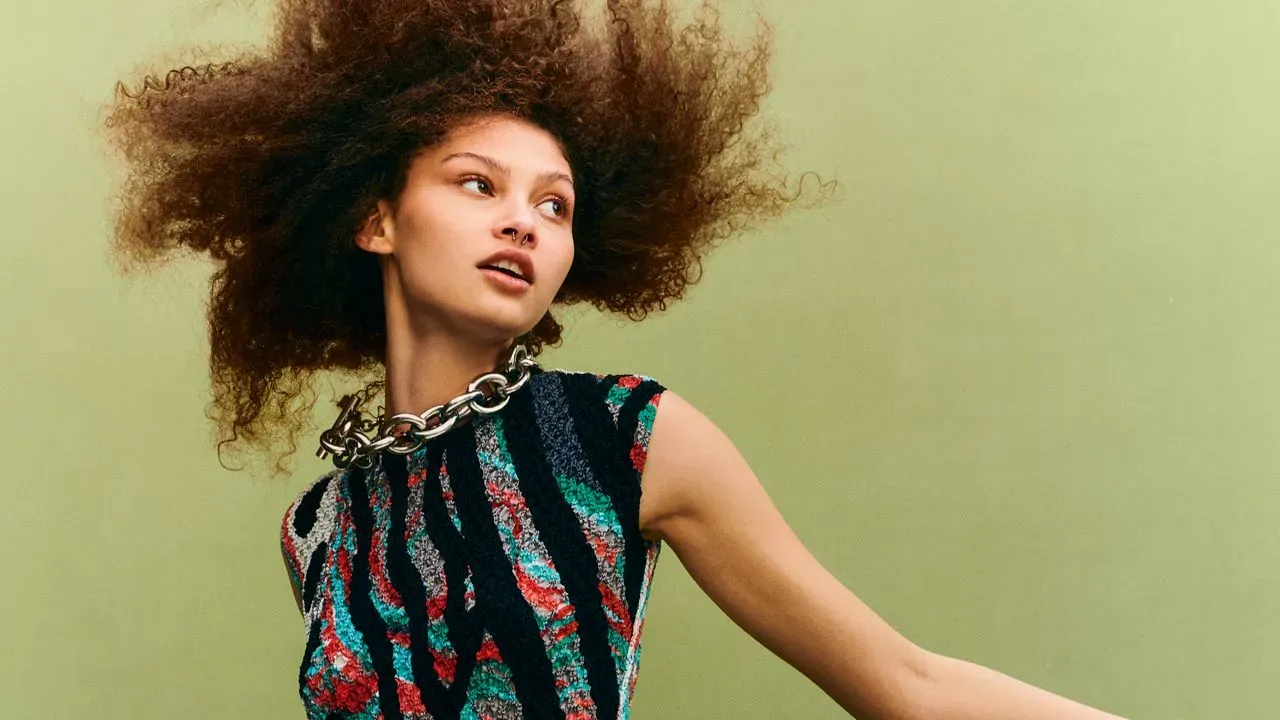
The use of chemical relaxers among Black women has seen a resurgence in recent years, after being largely abandoned for several decades.
Hairstylists are reporting an increase in clients requesting relaxers, particularly those who have grown tired of the time and effort required to maintain their natural hair texture.
Zateesha Barbour, a London-based celebrity hairstylist, notes that many of her clients are opting for relaxers due to simplicity rather than concern about health risks.
Barbour attributes this shift to a desire for convenience, with some clients expressing frustration over the perceived complexity of caring for naturally textured hair.
Many Black women have become exhausted by the demands of maintaining their natural hair, and are seeking a more straightforward solution in the form of chemical relaxers.
The resurgence of chemical hair relaxers among Black women is a complex issue that has been exacerbated by the lack of transparency from manufacturers about potential health risks.
A recent lawsuit filed by the State of Arizona against L'Oréal highlights concerns over the company's failure to adequately warn consumers about the potential dangers associated with some chemical hair relaxers, including links to uterine cancer and fibroids.
Research conducted in partnership with Shift Insight has shed light on the issues surrounding Afro-textured hair, revealing that 84% of respondents believe it is crucial to find hair products with trusted ingredients. Furthermore, a third of respondents reported experiencing physical health damage due to hair products.
The regulatory context governing chemical relaxers is also a key factor contributing to their continued availability in beauty shops and online. According to Dr. Sharon Belmo, leading dermatologist and hair loss specialist, relaxers sold in the UK are regulated as cosmetics rather than being subject to stricter controls.
Dr. Belmo also dispels common misconceptions surrounding alternative formulations, noting that lye-free relaxers can be just as harsh as their chemical counterparts, causing burns and weakening the hair.
Some black women are rethinking their natural hair and considering a return to relaxers, despite the growing trend towards embracing natural textures.
Celebrity hairstylist Andree Marie attributes this shift to various factors, including the revival of short '90s styles like the pixie cut. This trend has been seen on celebrities such as Zendaya, who have inspired many women to try out shorter hairstyles.
However, Marie also emphasizes that practical considerations play a significant role in some women's decision to go back to relaxers. For instance, she notes that hormonal shifts during menopause can change the texture and manageability of natural hair, making it harder for women to maintain their locks.
The experience of sweating out a silk press or restyling coiled hair after every workout is another practical concern that Marie cites as a reason why some black women are opting for relaxers. This issue is particularly relevant for those who regularly engage in intense physical activities.
The use of relaxers among Black women is a complex issue, influenced by both personal preference and societal pressures.
While some may view the return to chemically straightened hair as a rejection of natural texture or a response to Eurocentric beauty standards, others see it as a matter of personal autonomy.
Research suggests that many Black women who choose to wear their hair in its natural state face significant challenges at work, with 76% reporting negative bias and 64% saying it has limited their career progression.
The issue is further complicated by the influence of social media, where platforms like TikTok have given rise to #RelaxerTok, attracting hundreds of millions of views.
Hairstylists are also grappling with the implications of relaxers, with some choosing to step away from chemical processing altogether in favor of healthy, chemical-free styling practices.
The use of chemical relaxers has been a long-standing practice among Black women, often touted as a practical solution for managing unruly hair.
However, advances in technology have led to a shift in perspective, with some women reconsidering their decision to relax their hair.
For many women, the choice to relax is deeply personal and influenced by various factors, including health concerns.
Some individuals, such as those who have suffered from fibroids, may be more inclined to explore alternative styling options due to potential links between chemical relaxers and certain health issues.
The scalp, hair shaft, and follicle are all impacted by the use of chemical relaxers, which break down disulfide bonds through a process called lanthionisation.
The decision to use chemical relaxers has long been a contentious issue for Black women, with many weighing up personal convenience against potential health risks.
Some hair professionals recommend certain precautions when using relaxers, such as having them applied by a professional, reducing the frequency of touch-ups, and treating only new-growth areas.
However, others argue that these measures are insufficient to mitigate the damage caused by chemical relaxers, which can break down disulfide bonds in the hair shaft, leading to a range of health problems.
The social factors influencing Black women's choices about their hair cannot be ignored, with many facing workplace discrimination and pressure from systemic forces.
Facts based on reporting originally published by Vogue.
You may republish this story, in full or in part, if you credit News Central Site and link to it (licence CC BY 4.0). Photos are not included.