Luxury hotels offer hands-on culinary experiences to guests
Travelers at these establishments can engage in activities such as foraging, fishing, and hunting to reconnect with food sources and cultures.
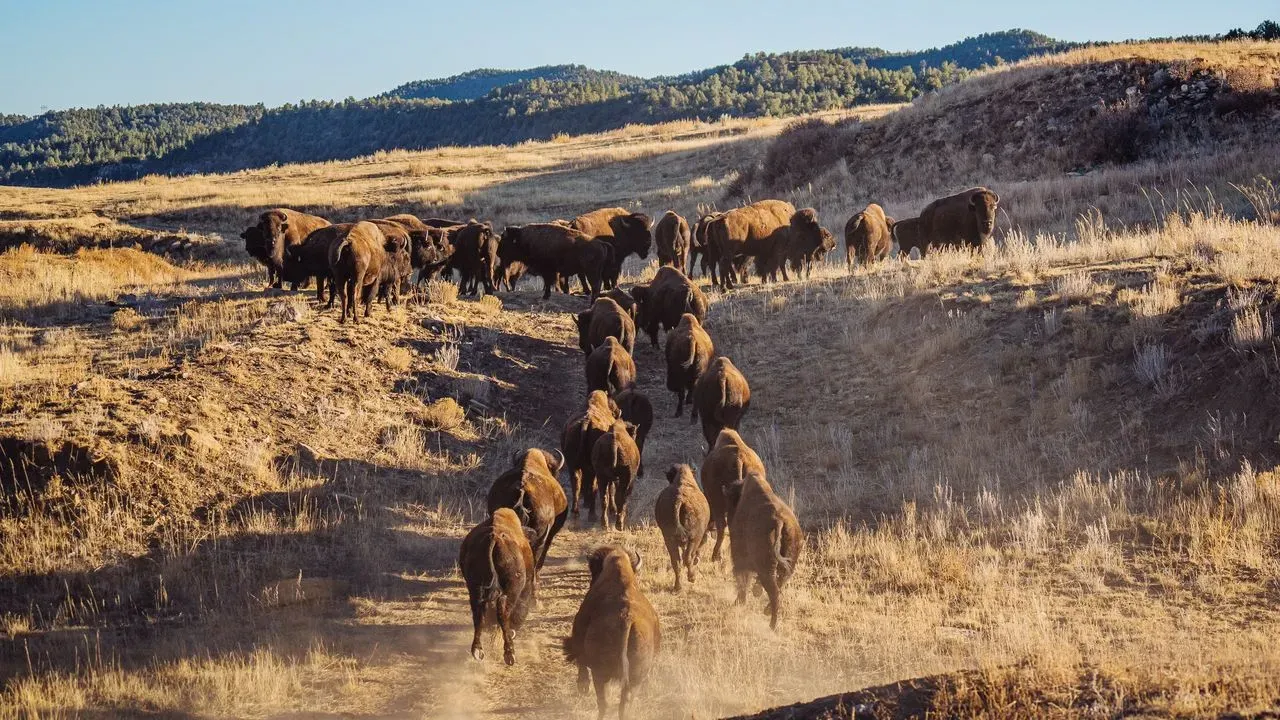
Luxury hotels are evolving to offer unique culinary experiences that blur the lines between guest and participant.
Some establishments now encourage guests to get hands-on in the kitchen or outdoors, engaging in activities such as foraging, fishing, and hunting.
These immersive experiences aim to reconnect travelers with their food sources and the cultures behind them.
At some of the world's most exclusive hotels, staff are shifting from traditional service roles to teaching guests old-world skills like hunting and fishing.
This trend is driven by a growing desire among travelers to learn about the origins and preparation of their meals.
Travelers are increasingly seeking hands-on experiences that allow them to connect with their surroundings and contribute to the preparation of their meals.
This trend is driven by a desire for authenticity and immersion, rather than just enjoying a exceptional supper.
People are willing to pay for experiences like milking cows or harvesting fresh produce because they want to be involved in the process, not just consume the end product.
By doing so, travelers can gain a deeper appreciation for the food they eat and the people who prepare it.
For many, this desire for hands-on involvement is rooted in the freedom that travel provides. Clare Sammells, an associate professor of anthropology at Bucknell University, notes that travel allows individuals to try new things outside their daily routine.
In a new environment, travelers feel liberated from their usual responsibilities and can focus on exploring and learning about their surroundings.
As a result, activities like fishing, foraging, or even hunting are becoming more appealing as vacation pursuits.
As people become increasingly interested in where their food comes from, they're seeking out more immersive and hands-on experiences during their vacations.
This trend is driven by a desire to reconnect with nature and understand the origin of the food on their plates, rather than simply relying on factory-farmed or industrially produced products.
Many travelers are now opting for activities like fishing, foraging, and hunting as part of their vacation itineraries, allowing them to get closer to the land and the food they eat.
Inns, outfitters, and chefs from around the world are catering to this demand by offering unique experiences that combine adventure with a deeper connection to nature.
Vermejo, Ted Turner Reserve's vast wildlife reserve in New Mexico, has undergone a transformation from a traditional hunting lodge to an upscale destination offering diverse activities.
The 558,000-acre reserve now features bison safaris, snowtubing, and spa treatments alongside traditional hunting and fishing trips. Travelers can opt for guided excursions where they can hunt or fish while enjoying the comforts of a plush bed and expert culinary guidance.
A talented chef will not only teach guests how to prepare their catch but also pair it with the perfect accompaniments. Moreover, conservationists are on hand to explain the crucial role that hunting plays in maintaining biodiversity and conservation efforts.
Indigenous communities across North America have long practiced sustainable hunting, fishing, and foraging as an integral part of their daily lives. Travelers can now respectfully connect with this ancient knowledge by staying at Indigenous-owned lodges like Wahous Wilderness Lodge in British Columbia's Clayoquot Sound, which offers fishing experiences and a "tide-to-table" culinary philosophy.
Independent foraging guides are emerging to cater to the growing interest in wild edibles, providing travelers with expert guidance on foraging for local delicacies. This trend is not limited to lodges and restaurants; it extends to Indigenous-focused eateries that aim to revive Native American foodways in regions such as Oaxaca and Minneapolis.
Hotels and restaurants are not the only ones capitalizing on this trend. Independent foraging guides are increasingly popular, offering travelers the chance to forage for local ingredients with the guidance of experts. This growing interest in wild edibles is allowing people to connect with nature in a more meaningful way.
As people become increasingly interested in wild edibles, they're looking to immerse themselves in hands-on outdoor experiences that connect them with nature.
Niche social media influencers and YouTube personalities are leading the way, showcasing activities like crab snaring in coastal areas, spearfishing off the California coast, and quail hunting in desert landscapes. These online personalities have made it easier for enthusiasts to discover new ways of engaging with the outdoors.
Nick Weston, founder of Hunt Gather Cook, has been introducing city-dwellers from London to the basics of wild food gathering on his estate in Sussex since 2011. His butchering courses and live-fire feasts are highly sought after, selling out quickly.
Wild food enthusiasts don't need to travel far or engage in extreme activities to experience nature's bounty. Alexis Nikole Nelson, a popular forager with millions of followers online, shares recipes and techniques for using common wild foods like acorns, pine shortbread cookies, and milkweed buds.
The North Fork of Long Island's Lin Beach House offers a more relaxed approach to vacationing, where guests are encouraged to participate in activities like fishing and foraging. The contemporary six-room Victorian, run by a married couple who also own Matchbook Distillery, invites visitors to engage with the natural surroundings through hands-on experiences.
Guests can help with tasks such as pulling fish from nets, cutting herbs, and blending gin, according to the property's website. Activities like pickling, clamming, and preserving are also part of the experience. The couple practices sustainable fishing methods, including pound trap fishing, which minimizes bycatch, allowing for a variety of species like pufferfish, porgy, and mackerel to be caught responsibly.
Facts based on reporting originally published by Conde Nast Traveler.
You may republish this story, in full or in part, if you credit News Central Site and link to it (licence CC BY 4.0). Photos are not included.