EU-ETS1 CO2 Emissions Projected to Remain Substantial by 2040
A new study suggests that current EU-ETS1 policies may not be enough to significantly reduce CO2 emissions in the coming decades.
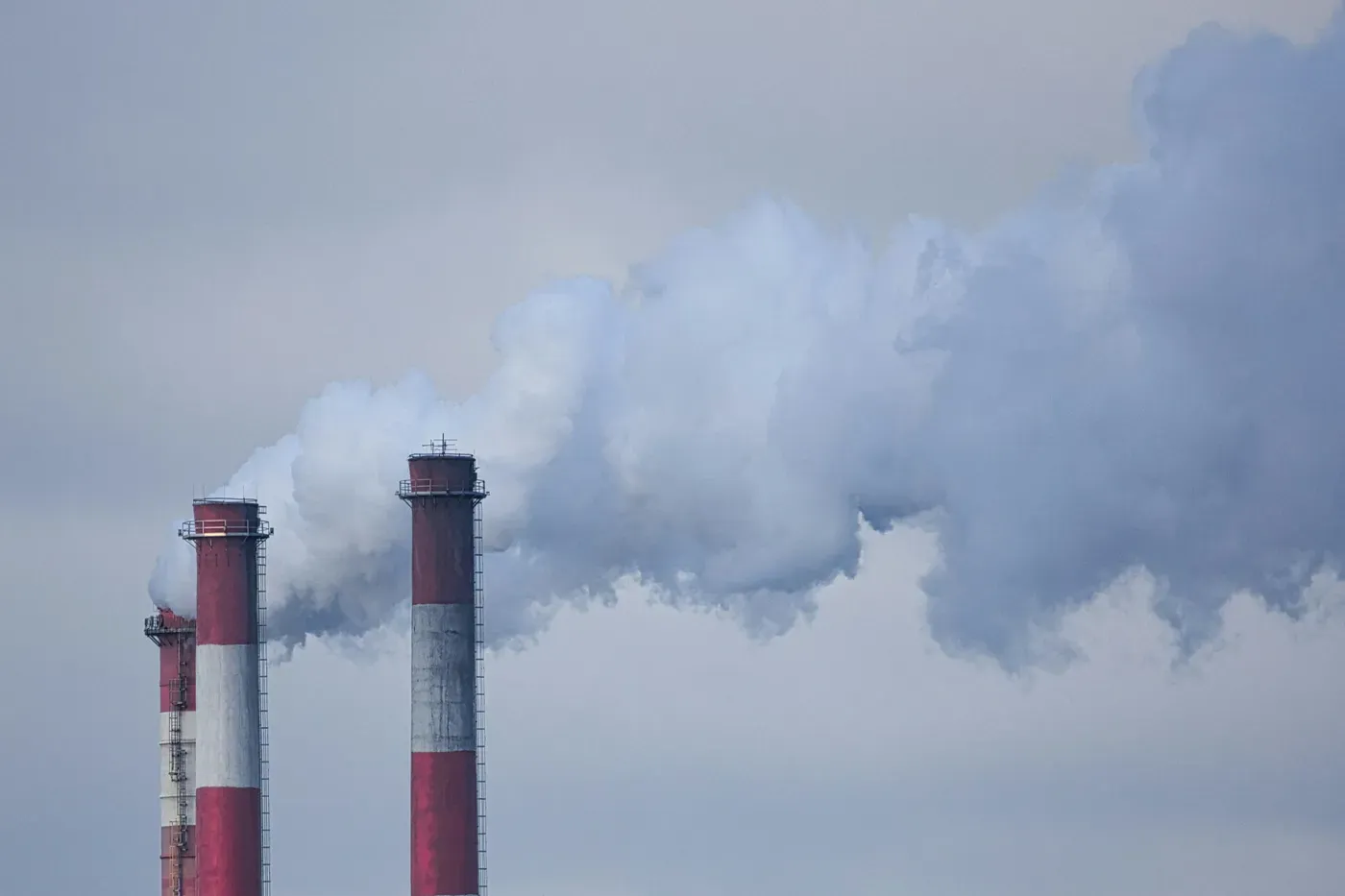
A new study by the Oeko-Institut has shed light on the extent of residual CO₂ emissions under the EU Emissions Trading System (EU-ETS1) in 2040 and 2050. The research, commissioned by Carbon Market Watch, reveals that current CO₂ emissions covered by the EU-ETS1 could be significantly reduced by 2040.
According to the study's findings, installations covered by the EU-ETS1, including waste incineration, are still expected to emit substantial amounts of CO₂ in 2040. The estimated range for these emissions is between 159 and 231 million metric tons of CO₂. This figure highlights the considerable challenge that remains in reducing greenhouse gas emissions under the EU's current policies.
While a large portion of these emissions could be avoided using existing technologies, some residual emissions are likely to persist due to limitations in today's technology outlook. The study suggests that a significant share of residual emissions can be attributed to the time required for transitioning to climate-friendly technologies and developing necessary infrastructure.
The study highlights that a significant portion of residual emissions could be avoided through targeted support for industrial transformation.
However, several factors contribute to emissions remaining in 2040, including limited capacity for transporting and storing CO2, slow rollout of infrastructure for hydrogen derivatives, and restricted availability of these energy carriers and feedstocks.
Researchers emphasize the importance of access to low-cost renewable electricity, sustained innovation, and well-developed infrastructure in reducing avoidable emissions.
The study's findings suggest that residual emissions in 2040 could be significantly lower than previously anticipated, with levels potentially reaching only around half of the proposed emissions cap by the European Commission under the EU Emissions Trading System.
Industry experts stress that policymakers can set ambitious caps to drive progress toward phasing out fossil fuels and achieving European climate targets.
The majority of long-term residual emissions are expected to come from specific sectors, including waste incineration, cement and lime production, metal production, and the glass and ceramics industries.
The European Union's goal of climate neutrality by 2050 relies heavily on reducing long-term residual emissions to a minimum. This is crucial because removing an equivalent amount of CO₂ from the atmosphere would be necessary to balance out these remaining emissions.
To minimize the economic and environmental costs associated with carbon dioxide removal, it is essential that efforts are made to reduce long-term residual emissions as much as possible in sectors like waste incineration, cement production, metal manufacturing, and glassmaking.
Facts based on reporting originally published by Phys.org.
You may republish this story, in full or in part, if you credit News Central Site and link to it (licence CC BY 4.0). Photos are not included.