Pentagon Faces Pressure for Reform Amid Defense Tech Boom
The Pentagon is struggling to keep up with a surge in investment and innovation in defense technology, prompting calls for drastic reform.

As AI-enabled drones continue to revolutionize modern warfare in Ukraine and Iran, defense tech leaders are sounding the alarm about the Pentagon's need for drastic reform.
Tyler Sweatt, CEO of Second Front Systems, warned that failure to adapt will have catastrophic consequences, with a "growing realization" that inaction will be "existential in the near future". This stark warning came at the Fortune 500 Innovation Forum, where Sweatt discussed the pressing need for change with Fortune's Allie Garfinkle.
Despite a surge of investment in defense tech, the Pentagon has not kept pace, and investors are growing impatient. With venture money pouring in at record levels, pressure is mounting on defense tech companies to deliver results, leading Sweatt to predict that consolidation will be the next major trend in the industry.
In fact, Shield AI, an autonomous weapon developer, has already begun this process, announcing plans to raise $2.5 billion to support its acquisition of Echodyne, a radar systems company, for a total value of $5.3 billion. This massive deal is just one example of the consolidation that Sweatt believes will sweep through the industry in the next six months.
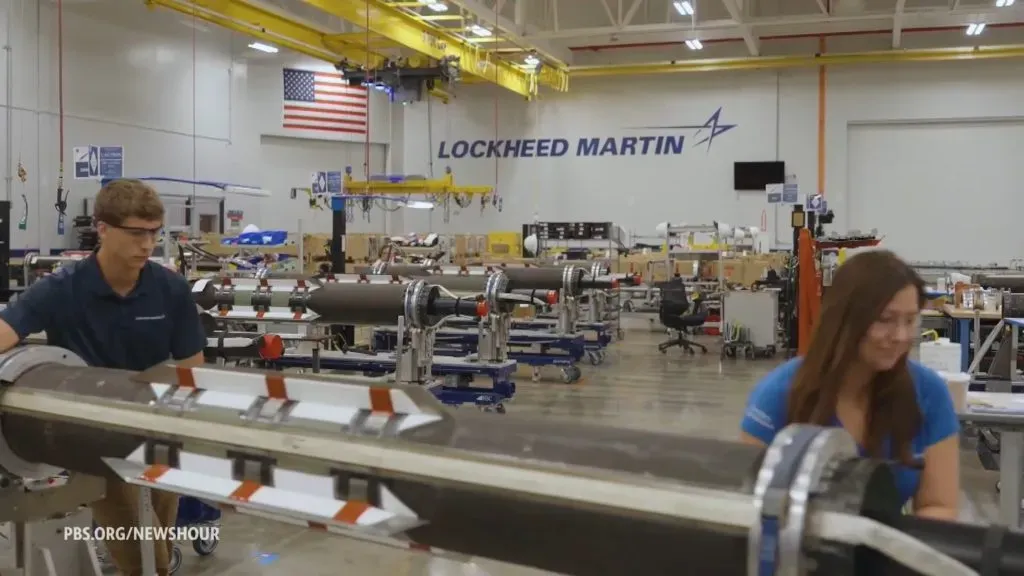
The Pentagon's slow and cumbersome approval processes, combined with outdated technology production lines, are major obstacles to getting new tech into the hands of troops quickly enough. Sweatt described the organization as an "Industrial Age entity stuck in a bygone era, plagued by big long bureaucracies.
The Pentagon's weapon acquisition programs are facing severe delays, with an average time of over 12 years to deliver a capability, according to a Government Accountability Office report published in July.
This prolonged timeframe is attributed to the organization's outdated bureaucracy, which hinders innovation and efficiency. In contrast, companies like Shield are pushing the boundaries of defense technology by developing autonomous systems that can fly alongside human-piloted aircraft using advanced software such as Hivemind.
Shield's autonomous fighter jet is designed to be developed at an unprecedented pace, with the company expecting it to take less than two years from conception to first flight. This is a remarkable feat compared to the 23-year development cycle of Lockheed Martin's F-35, which started in 2001 and took until 2011 to fly.
Shield's autonomous design allows for faster testing and iteration, as it eliminates the risk of endangering pilots during the development process. In fact, the company's Hivemind software has already demonstrated its capabilities in separate tests last month, successfully executing directions from a F-22 pilot and coordinating multiple uncrewed aircrafts called CCAs.
The defense tech industry is witnessing significant investment growth, with venture capitalists pouring record amounts of money into the sector. According to Pitchbook data, $37.9 billion was deployed across 269 deals in Q3 2026, representing a 117.5% quarter-over-quarter increase.
The influx of funding into the defense technology sector has brought about significant changes in just a short period. According to CEO Steele, defense tech was previously considered a niche market, akin to the adult entertainment or gambling industries. However, with billions being poured into this space, it is now viewed as a rapidly growing and lucrative field.
The increased investment is not solely driven by U.S. government spending, but also by other countries that are boosting their defense budgets. As a result, companies like Shield have seen their valuations skyrocket, from $12.7 billion in March to an astonishing $28.8 billion. Meanwhile, Anduril's valuation stands at a staggering $61 billion.
Despite the surge in funding and valuations, there is still a significant lag between investment in defense tech and its actual implementation on the battlefield. As Sweatt pointed out, it can take time for new technologies to trickle down from development to deployment. This delay may put pressure on companies to justify their high valuations, with some even warning of a potential bubble" in the sector.
Facts based on reporting originally published by Fortune.
You may republish this story, in full or in part, if you credit News Central Site and link to it (licence CC BY 4.0). Photos are not included.