Flu season has officially begun with respiratory illnesses spreading rapidly
The changing temperatures and increased close contact during holiday gatherings have led to a surge in respiratory infections, according to Dr. Waleed Javaid, an epidemiologist and professor of medicine at West Virginia University.
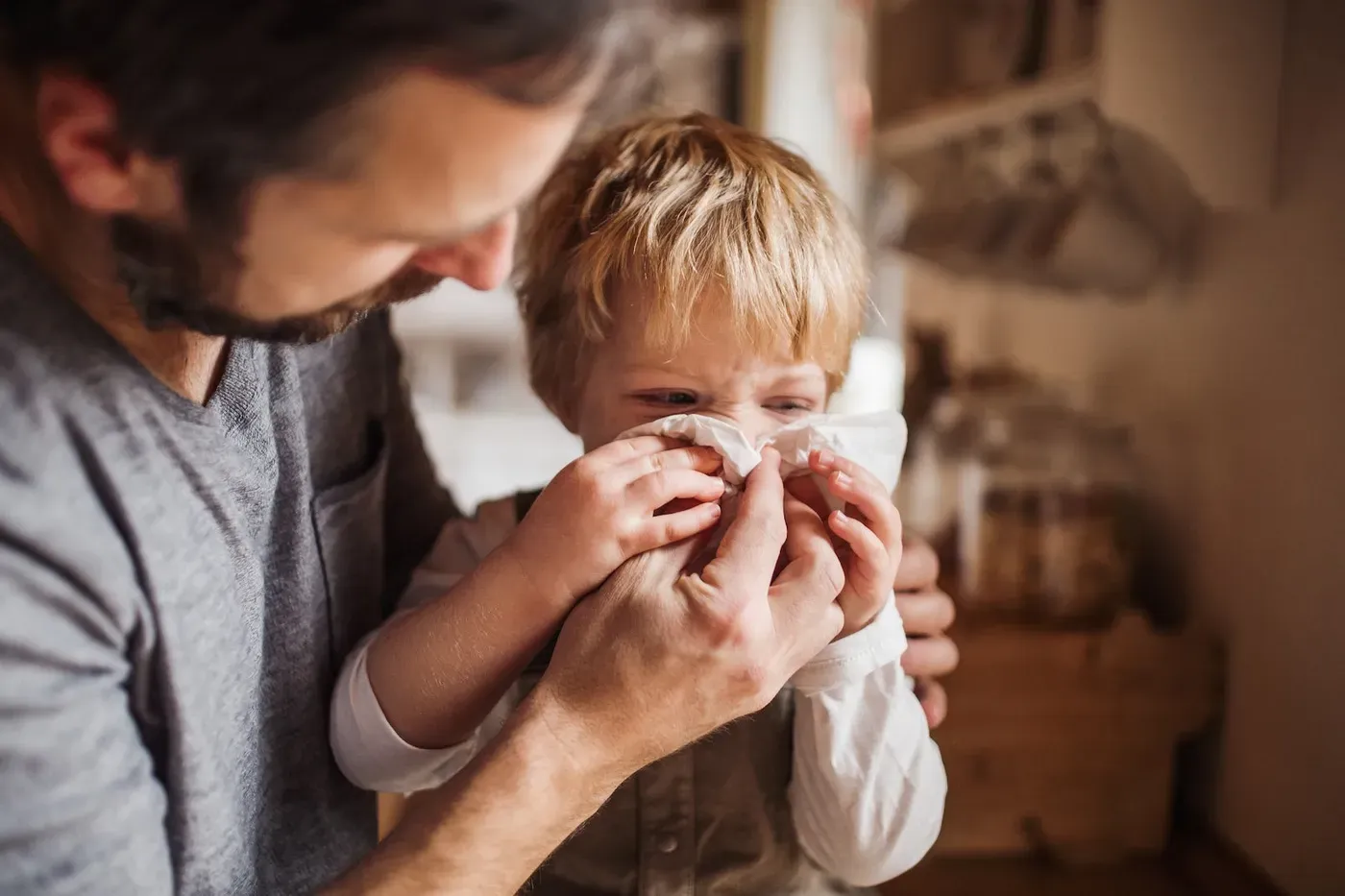
Flu season has officially begun, with respiratory illnesses like COVID-19, influenza and RSV spreading rapidly.
The changing temperatures and increased close contact during holiday gatherings have led to a surge in respiratory infections, according to Dr. Waleed Javaid, an epidemiologist and professor of medicine at West Virginia University.
As the colder months approach, people are more likely to be indoors, where germs can spread easily, making it crucial for travelers to take precautions against illness.
Dr. Taz Bhatia, a board-certified integrative medicine physician and medical adviser to Genexa, notes that COVID-19 taught us the importance of hand hygiene and boosting immunity through lifestyle practices.
Many precautions taken during the pandemic, such as frequent handwashing and maintaining good hygiene, can help protect against seasonal influenza, according to Healthline.
Travelers should be aware of the risks associated with flu season and take steps to prevent illness, especially when interacting with others in crowded public spaces.
The flu season has officially begun, and travelers should be aware of the risks associated with it. One way to minimize this risk is by wearing a mask on flights.
A 2020 study conducted by the U.S. Department of Defense found that the transmission of COVID-19 on planes was "extremely unlikely when masks were worn. This suggests that wearing a mask can also help protect against other respiratory viruses, such as influenza, which are airborne and can be transmitted through the air.
The Centers for Disease Control and Prevention recommend using masks for travelers who are already sick, with fever or respiratory symptoms, to reduce the spread of germs. They also advise people sitting near someone with these symptoms to wear a mask if the patient cannot tolerate wearing one themselves.
Good hand hygiene is crucial when traveling, especially in crowded areas where illness can easily spread. Dr. Nicholas Testa, California regional chief medical officer at CommonSpirit Health, emphasizes the importance of washing hands regularly.
To maintain good hand hygiene while traveling, it's recommended to use either soap and water or an alcohol-based hand sanitizer that contains at least 60% alcohol. This is especially important when soap and water are not available.
The Centers for Disease Control and Prevention consider hand washing to be the single most important infection control measure." By following these simple steps, travelers can reduce their risk of getting sick on a plane.
A crucial aspect of staying healthy on a plane is avoiding contact with germy surfaces in airplane bathrooms. According to Dr. Marina Gafanovich, a primary care physician based in New York, it's essential to minimize interactions with these high-touch areas.
Before boarding a short flight, make a quick trip to the bathroom to avoid waiting until the flight takes off, when many passengers will be using the facilities at the same time. It's also wise to use paper towels when touching toilet seats, faucets, or door latches, as research has shown that these surfaces can harbor significant amounts of germs.
The dry air inside an airplane cabin poses another risk to travelers' health. With humidity levels typically ranging from 10% to 20%, the mucous membranes in our noses and airways become more vulnerable to viruses and bacteria. Staying hydrated is crucial to maintaining a healthy respiratory system.
Dr. Nate Favini, chief medical officer at Pair Team, recommends bringing an own bottle of water on board and drinking at least eight ounces per hour of flight time to maintain hydration levels. It's also worth avoiding alcohol and caffeine, which can exacerbate dehydration.
Airplane surfaces are breeding grounds for germs, particularly high-touch areas that come into contact with many passengers' hands. The flu virus can survive on hard surfaces for up to 24 hours, making it essential to take precautions when interacting with these areas.
When using a tray table or storing items in the seatback pocket, be aware of the potential germ risk and take measures to minimize exposure. Carrying sanitary wipes can help keep high-touch surfaces clean, but it's also wise to avoid using these areas altogether if possible.
When it comes to avoiding germs on a plane, it's essential to pay attention to often-overlooked areas like overhead air vents and seat belt buckles. These surfaces can harbor bacteria and viruses, making them a breeding ground for illness.
To stay safe, consider carrying hand sanitizing wipes with you on your next flight. Brands like Purell are well-known for their effectiveness in killing germs, or you may prefer travel-specific wipes designed to be compact and portable. For an alternative, try using Dr. Bronner's organic hand sanitizer spray in TSA-friendly bottles.
Regardless of how clean your hands are, it's crucial to resist the urge to touch your face. Even if your skin appears spotless, introducing germs from contaminated surfaces into your body can still lead to illness.
According to Florida-based internist Dr. Frank Contacessa, getting into the habit of avoiding facial contact is a simple yet effective way to prevent getting sick. He advises never touching your nose, mouth, or eyes unless you've just washed your hands thoroughly.
For those who struggle with resisting the urge to touch their face, consider wearing gloves as a reminder to keep your hands away from sensitive areas. Dr. Julie Fischer notes that gloves can make individuals more aware of their actions and serve as a protective barrier against germs.
Research has shown that aisle seats on an airplane are particularly prone to increased exposure due to passengers using them for support when walking to the lavatory, often without washing their hands first. This highlights the importance of choosing your seat wisely and taking extra precautions in these areas.
When choosing a seat on a plane, passengers may want to consider opting for a window seat as it tends to have less contact with other travelers.
The reduced exposure can be attributed to the fact that window seats are generally farther away from the aisle and do not require frequent interactions with fellow passengers who may be passing by.
In addition, using the overhead air vent on planes can also help minimize the risk of respiratory transmission. This is because the airflow from the vent can create a protective barrier against airborne germs.
Air on commercial flights is filtered through high-efficiency particulate air (HEPA) filters that remove at least 99.97% of airborne viruses and bacteria, with the air being refreshed about 20 times per hour.
Passengers can also take preventive measures before boarding a flight by staying up-to-date on recommended vaccinations such as flu shots, COVID-19 boosters, and RSV vaccines for those eligible.
As the flu season is officially underway, travelers can take steps to minimize their risk of getting sick on a plane by stocking up on essential supplies such as supplements and hand wipes.
When preparing for travel, it's also wise to consider the credit cards in your wallet, particularly those that offer bonus points at drugstores or grocery stores where these items are commonly purchased, thereby offsetting costs.
Facts based on reporting originally published by The Points Guy.
You may republish this story, in full or in part, if you credit News Central Site and link to it (licence CC BY 4.0). Photos are not included.