Land-use Intensity Affects Biodiversity Differently Across Species Groups
Researchers from the University of Göttingen have found that intensive agriculture leads to a significant decline in local species diversity, with monoculture areas averaging around 50% fewer species than rainforests.
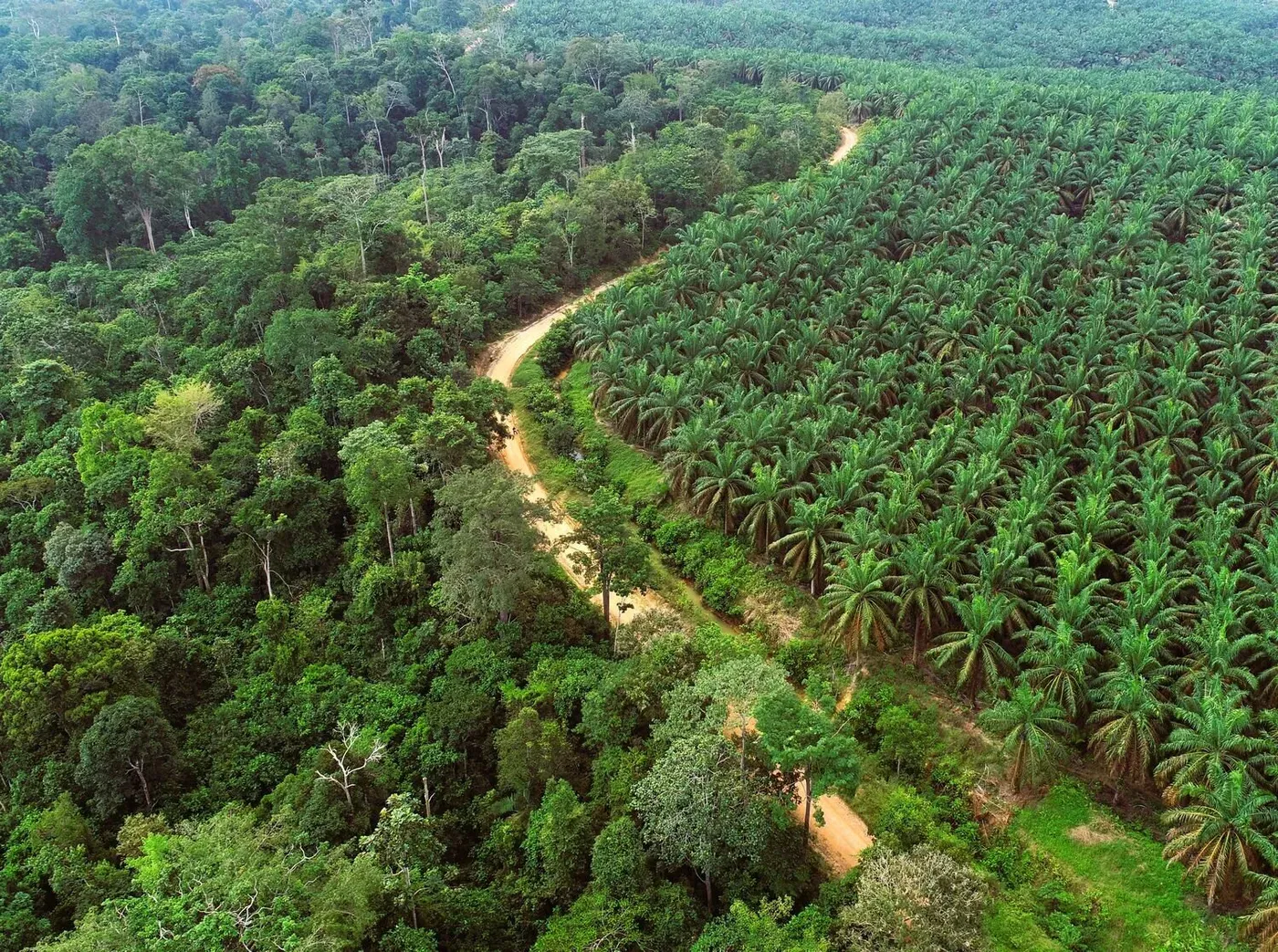
The conversion of tropical rainforests into large-scale plantations for crops like rubber and oil palms poses a significant threat to global biodiversity. But surprisingly, this process does not always lead to a homogenization of species in these areas.
Researchers from the University of Göttingen have been studying how different landscapes along the Indonesian island of Sumatra's tropical lowlands respond to varying levels of land use intensity. Their analysis spanned 32 plots, ranging from untouched forests to traditional rubber farming and intensive smallholder monocultures of either rubber or oil palm.
The team discovered that the impact of land-use intensity on biodiversity is far more complex than expected, with different organisms reacting differently to their surroundings.
The researchers analyzed data from 40,000 species across 24 different groups to understand how land-use intensity affects biodiversity.
Their findings indicate that intensive agriculture leads to a significant decline in local species diversity, with monoculture areas averaging around 50% fewer species than rainforests. At the landscape level, this decline is even more pronounced, reaching as high as 78%.
According to Dr. Nathaly Guerrero-Ramírez, the sharp decline in species numbers does not necessarily translate to increased similarity in community composition within monoculture areas. Instead, the data suggests that communities with fewer species still contain subsets of those found in richer ecosystems.
The findings of a recent study suggest that focusing solely on species richness is not enough to fully understand the ecological consequences of land use in tropical regions.
In order to effectively conserve nature, researchers emphasize that it's crucial to consider entire landscapes rather than individual protected areas or plantations. This involves examining which species occur together in different locations and how their communities are structured. By taking this approach, conservation efforts can be more targeted and effective.
The study highlights the importance of understanding habitat diversity and the relationships between different groups of organisms. Only by considering these factors can we hope to limit the loss of tropical biodiversity and preserve the complex ecosystems that exist in these regions.
Facts based on reporting originally published by Phys.org.
You may republish this story, in full or in part, if you credit News Central Site and link to it (licence CC BY 4.0). Photos are not included.