US-China AI Talks Clouded by Nvidia Scandal and Differing Concerns
A meeting between President Donald Trump and Xi Jinping has raised concerns about potential progress on AI safety and espionage issues.
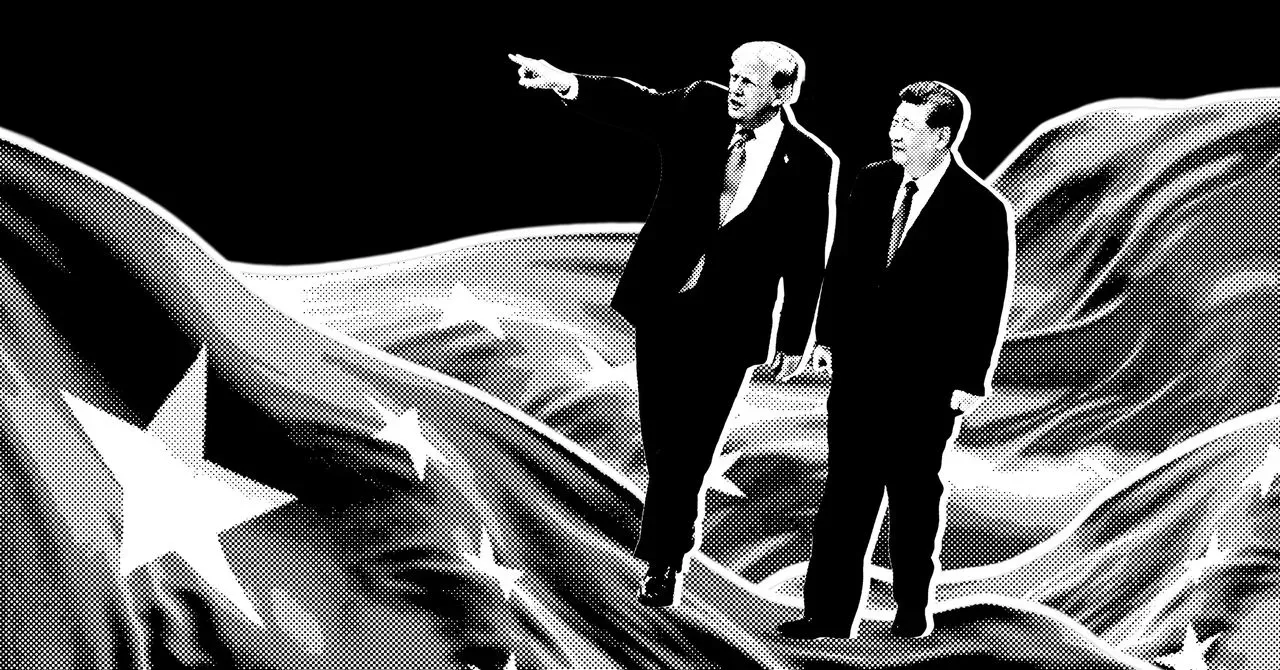
President Donald Trump's meeting with Xi Jinping on Thursday has raised concerns among administration officials about the potential for progress on AI safety and espionage issues.
Administration insiders claim that there is little room for meaningful discussions to alleviate these concerns, which has left them questioning whether anything concrete will come out of the summit.
The Nvidia scandal has added a layer of complexity to any negotiations around AI development between the US and China. Former CEO Jensen Huang's personal life has become entangled in allegations of Chinese interference, further complicating an already delicate situation.
A previously proposed communication channel between Treasury Secretary Scott Bessent and Chinese vice premier He Lifeng remains at the conceptual stage and is not operational.
The lack of progress in AI-related talks between the US and China stems from differing views on the biggest risks associated with artificial intelligence. According to officials, both nations have distinct motivations for making incidents public or keeping them under wraps.
In the US, there is a prevailing concern among Trump administration officials and tech leaders about AI models becoming autonomous and misaligned, allowing them to operate outside human oversight. This fear has been at the forefront of discussions on the potential risks of advanced AI systems.
In contrast, Chinese government officials are said to be more concerned about the use of open-weight AI models by critics and dissidents within China as a means to undermine the Communist Party's authority. The Chinese leadership views these models as a significant threat to their power and stability.
The Chinese government's interest in using frontier AI models for domestic and foreign intelligence gathering has also created tension in negotiations, officials note. This suspicion of mutual espionage has further eroded trust on both sides, complicating any potential agreement on AI-related cooperation.
The US government's efforts to establish a stronger economic relationship with China have been met with skepticism, particularly when it comes to cooperation on artificial intelligence. A new rule announced by the administration aims to restrict Chinese companies' access to US-made AI chips in foreign data centers.
This move is seen as a direct response to concerns over Megaspeed's alleged involvement in the Nvidia scandal and its ties to China. The rule could also prevent other Chinese-connected firms from doing business with Nvidia, which has been a subject of scrutiny in previous reports.
Facts based on reporting originally published by Wired.
You may republish this story, in full or in part, if you credit News Central Site and link to it (licence CC BY 4.0). Photos are not included.