Knee osteoarthritis affects over 500 million people worldwide
A recent review of four randomized controlled trials found little or no effect on pain and mobility problems caused by knee osteoarthritis when taking turmeric supplements.
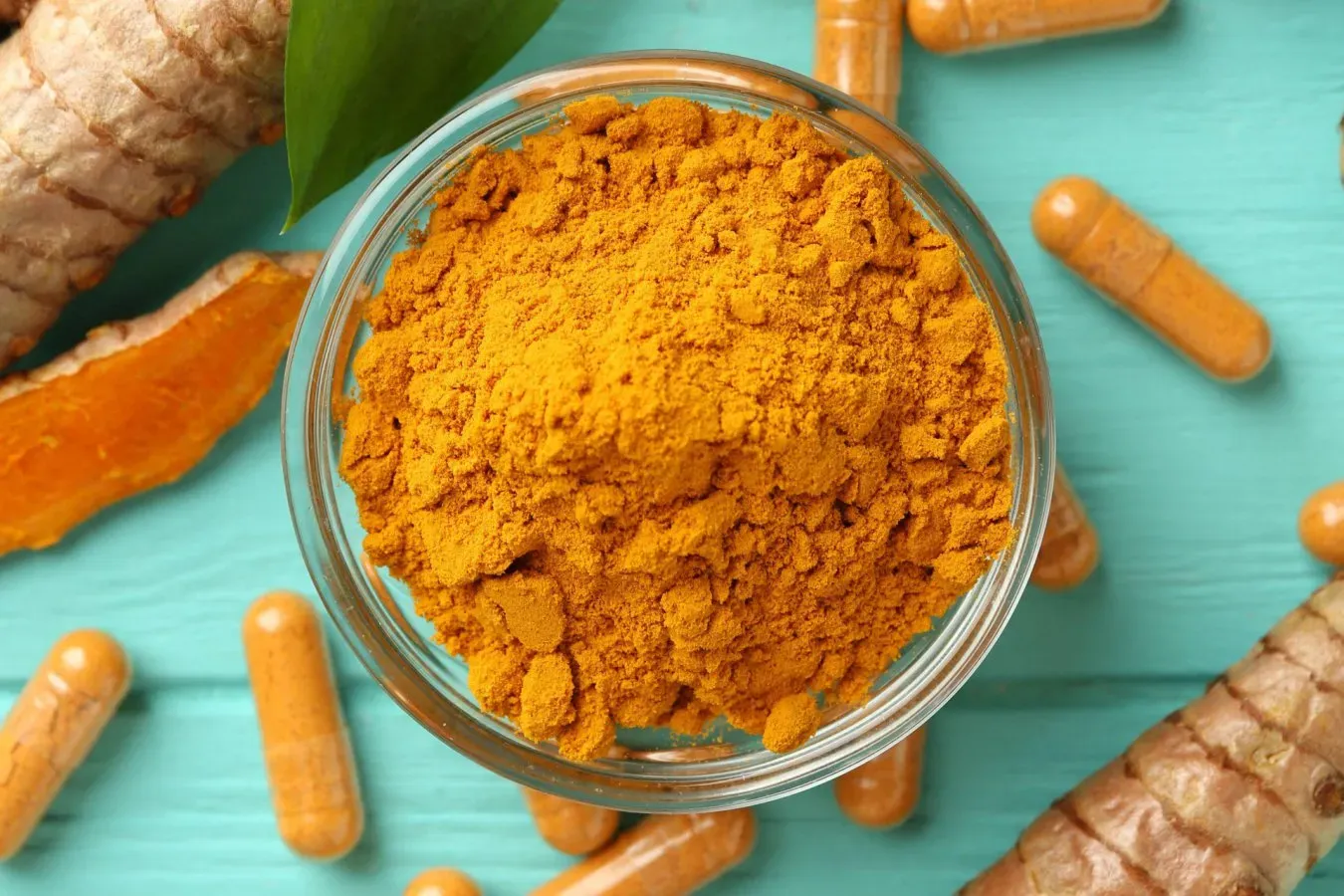
Knee osteoarthritis affects over 500 million people worldwide, causing damage to cartilage that cushions the ends of bones, leading to pain, stiffness, and inflammation. The condition is often treated with painkillers and anti-inflammatory drugs, which can provide relief from symptoms. However, many individuals do not experience significant benefits from these conventional treatments.
Researchers have been exploring alternative therapies, including turmeric supplements, which contain curcumin, a compound believed to possess anti-inflammatory properties. Turmeric capsules are commonly marketed as remedies for joint problems, but the evidence supporting their effectiveness is limited and often based on flawed studies. One expert notes that people seeking relief from knee osteoarthritis symptoms may be disappointed by the lack of benefit provided by these supplements.
A recent review of four randomized controlled trials compared the effects of turmeric supplements to placebo pills. The assessment aimed to provide a comprehensive evaluation of the evidence, but it found little or no effect on pain and mobility problems caused by knee osteoarthritis. This conclusion may be disappointing for individuals who have tried turmeric supplements in an effort to alleviate their symptoms.
Some experts caution that prior studies on the topic were flawed, which may have contributed to the widespread perception of turmeric's benefits. One expert suggests that people should approach alternative therapies with a critical eye and not rely solely on anecdotal evidence or unproven claims. The search for effective treatments for knee osteoarthritis continues, but it appears that turmeric supplements are not a viable solution.
More than 370 individuals suffering from knee osteoarthritis were involved in four randomised controlled trials analysed by Shirinsky and his team.
Participants were assigned to take either a supplement containing turmeric extract or placebo pills, at varying frequencies of two or three times per day, for periods ranging from eight weeks to three months. The duration of the treatment varied across the different trials. Each trial used a unique supplement with its own curcumin dose.
The results showed that participants experienced an average improvement of 6 points on a pain scale, but this was not enough to be considered meaningful according to prior studies. In fact, the difference between the turmeric and placebo groups was half what would be expected to have a noticeable impact.
Surveys conducted as part of the study found no significant effect from taking turmeric supplements on participants' quality of life or their ability to perform everyday activities such as walking, standing up from a chair, or climbing stairs.
The study's findings suggest that taking turmeric supplements may not provide significant benefits for individuals suffering from knee osteoarthritis. Despite this conclusion, researchers acknowledge that the evidence is not conclusive and cannot be considered definitive. The varying formulations of turmeric used in included studies reduced the certainty of the results.
A key issue with the existing research is its inability to establish a clear link between curcumin supplements and their potential side effects. Previous studies have shown that these supplements can cause liver problems in some individuals, but more robust trials are needed to confirm this association. However, experts question whether further research is justified given the current state of knowledge.
Experts argue that there is insufficient evidence to support additional trials on the effectiveness and safety of curcumin supplements for knee osteoarthritis. One reason cited is the limited absorption of curcumin into the bloodstream following ingestion, making it unlikely to have a beneficial effect on joints.
Facts based on reporting originally published by New Scientist.
You may republish this story, in full or in part, if you credit News Central Site and link to it (licence CC BY 4.0). Photos are not included.