Homo erectus Fossils Found in Southern China's Guangxi Province
Fossil discoveries in southern China's Guangxi province suggest that two ancient human species may have coexisted in the region.
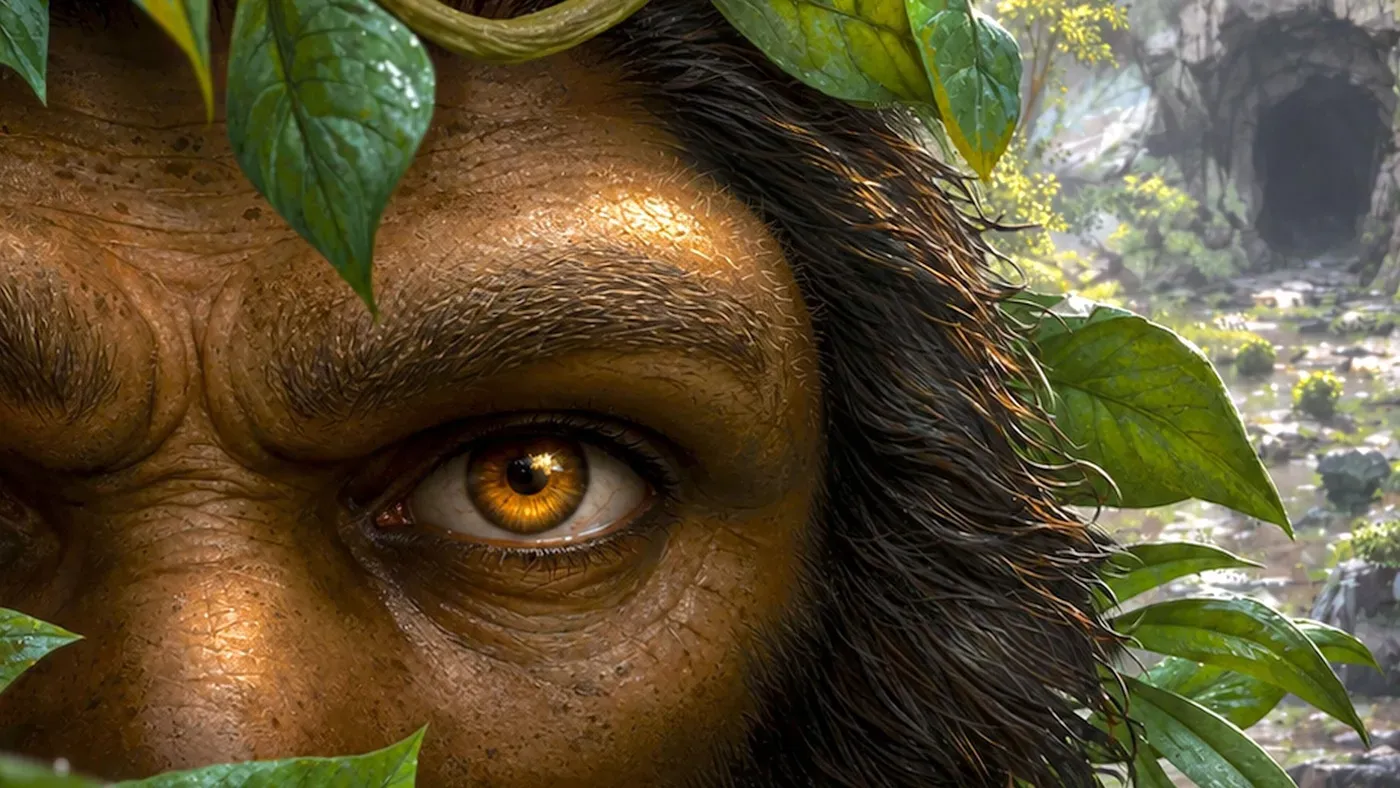
Fossil discoveries in southern China's Guangxi province suggest that two ancient human species may have coexisted in the region. The findings, which include nine fossil teeth from humans, indicate that Homo erectus lived in the area much more recently than previously believed.
The teeth, discovered in two caves in Guangxi, reveal a surprising adaptation of Homo erectus to a tropical environment. This species, typically associated with savannas and grasslands, appears to have thrived in rainforests as recently as 108,000 years ago.
Researchers believe that the Homo erectus population in southern China likely subsisted on local food sources, such as fruits and plants native to the region. The discovery of fossil teeth from a mystery human in the genus Homo adds further complexity to the picture of ancient human habitation in China.
The study's lead author, Frido Welker, describes the findings as "exciting" due to their implications for our understanding of hominin evolution. According to Welker, the presence of two human species in the same rainforest environment at the same time is a significant discovery that challenges current knowledge about human migration and adaptation.
Homo erectus has long been recognized as one of the longest-surviving human species, with records dating back 108,000 years ago. However, previous studies suggested that this species had vanished from the Asian mainland by around 400,000 years ago.
In Guangxi province's karst landscape, researchers have uncovered thousands of mammalian fossils accumulated over time by scavenging porcupines. The Baxian and Naxian caves, which are approximately 9 miles apart, offer a unique window into the region's ancient ecosystem and human history.
The Naxian Cave in China has yielded an intriguing discovery, as researchers found nine human teeth among over 18,000 fossils excavated from the site. The fossil chamber, which stretches back around 330 feet to the cave entrance, contains a diverse array of ancient species, including apes, elephants, and rhinoceroses.
The age of these fossils has been determined through radiometric dating methods, with results indicating they date back between 324,000 and 184,000 years ago. This timeframe suggests that multiple human species may have coexisted in the region during this period. The presence of ancient hoofed animals further underscores the site's significance as a window into China's ancient ecosystem.
Among the nine human teeth discovered, eight share physical characteristics associated with Homo erectus. However, one tooth defies categorization, displaying features that are distinct from those found in H. erectus, Neanderthals, and modern humans. This enigmatic tooth has sparked interest among researchers, who are eager to unravel its secrets.
To better understand the origins of these teeth, Welker's team extracted protein samples from five teeth, including one from the mysterious tooth. The analysis revealed that four of the teeth exhibited protein signatures consistent with H. erectus. These findings were corroborated by the presence of amelogenin-Y, a protein encoded by the Y chromosome, which allowed researchers to determine the sex of three of these individuals.
The results of this study suggest that multiple human species coexisted in China during the Pleistocene era. The presence of H. erectus and the enigmatic tooth raises questions about the relationships between different human species and their habitats.
The discovery of human teeth in two Chinese caves has shed new light on the presence of Homo erectus in mainland Asia.
A total of nine human teeth were found in the caves, eight of which have been confidently identified as belonging to Homo erectus.
Some of these teeth showed protein signatures that differed from those found in other H. erectus remains in China, suggesting they may belong to a previously unknown population with a slightly different genetic makeup.
This new finding fills a significant gap in our understanding of the geographical and chronological distribution of H. erectus in Asia.
The presence of H. erectus in mainland Asia until at least 184,000 years ago helps to explain how this species was able to reach Java 108,000 years ago.
A closer look at the history of H. erectus in East Asia reveals a connection between late Javanese examples and populations on the mainland that may have been linked by land bridges during periods of lowered sea levels.
The discovery of a mysterious tooth in China has sparked debate among experts about its origins and potential connections to other human species.
The protein analysis of the tooth, known as PA1796, revealed that it belonged to a male but failed to yield a clear signature in the protein sequence data, leaving its identity shrouded in mystery.
A team led by Welker suggested that the tooth could be from an unknown hominin species present in the region at the same time, while others speculate that it might belong to a Denisovan.
With some of the new material potentially dating back less than 200,000 years, this brings it close in age to known or putative Homo longi/Denisovan samples in southern China and Laos, implying possible overlaps between these species, according to Stringer.
Stringer noted that the entrance to Naxian Cave, which has a small opening leading to a fossil chamber approximately 164 feet back, might hold secrets about human evolution and interbreeding between H. erectus and Denisovan lineages.
Welker's team acknowledged that any definitive conclusions would require further finds of similar teeth elsewhere, while Hawks suggested that the tooth is most likely from a Denisovan, possibly from a divergent branch for which there is no protein data available.
Researchers have made a significant discovery about the dietary habits and adaptability of an ancient human population in China.
The team analyzed trace elements in teeth from Homo erectus individuals found in caves in southern China to determine their diet and local environment.
Their findings suggest that this H. erectus population was able to thrive in tropical, rainforest-like ecosystems, which was previously thought to be a unique ability of modern humans.
According to experts, being adaptable and flexible were traits not typically associated with ancient human species, but rather with Homo sapiens.
However, the discovery of this adaptable H. erectus population challenges these assumptions and highlights the complexity of early human evolution.
A view from Naxian Cave in China offers a glimpse into the habitat where these ancient humans lived.
The analysis also revealed that the H. erectus individuals consumed plants and animals found in their local environment, indicating a high degree of ecological adaptability.
This finding has significant implications for our understanding of early human evolution and the ability of different species to thrive in various environments.
Levels of strontium in the teeth were used as an indicator of where each individual grew up, providing valuable information about their childhood diet and local habitat.
The team's research also suggests that this adaptable H. erectus population may have been present in other parts of Asia, including northern Vietnam.
The discovery of a karst landscape with similar strontium levels to those found in the Chinese teeth supports this theory.
This finding has major implications for our understanding of early human migration and adaptation patterns.
The discovery of ancient human fossils in China has led researchers to propose a new theory: that Homo erectus and Denisovans may have coexisted in the region.
This idea challenges the conventional view of Homo erectus as an unsuccessful species, which was previously thought to be on the brink of extinction. Instead, it suggests that they were highly adaptable and resourceful, capable of surviving for millions of years.
The finding is significant because it implies that these ancient humans had a complex social structure and interacted with one another in some way. This raises questions about the relationships between different human species, including whether they interbred or competed for resources.
The presence of Denisovan DNA in modern human populations from Island Southeast Asia also suggests that there may have been encounters between Homo sapiens and late Homo erectus individuals, which could have had a lasting impact on the genetic makeup of our species.
Facts based on reporting originally published by Live Science.
You may republish this story, in full or in part, if you credit News Central Site and link to it (licence CC BY 4.0). Photos are not included.