Israel Set to Hold Contested Election Amid Ongoing Conflicts
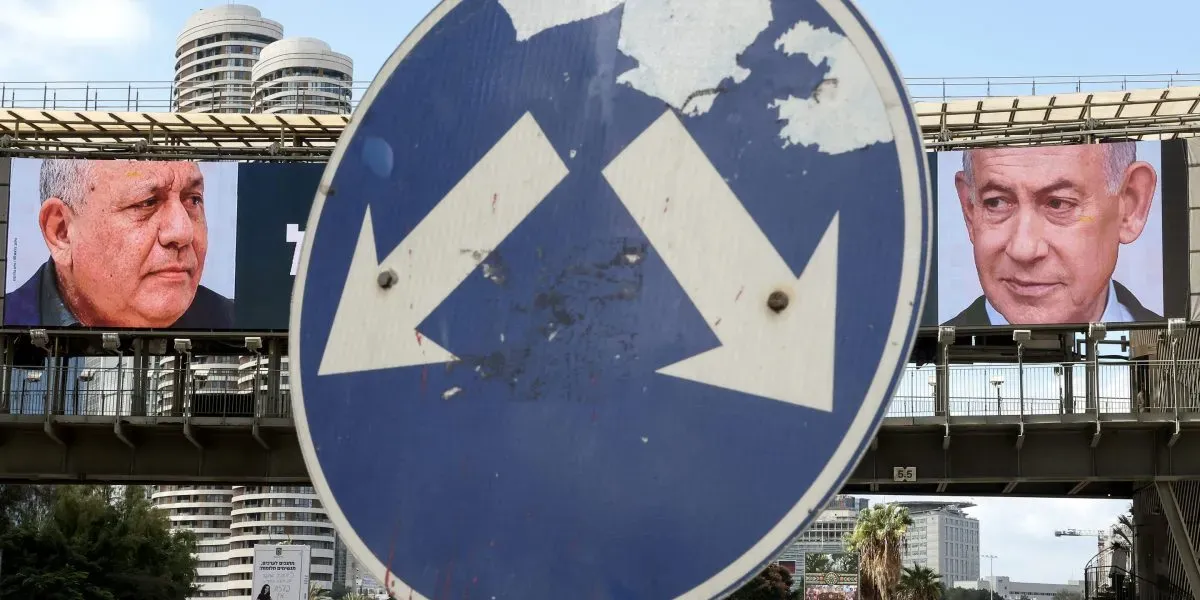
The election is expected to be closely contested between Prime Minister Netanyahu's right-wing bloc and the opposition "change" bloc.
Israel is set to hold its highly contested election on Tuesday, with multiple fronts still active due to ongoing conflicts in Gaza, Lebanon, and Syria. The war has been raging for three years, leaving Israelis anxious about their country's future.
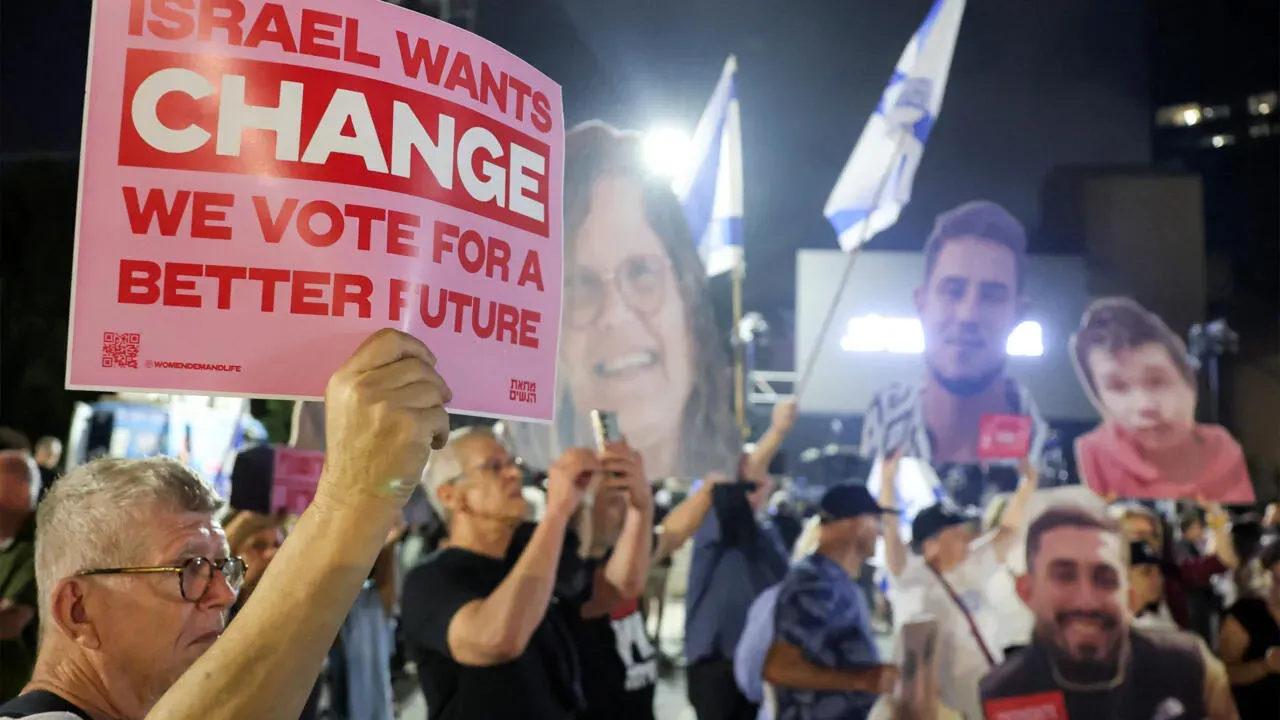
Polls are indicating a closely fought contest between the right-wing and religious bloc led by Prime Minister Netanyahu, and the so-called change bloc opposing him. Right-leaning pollsters give Netanyahu's coalition an edge, while left-leaning ones show the opposition ahead. However, most polls suggest that neither side is likely to secure a decisive majority of 120 seats in the Knesset.
The tight margins mean that Tuesday's election could lead to a stalemate, forcing protracted negotiations between opposing parties or even a minority government. Alternatively, another election may be necessary if no clear winner emerges. This uncertainty has left many Israelis concerned about their country's future and stability.
This will be Israel's first election since the devastating attacks by Hamas on October 7, 2023, which have been described as the country's most catastrophic security failure since its founding in 1948. The ongoing conflicts with Iran are also a pressing concern for Netanyahu, who has advocated for military action against the country.
The Israeli election is expected to be a closely contested affair, with several key issues potentially determining the outcome. One of these factors is Netanyahu's ability to form a coalition government without relying on support from Israel's Arab parties.
His pitch to voters hinges on two main arguments: that he alone can maintain a government free from the influence of Arab parties, which he sees as a threat to national security; and that ongoing conflicts with Iran require his continued leadership to achieve resolution. Netanyahu's stance on these issues is likely to be a deciding factor for many voters.
Netanyahu's Likud party has historically been aligned with ultranationalist and Jewish religious groups, and it appears this partnership will continue in any future government he forms. In fact, the success of Netanyahu's coalition plans may depend on his ability to maintain this alliance with these parties.
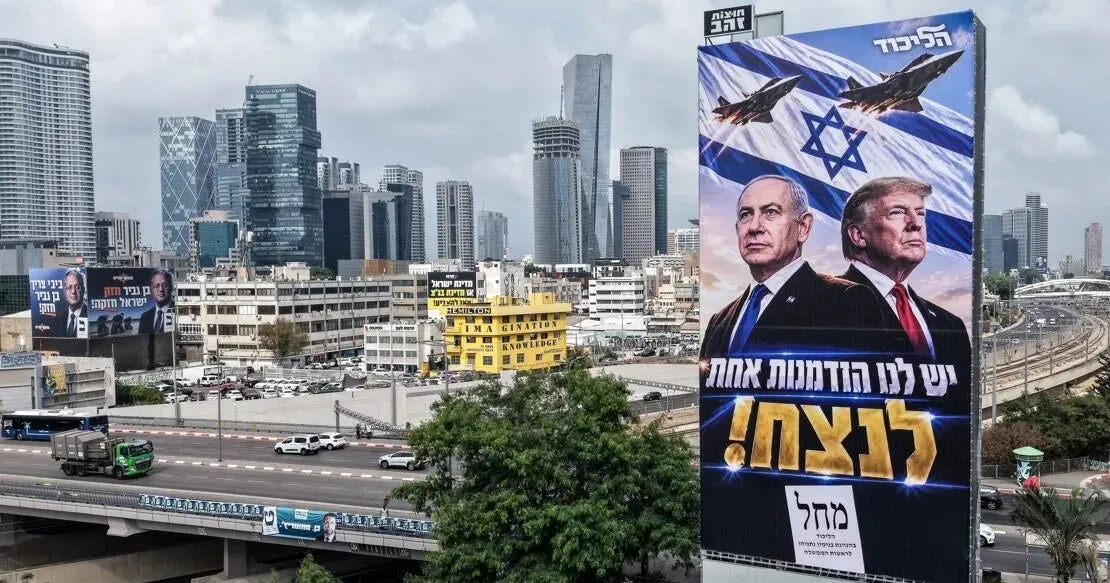
Netanyahu has emphasized that he is the only leader capable of working closely with Mr. Trump to prevent Iran from acquiring a nuclear weapon, a threat many Israelis consider existential.
This claim is likely to resonate with some voters who view Netanyahu's relationship with the US as crucial in maintaining Israel's security and regional influence.
The charisma and strong leadership style of Netanyahu have also been highlighted by supporters like Benny Abraham, a restaurant owner who described him as "the king of Israel.
Abraham's sentiment reflects the widespread perception that Netanyahu has a unique ability to navigate complex international relationships.
A diverse group of parties, including Arab, right-wing, left-wing, and centrist groups, have formed an alliance with one clear goal: removing Netanyahu from power.
This coalition, often referred to as the change bloc," faces a significant challenge in unifying its various factions behind a single leader.
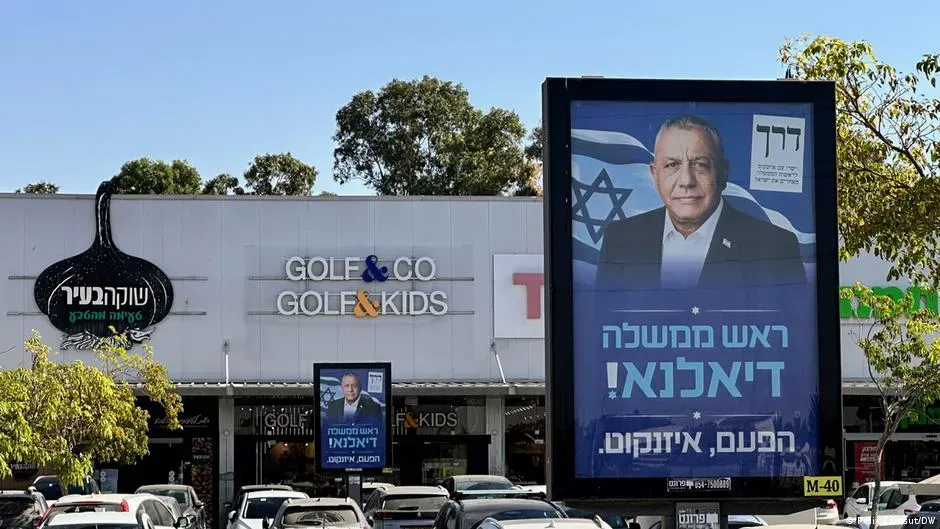
The front-runner to lead this coalition is former Israeli military chief Gadi Eisenkot, who leads the centrist Yashar party and has been thrust into politics after experiencing personal tragedy.
Eisenkot's military background has clearly had an impact on his approach to politics, as he emphasizes the need for a united Israel after years of division.
He is framing himself as a humble veteran who wants to bring people together and put an end to the bitter infighting that has characterized Israeli politics in recent times.
Eisenkot's campaign promises are focused on accountability and transparency, with one key pledge being the launch of a state inquiry into the intelligence failure that led to the October security breach.
This move is seen as a way for Eisenkot to demonstrate his commitment to getting to the bottom of what went wrong and making sure it doesn't happen again.
The outcome of Israel's election hangs in the balance as Benjamin Netanyahu faces a tough road ahead. According to experts, there are several factors that could tip the scales in his favor or against him.
Two new parties have entered the fray, each hovering around the threshold for support required to gain seats in the Knesset. If either party manages to cross this threshold, it could significantly impact Netanyahu's chances of forming a new government. This is particularly relevant given that both parties cut across traditional lines of support and coalition partners.
The election outcome is far from certain, with multiple paths forward possible if neither bloc wins a clear majority in parliament. In such an event, parties or individual lawmakers may break election promises and switch sides, as has been seen in Israeli politics before. This could lead to weeks of intense negotiating before a new coalition is agreed upon.
To form a government, parties must collectively win more seats than their opponents, even if it's less than 50% of the total 120 seats available.
If a stalemate occurs and neither side can build a coalition government, Israel will be forced to hold new elections, a situation that has repeated itself multiple times in recent years. Between 2019 and 2022 alone, the country held five elections due to electoral deadlock.
Facts based on reporting originally published by CBS News World.
You may republish this story, in full or in part, if you credit News Central Site and link to it (licence CC BY 4.0). Photos are not included.