European Flounders Can Complete Life Cycle in Freshwater
A study published in Evolution reveals that European flounders can live and reproduce entirely in freshwater, contradicting previous assumptions about their habitat requirements.
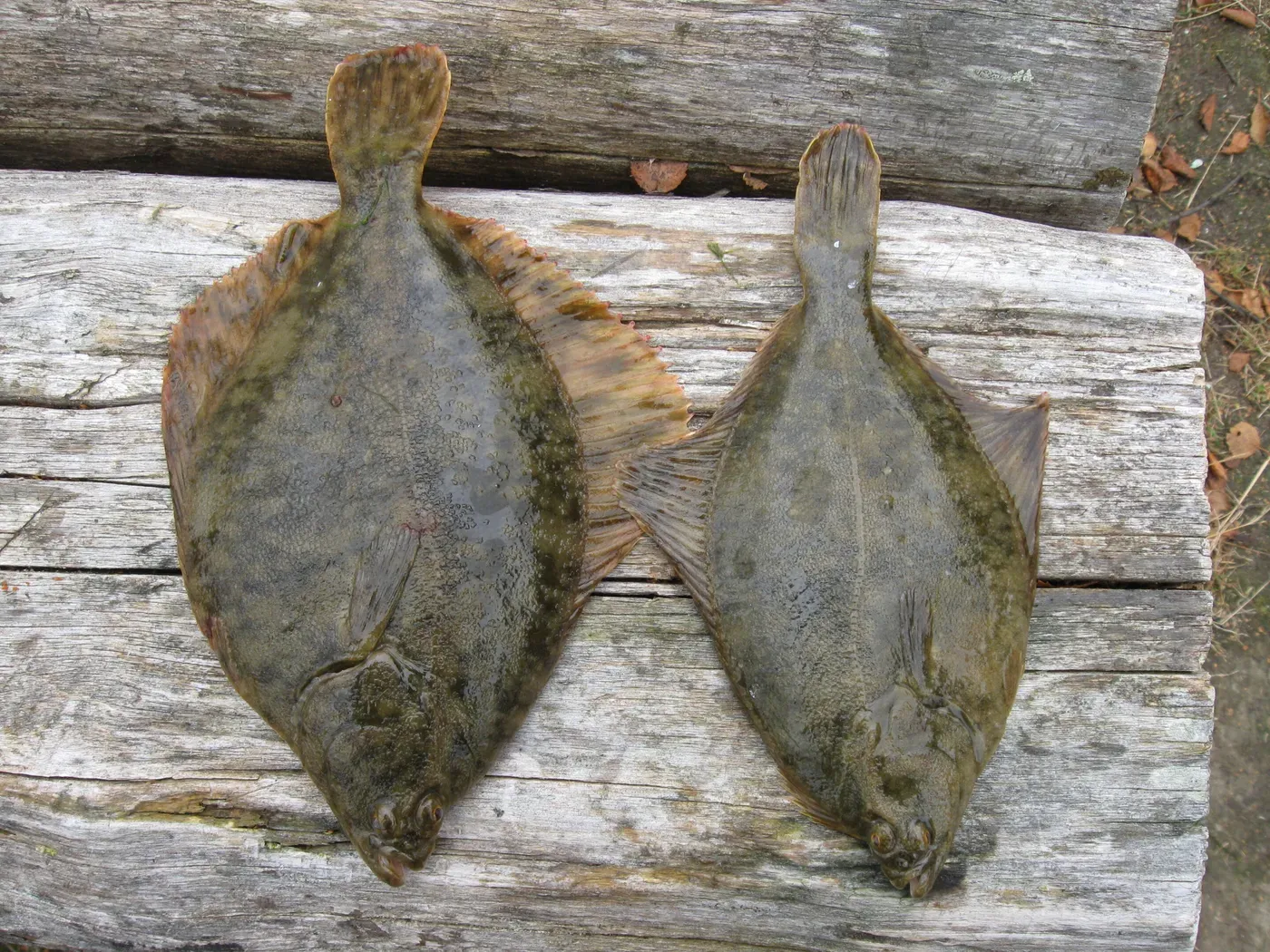
In a groundbreaking study published in Evolution, an international research team has discovered that European flounders (Platichthys flesus) can complete their entire life cycle in freshwater, defying the conventional wisdom that they require marine or brackish water to reproduce.
The researchers made this finding by studying the population of European flounders living in Lake Pulmanki, a former Arctic Ocean fjord located in northern Finland. The lake is connected to the sea via a 60-kilometer-long river section and has been home to these fish since they were first documented there in the 1970s.
Initially, scientists were perplexed by the presence of European flounders in Lake Pulmanki, wondering whether they migrated from the nearby Barents Sea to feed and then returned to spawn. Alternatively, it was possible that these fish had adapted to a full freshwater life cycle, but this would be unprecedented for their species.
To investigate further, the research team employed otolith microchemistry analysis, which involves examining the chemical composition of small bony structures in a fish's inner ear called otoliths. These otoliths grow as the fish ages and preserve a record of the waters it has occupied over time.
The researchers analyzed otolith samples from European flounders in Lake Pulmanki to determine whether they had spent their entire lives in freshwater or had previously inhabited marine environments. The results of this analysis are crucial for understanding the life cycle of these fish and may have significant implications for conservation efforts.
The team of researchers analyzed genetic variation among European flounders from Lake Pulmanki and a few other marine locations using whole-genome resequencing. They aimed to determine whether differences in habitat use were linked to specific regions of the genome.
Genetic data revealed that most flounders sampled in Lake Pulmanki had spent their entire lives in freshwater, indicating that the population can reproduce without going through a marine phase. However, some fish had split their lives between freshwater and brackish or marine water, showing that individuals with different life histories coexist within the same lake.
According to associate professor Paolo Momigliano of the University of Tuscia, the ability of European flounders to reproduce in freshwater poses unique challenges beyond an adult's tolerance for low salinity. Salinity affects sperm motility and egg development, which are critical for successful reproduction.
Professor Juha Merilä of the University of Hong Kong notes that the next question is how these flounders successfully adapt to conditions where their counterparts elsewhere cannot reproduce in freshwater. This adaptation likely involves complex genetic changes.
The genomic analysis suggests that several chromosomes are involved in the shift from marine to freshwater reproduction, indicating a multifaceted genetic basis for this adaptation. The study offers a unique opportunity to investigate how a predominantly marine fish can transition to reproducing in freshwater environments.
The European flounder has successfully completed its entire life cycle in freshwater environments, a rare occurrence that provides valuable insights into the process of speciation.
This remarkable feat is particularly noteworthy because marine-freshwater transitions often lead to reproductive isolation, a key factor in the emergence of new species. The research team's findings offer a unique opportunity to study how this predominantly marine fish can adapt and thrive in freshwater environments, paving the way for further investigation into the mechanisms that drive speciation.
The study involved an international collaboration between researchers from Italy, Hong Kong, Australia, Portugal, and Finland, with Thais Ferreira-Araújo's licentiate thesis serving as a starting point.
Facts based on reporting originally published by Phys.org.
You may republish this story, in full or in part, if you credit News Central Site and link to it (licence CC BY 4.0). Photos are not included.