Google Fitbit Air Hack Allows Analog Watch Users to Track Fitness Metrics
Users can combine traditional watches with Google's lightweight fitness tracker by attaching it to a standard watch band.
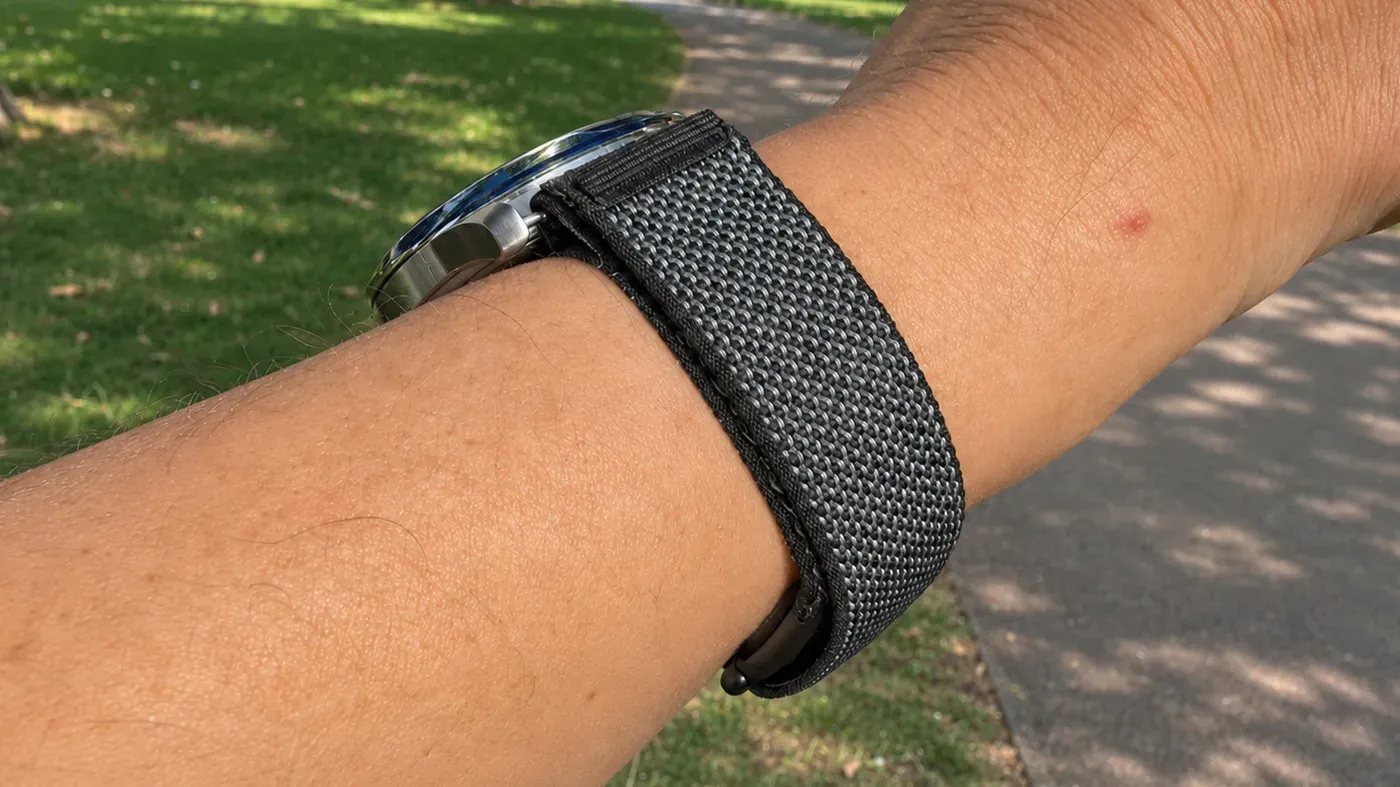
A creative solution has emerged for those who prefer traditional watches but want to track their fitness metrics. A clever hack allows users to combine analog timepieces with Google's lightweight fitness tracker, the Fitbit Air.
The method involves attaching the Fitbit Air to a standard watch band, allowing the wearer to keep their beloved mechanical watch on top of their wrist while discreetly tracking their health data underneath. This compromise offers an attractive option for those who value the aesthetic and functionality of analog watches but also want to monitor their heart rate, exercise, and sleep patterns.
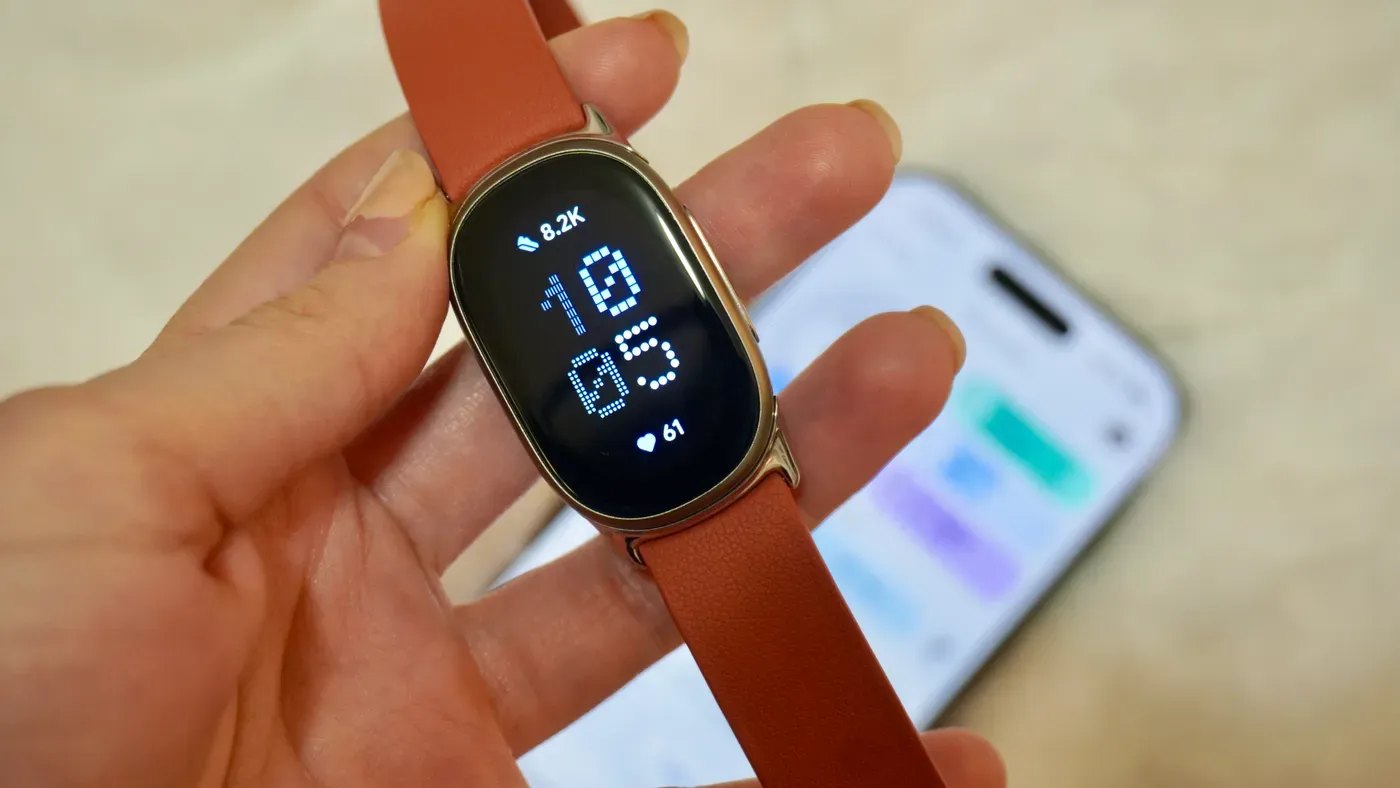
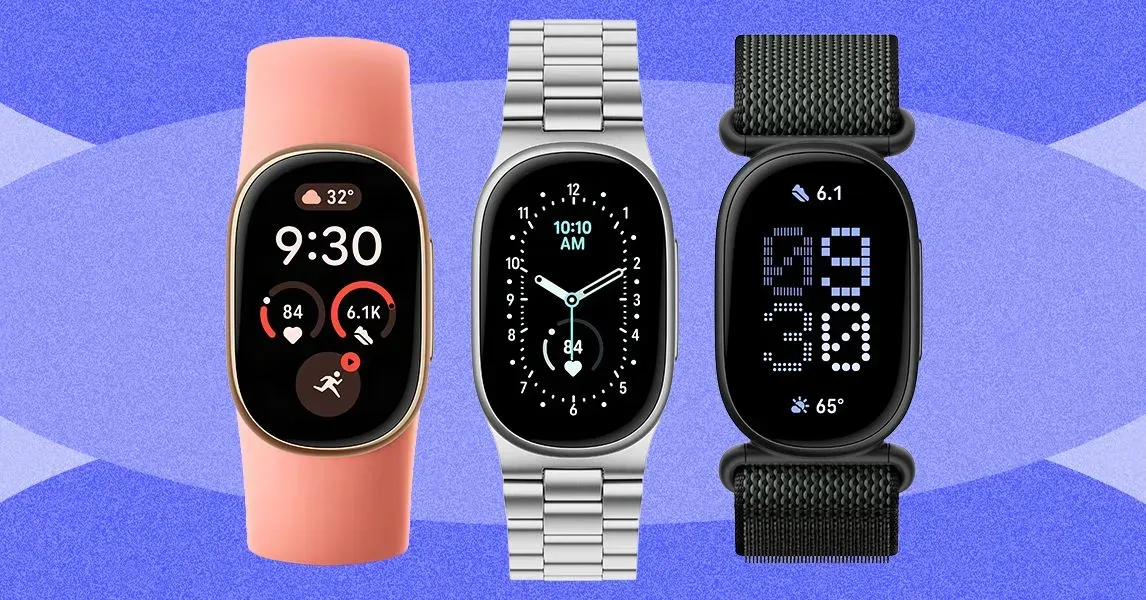
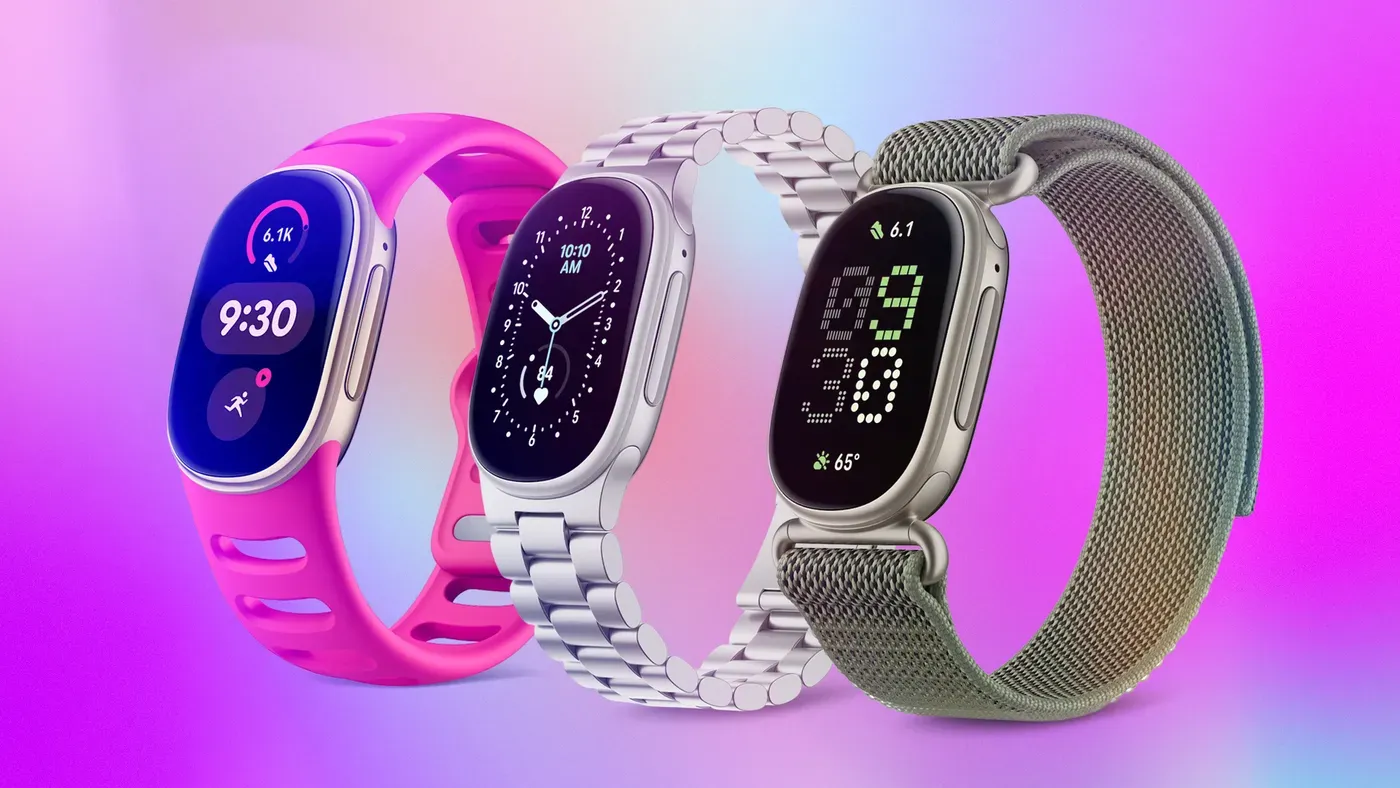
The Fitbit Air, priced at $99.99, is a compact device that monitors vital signs without displaying them on its own screen. Instead, users can access their data via the Google Health app, making it an ideal accessory for those who prefer not to be distracted by additional screens.
To attach the Fitbit Air to a traditional watch, users need to replace their watch's original strap with the tracker's 18mm Performance Loop band. This involves removing the current band and leaving the spring bars in place before sliding the new band under both spring bars, similar to installing a NATO-style strap.
This setup allows wearers to enjoy the best of both worlds: a familiar watch face and advanced health tracking capabilities without the need for an additional screen or device. The versatility of this solution has already been tested with various watch designs, including Seiko wristwatches.
The Fitbit Air can be attached to a wide range of watch designs, but not all watches are compatible. The ideal lug width is 18mm, allowing for a snug fit of the stock strap. However, watches with wider lugs may still accommodate the band, albeit with small gaps on either side.
Some users have also explored attaching the Fitbit Air to existing straps using 3D-printed adapters. These adapters allow the tracker to be secured underneath regular watch straps, preserving the original look and feel of the timepiece. One such adapter was demonstrated in use with a Hamilton Khaki Field King watch.
When choosing an adapter, it's essential to ensure that it fits the strap width securely, especially for users who engage in physical activities while wearing their watches. The adapter must be able to withstand regular wear and tear without compromising the tracker's accuracy or comfort.
Google has recommended that users wear the Fitbit Air on top of the wrist for optimal reading accuracy, but it remains unclear whether attaching the tracker underneath a watch affects its performance. This may also impact user comfort, particularly when leaning on their wrists or typing for extended periods.
The Fitbit Air's water-resistant design allows users to track their activities in and around water without worrying about damaging the device. However, the same cannot be said for older watches that may not be designed to withstand moisture or perspiration, making them incompatible with swimming or high-intensity workouts.
To access fitness data on the Fitbit Air, users must have a Google Account and the Google Health app installed, regardless of whether they choose the custom watch attachment or stick with the original band. The basic features of activity and sleep tracking remain free, while personalized coaching through Google Health Premium requires a subscription fee of either $9.99 per month or $99 annually.
Facts based on reporting originally published by Engadget.
You may republish this story, in full or in part, if you credit News Central Site and link to it (licence CC BY 4.0). Photos are not included.