Apple Unveils New Smart-Home Devices and Home Collection
Apple has introduced a range of smart-home products, including the Apple HomeView, second-generation HomePod Mini, and fourth-generation Apple TV 4K.
Apple has revamped its smart-home strategy with a new lineup of devices and a "Home Collection that brings together various smart gadgets under one umbrella.
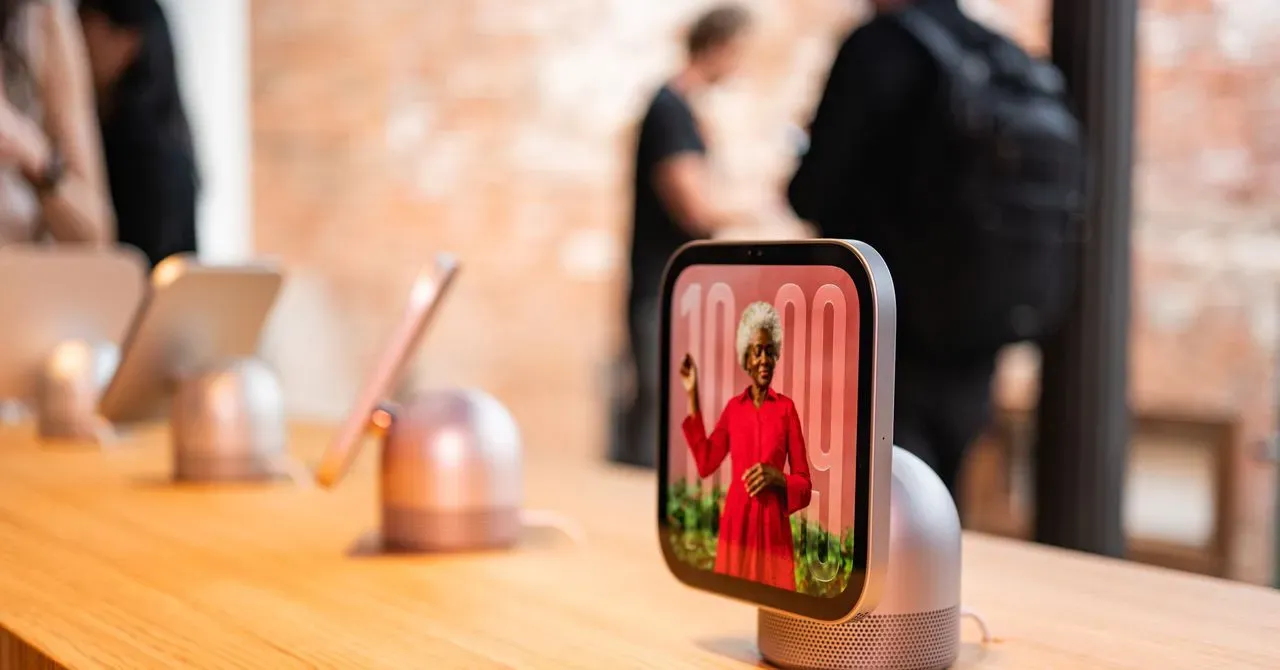
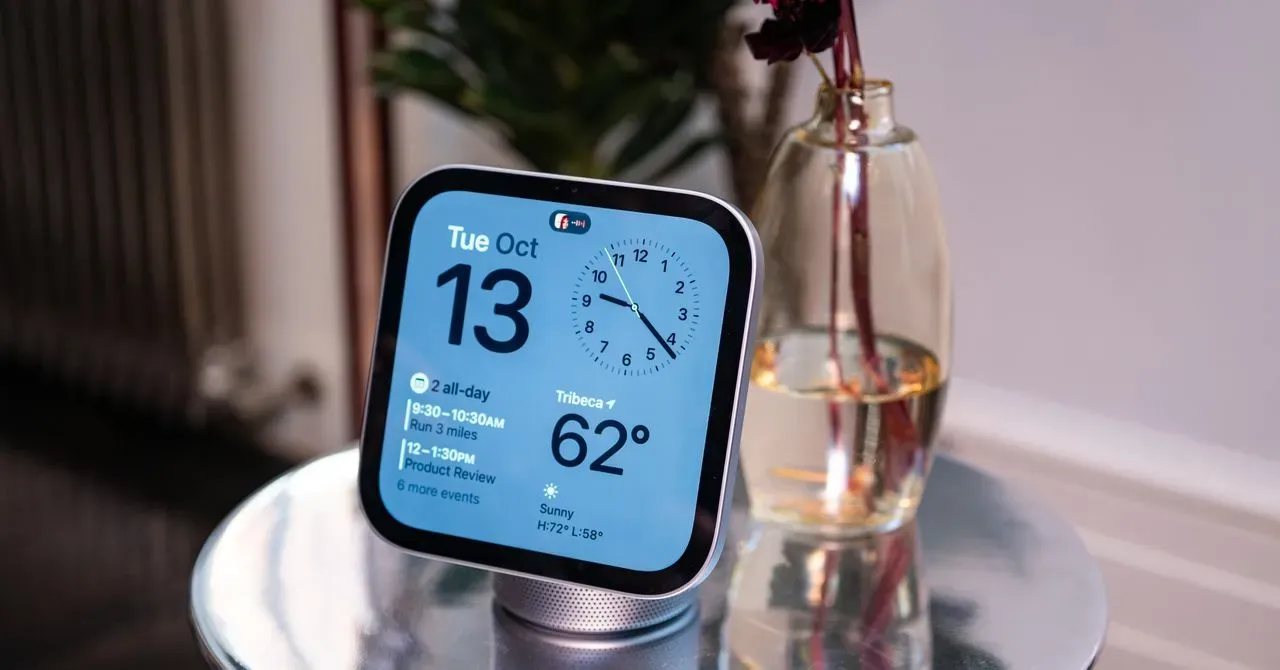
The company's latest offerings include three new products: the Apple HomeView, a 7-inch square display resting on a speaker base; the second-generation HomePod Mini smart speaker; and the fourth-generation Apple TV 4K.
These devices were unveiled at an exclusive media event in New York City, where Apple also showcased its collaboration with other companies to develop new smart-home products. Among these are a video doorbell, thermostats, and security cameras made by LG and Schneider Electric.
At the heart of this revamped strategy is the Apple HomeView, which operates similarly to Amazon and Google's smart displays but marks a new category for Apple. This countertop device features HomeView Software, a standalone operating system separate from iOS.
The interface on the Apple HomeView bears some resemblance to an iPhone or iPad, but users can only access a curated selection of apps, including Messages, Safari, and FaceTime, alongside select third-party media apps like Spotify.
This new lineup of devices is powered by Siri AI, which Apple revamped this year in iOS 27. With its improved capabilities, Siri can now answer more complex questions and provide personalized responses based on the user's context, accessible from both their iPhone and HomeView.
The latest iteration of Apple's smart-home strategy is built around its new HomeView device, which offers a range of innovative features designed to make managing your home easier.
One notable feature of the HomeView is its ability to recognize individual users and display custom views based on their preferences. This capability relies on computer vision technology that uses the device's camera to detect when an authorized user approaches it.
For this to work, however, several conditions must be met: the user's iPhone needs to be connected to the same Wi-Fi network as the HomeView, and the iPhone itself must have been recently unlocked.
In addition to its user recognition features, the HomeView also requires an iPhone with Apple Intelligence support, specifically, an iPhone 15 Pro or newer model. This is because the device relies on advanced AI capabilities to function at its best.
The new smart-home hardware lineup, which includes devices from LG and Schneider Electric, is designed to work seamlessly with HomeKit and take advantage of features like Matter, a standard that enables supported devices to interact with any connected home platform.
The new Apple Home Collection devices are designed to integrate seamlessly into users' existing Apple ecosystems. One of the key features of these devices is their ability to automatically connect to the Apple Home app when installed, eliminating the need for separate accounts or multiple apps.
In a demo, it was shown that some of these devices can adjust their behavior based on the user's presence at home. For example, the LG Indoor Camera tilts downward when it detects the user's arrival, providing an added layer of privacy.
Some of the other devices in the lineup also offer innovative features. The LG Deadbolt, for instance, can unlock automatically as the user approaches, using their iPhone or Apple Watch to sense their presence. This is accompanied by a visually appealing green LED animation that circles the lock.
The LG Video Doorbell stands out with its dual-camera setup, allowing users to see who's at the door and monitor any packages left outside. The LG Outdoor Camera also has a notable upgrade option - a floodlight package that can be purchased separately for $400.
With an iCloud+ subscription, users can enable smart video descriptions that provide alerts about people or pets detected outside their homes. This feature uses facial recognition technology to identify individuals, making it possible to receive notifications about who's at the door.
The Apple Home Collection devices will become available in December, with security cameras launching in three countries: the UK, US, and Canada. However, thermostats and door locks will only be sold in North America due to standards compliance issues.
The HomePod Mini 2 is now available for preorder at a price of $149, which marks a $50 increase from its predecessor. However, this new cost is still relatively affordable, considering Apple's recent price adjustments due to the ongoing memory crisis.
In comparison, if you factor in these recent price hikes, the HomePod Mini 2 is only $30 more expensive than the original model. Preorders for the device are open now, with official sales set to commence on October 30.
The updated smart speaker boasts a few new features, including Sound Glow, which synchronizes the lights on top of the device with the album artwork colors of the currently playing song. This innovative feature is not only visually appealing but also adds an immersive experience to music playback.
When asked to play soundscapes, such as rain sounds, Siri will display a corresponding animation on the lights, creating a dynamic and engaging visual representation of the audio. The HomePod Mini 2 also supports pairing with other devices, allowing users to use it in conjunction with their iMac or other Apple products.
One notable aspect of the HomePod Mini 2 is its hardware upgrade, which features the same S10 chip that powers the Apple Watch Series 10. This powerful processor enables seamless integration and efficient performance within the device.
The new smart speaker will be available in various colors, including green, white, midnight, pink, and black, providing users with a range of customization options to suit their preferences.
The new Apple TV 4K model comes with a hefty price tag increase of $170 compared to its predecessor, despite offering improved features and specifications. This significant price bump may be a concern for some consumers, but it is worth noting that the latest model boasts Wi-Fi and Ethernet connectivity, as well as starting at 128 GB of storage.
Preorders for the new Apple TV 4K are now live, with shipping scheduled to begin on November 13. For those looking forward to getting their hands on the device, this is an opportunity to be among the first to experience its enhanced capabilities.
At the heart of the new Apple TV 4K is Siri AI, which has been upgraded to provide more personalized recommendations and seamless integration with users' iPhones. Users can now ask Siri for suggestions or play content that was previously recommended by friends, leveraging the personal context stored on their iPhone.
The device's hardware includes three far-field microphones, allowing it to pick up voice commands even when the TV is playing content in the background. This ensures a convenient and hassle-free user experience, regardless of where you are in the room.
Inside the new Apple TV 4K sits the A19 chip, which was first introduced on the iPhone 17. This powerful processor enables faster performance and improved efficiency, contributing to the overall enhanced user experience offered by this device.
The remote control for the new Apple TV 4K has also been upgraded with built-in Find My support, allowing users to easily locate it using the Find My app or Siri. Additionally, the remote is backward compatible, so existing owners of older Apple TV models can upgrade their remotes without needing a full hardware replacement.
The new smart-home setup from Apple features speakers that automatically calibrate to provide optimal sound for each room, making it an effortless way to set up a home theater system.
This four-speaker arrangement would normally cost $1,000, but its affordability is enhanced by the fact that it's a wireless surround-sound system compatible with all Apple devices. However, it's worth noting that this feature is only available on specific HomePod models, excluding the original 2017 model and the first-generation HomePod Mini.
The release of Apple's new smart-home hardware coincides with Amazon and Google updating their respective ecosystems with advanced language models, which could be seen as a strategic move by Apple to capitalize on its competitors' slow rollouts. According to Jitesh Ubrani, director of Consumer Devices Research at IDC, Apple may finally have the hardware in place, but Siri AI has to prove it belongs in the room."
The success of Apple's revamped smart-home strategy will depend on how well its new hardware and AI capabilities work together, particularly with regards to Siri's performance.
Facts based on reporting originally published by Wired.
You may republish this story, in full or in part, if you credit News Central Site and link to it (licence CC BY 4.0). Photos are not included.