Smartphone shipments hit lowest level since 2012 due to RAMageddon memory shortage and rising costs
The decline in smartphone sales is a continuation of a months-long trend, with a significant slump of 20% in the third quarter of 2026.
Smartphone shipments have hit a new low, marking the lowest number since 2012. The decline in smartphone sales is a continuation of a months-long trend, with a significant slump of 20% in the third quarter of 2026.
The primary cause behind this downturn can be attributed to the ongoing RAMageddon memory shortage. This shortage has led to a substantial increase in the cost of DRAM and NAND, the two main memory chips used in smartphones, computers, and data centers. As a result, manufacturers are forced to raise phone prices, contributing to an overall price hike of 20% this year.
The rise in memory costs is largely due to its limited availability, driven by the massive buildup of AI infrastructure that demands vast amounts of these chips. This trend has been exacerbated by companies investing heavily in AI technology, with estimates suggesting they will spend $1.4 trillion on AI infrastructure alone this year and a staggering $2.6 trillion overall.
The severe memory shortage is taking its toll on phone sales, with the second consecutive quarter being severely impacted. Analysts believe that global fears about rising inflation are also playing a significant role in suppressing demand for smartphones, further contributing to the decline in shipments.
The latest batch of smartphones has failed to boost sales, as global shipments reached an all-time low in the third quarter.
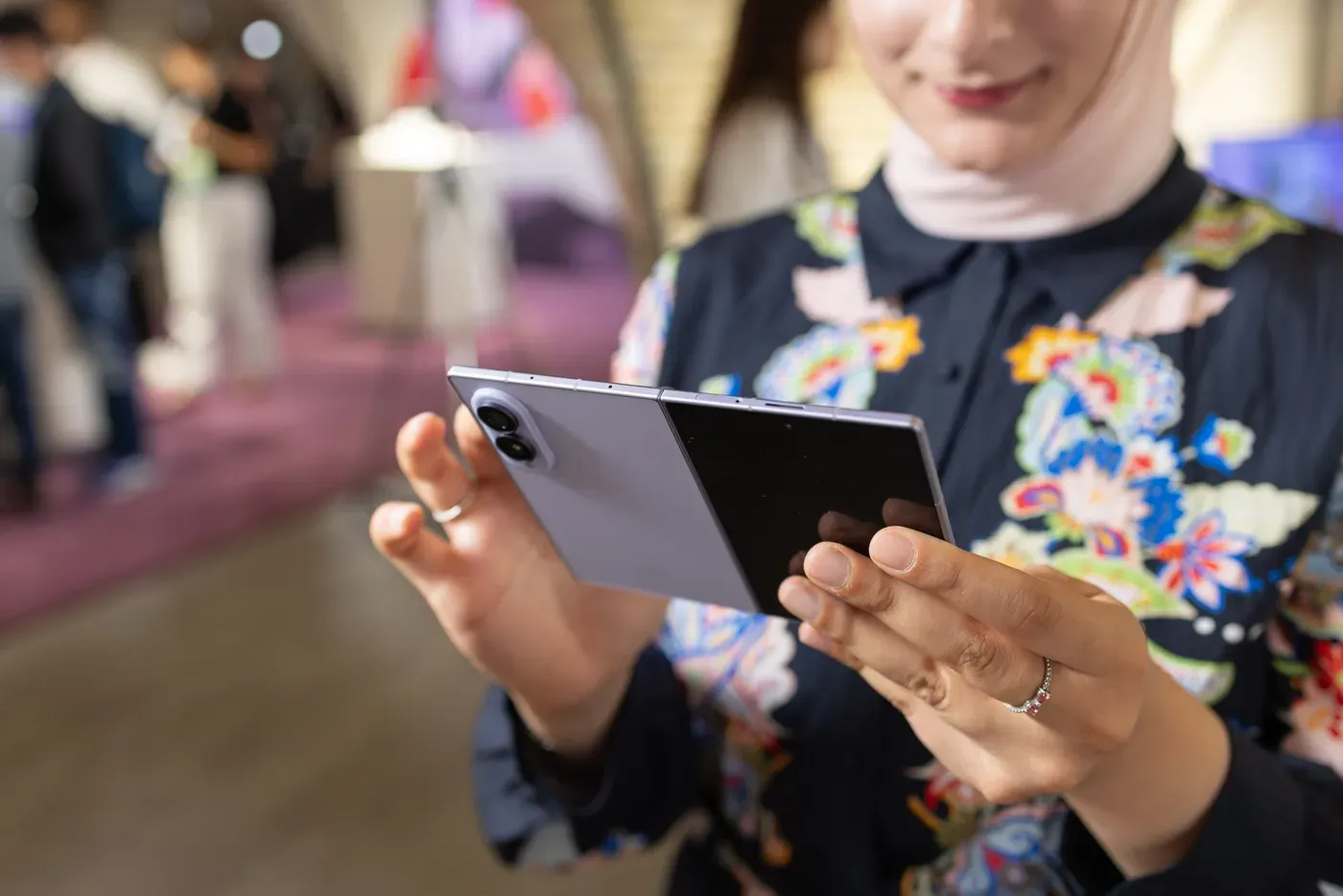
Some manufacturers managed to hold on to market share despite the decline, however. Samsung's market presence grew from 19% last year to 23% this year, thanks in part to strong initial demand for its Galaxy Fold 8 model. Apple also saw a significant gain, with its market share reaching 22%, marking the first time it has surpassed 20% in a single quarter.
However, both Samsung and Apple suffered year-over-year declines in shipments, despite their improved market shares. It's clear that the smartphone industry is facing tough times, with consumers becoming increasingly cautious about spending on new devices.
The trend of rising prices for smartphones shows no signs of slowing down. In recent weeks, Samsung has increased the price of its Galaxy S26 phones by $100, while Apple's latest iPhone 18 Pro and Pro Max models were launched last month at a higher price point than their predecessors.
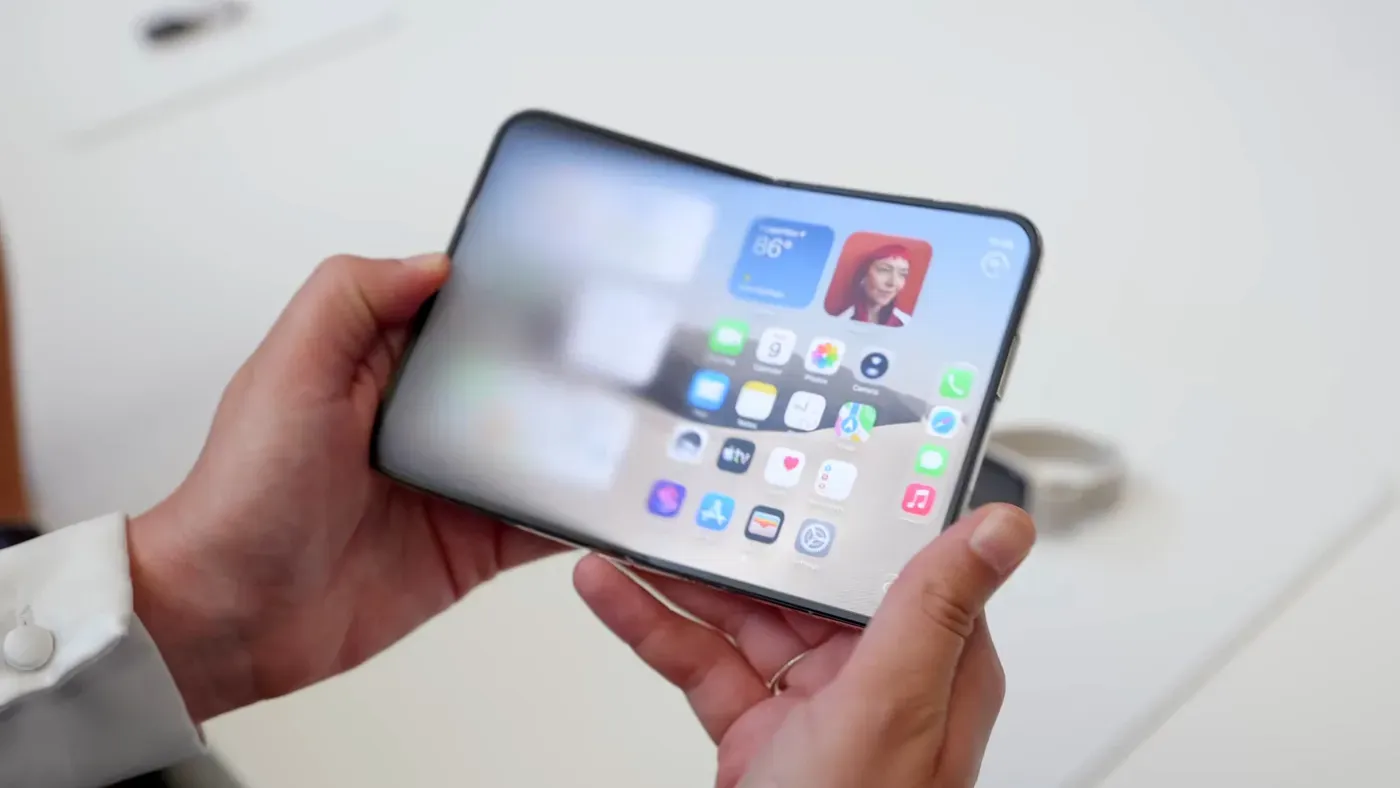
As the latest smartphone releases hit the market, including Samsung's Galaxy Z Fold 8 and Galaxy Z Flip 8, as well as Google's Pixel 11 and Apple's iPhone 18 Pro line, analysts are warning that high prices will continue to deter consumers from buying new devices.
A recent survey by Counterpoint Research found that consumers are increasingly holding off on buying new smartphones until holiday sales kick in. The study, which polled respondents across several countries including the US, UK, India, China, and Germany, revealed that nearly half of those surveyed would wait for discounts before making a purchase.
The trend is even more pronounced among younger consumers, with 56% of Gen Z respondents planning to delay their phone upgrades until holiday sales arrive. This shift in consumer behavior has significant implications for the industry, with manufacturers potentially turning to refurbished devices and other alternatives to stay competitive.
As AI investment continues to strain memory supply, it's clear that phone prices will remain high for the foreseeable future. With companies focusing on premium devices and fewer budget options emerging, consumers may need to be even more patient, or consider alternative purchasing strategies, if they're looking for an affordable new smartphone.
Facts based on reporting originally published by CNET.
You may republish this story, in full or in part, if you credit News Central Site and link to it (licence CC BY 4.0). Photos are not included.