Apple Introduces Hearing Test Feature on AirPods Pro
This feature allows users to conduct a hearing test in just five minutes and requires iOS 18.1 or later.
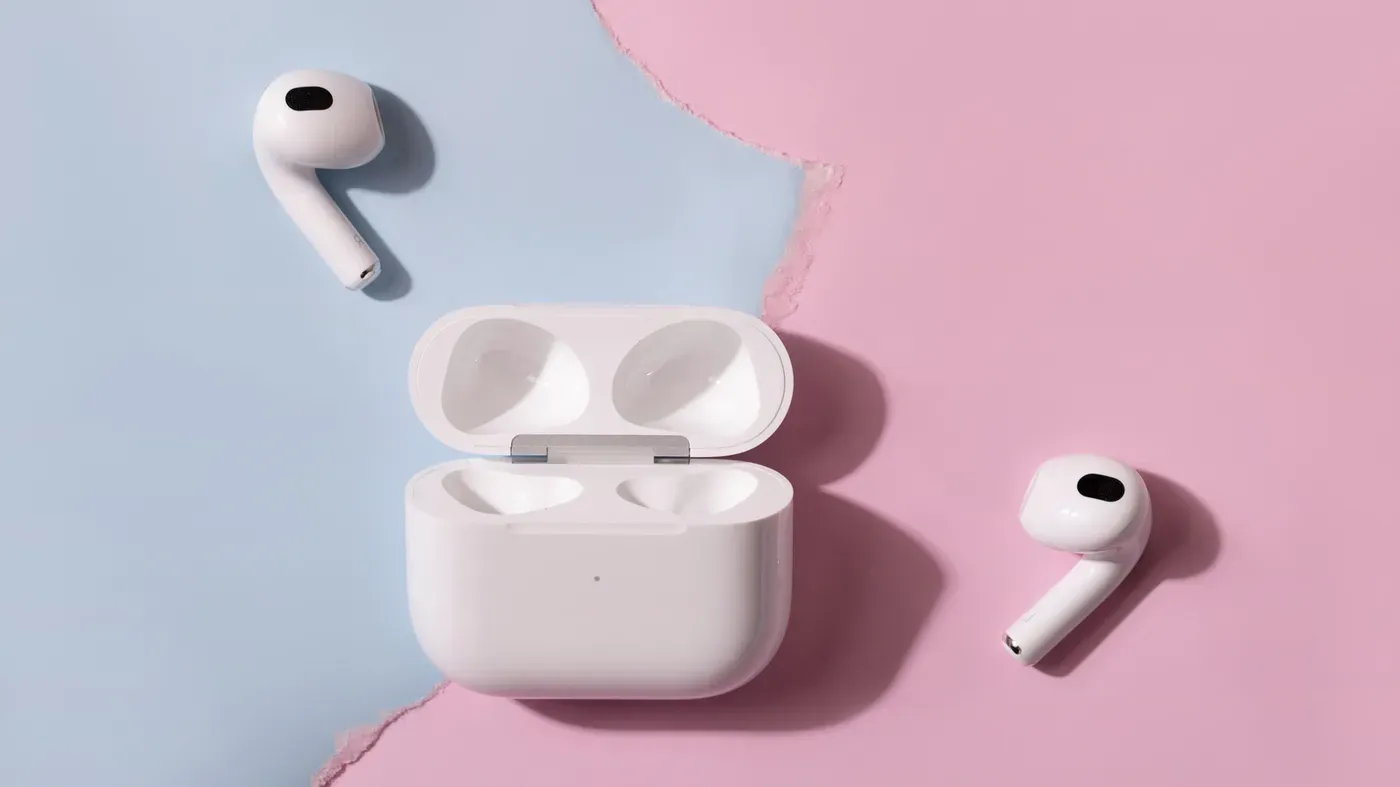
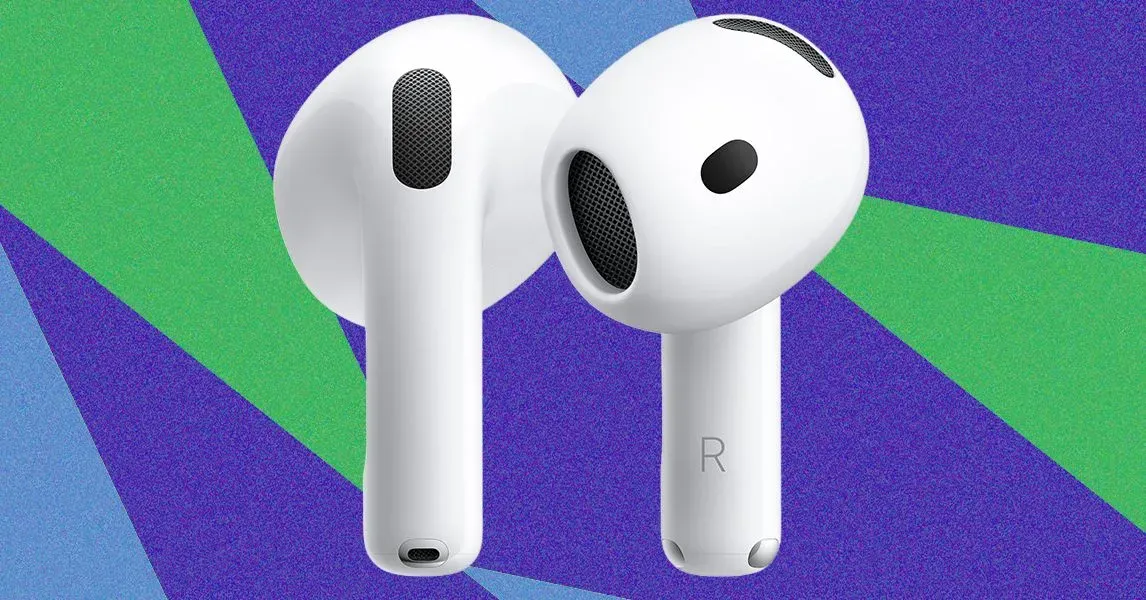
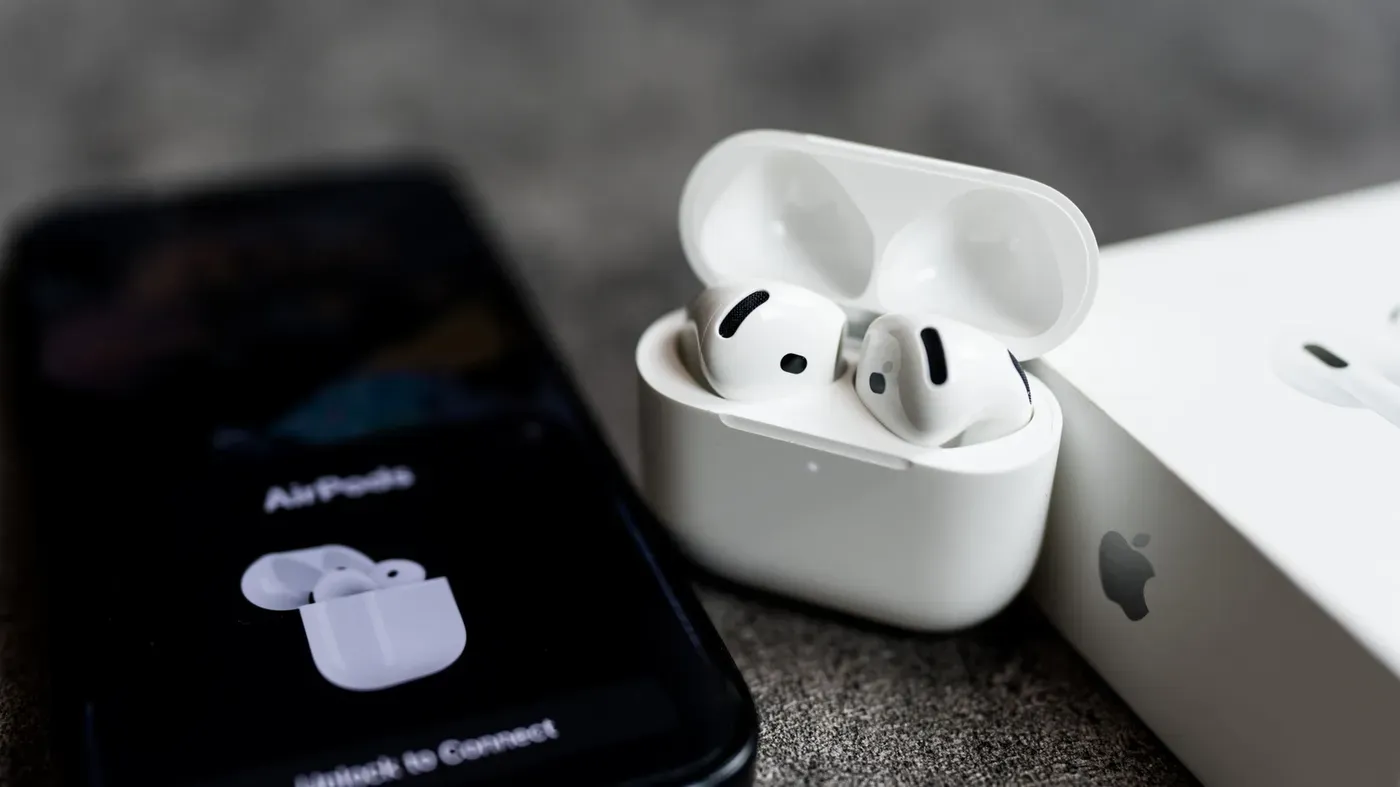
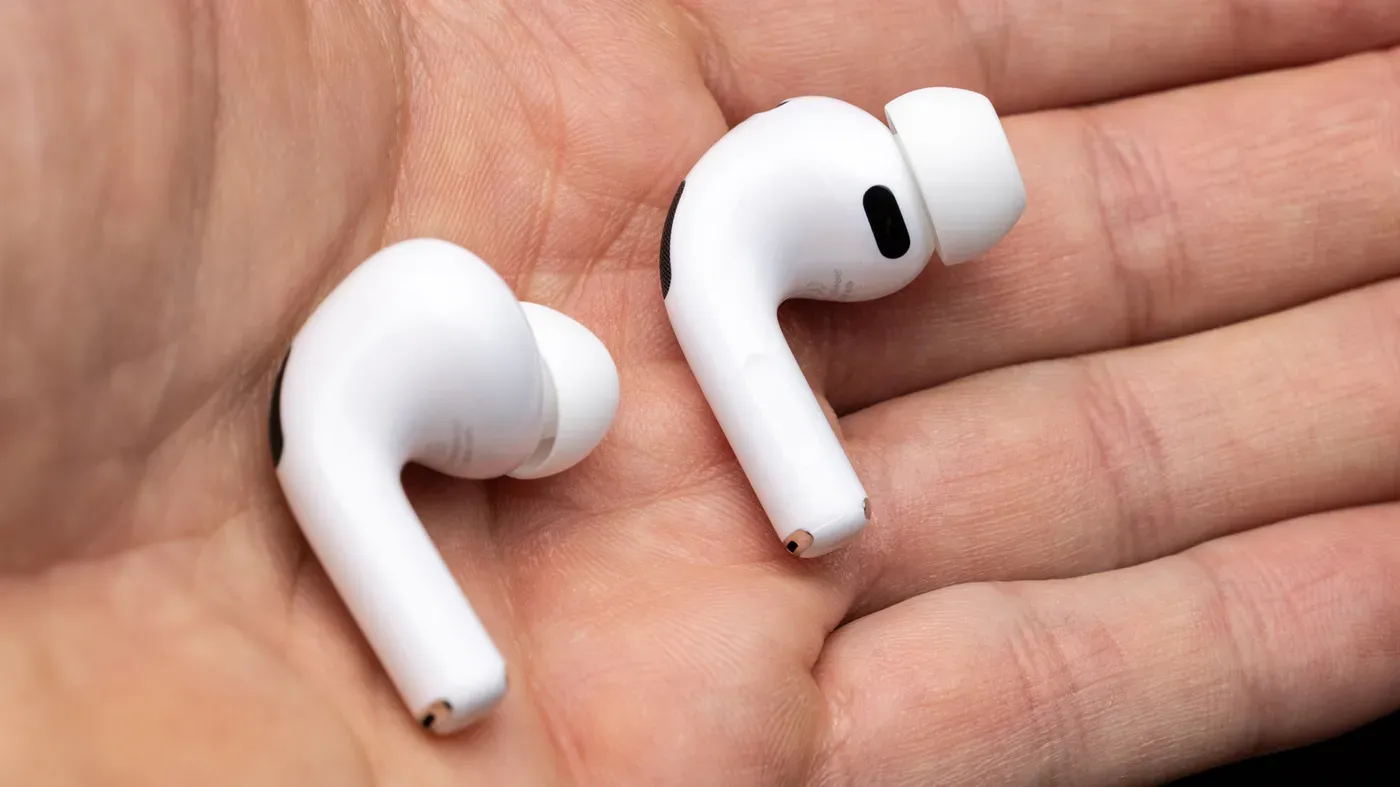
Apple has introduced a feature in its AirPods Pro earbuds that allows users to conduct a hearing test in just five minutes. This feature is available on the latest models of AirPods Pro and requires iOS 18.1 or later.
The hearing test feature, which Apple claims is "clinical-grade, can help identify potential hearing loss, regardless of age. It's worth noting that while commercially available health devices may not always provide accurate results, Apple's hearing test has shown promise in delivering reliable outcomes under the right conditions.
To use the feature, simply open the Settings app on your iPhone and select AirPods Pro from the list of connected devices. From there, you can access the hearing test by navigating to the Hearing section within the device settings. The test itself is straightforward, requiring users to sit in a quiet room with their AirPods Pro inserted.
While some may be skeptical about relying on an earbuds-based hearing test, Apple's feature has been shown to deliver accurate results when used as intended. But it's essential to remember that this test is not meant to replace professional medical evaluations and should only be seen as a starting point for further assessment by an audiologist or healthcare professional.
The AirPods Pro's hearing test has undergone scrutiny since its release, including a clinical study on its accuracy. Researchers conducted a 2026 study published in Otolaryngology–Head and Neck Surgery, which found that the AirPods Pro showed clinically acceptable accuracy and reliability" when compared against standard audiometry tests.
The study highlighted the convenience of the AirPods Pro's hearing test, noting it is significantly faster and easier to perform than an in-office exam. This ease of use could encourage more people to prioritize their hearing health, but it's essential to remember that this test is not a substitute for professional medical evaluations.
While Apple's hearing test is considered a valid screening tool, it cannot provide a diagnosis, only a doctor can do that. The test is also limited in scope compared to an audiologist's comprehensive evaluation, which includes additional tests to measure bone conduction and eardrum health.
These extra assessments offer a more complete understanding of one's hearing and can pinpoint the cause of any loss. Studies on the AirPods Pro's accuracy have been small so far, but their findings are still significant.
The limitations of the AirPods Pro's hearing test underscore the importance of consulting an audiologist or healthcare professional for a thorough evaluation. The AirPods Pro can serve as a starting point for further assessment, but it should not replace professional medical evaluations.
To get an accurate reading from the AirPods Pro, it is essential to take the hearing test under optimal conditions. This means ensuring that the ear tips form a complete seal in your ears, and finding the right fit can sometimes be a challenge.
A quiet environment without background noise is also crucial for obtaining reliable results. The AirPods Pro will alert you if it detects excessive noise or an inadequate in-ear fit during the test. However, even with these precautions, taking the test at home may not be as effective as undergoing a professional evaluation at a doctor's office.
The hearing test provided by the AirPods Pro is designed to screen for age-related normal hearing loss, which affects most people to some extent. If you experience sudden hearing deterioration or ear pain, or if one ear is significantly worse than the other, it is vital to consult a medical professional promptly.
In such cases, Apple's hearing test can serve as an initial screening tool before symptoms arise, but it should not be relied upon for definitive diagnosis or treatment.
Facts based on reporting originally published by Engadget.
You may republish this story, in full or in part, if you credit News Central Site and link to it (licence CC BY 4.0). Photos are not included.