Sony Reduces US Mobile Store Offerings to Just Three Products
The company's decision to scale back its US smartphone offerings is a significant shift from its heyday as a major player in the American market.
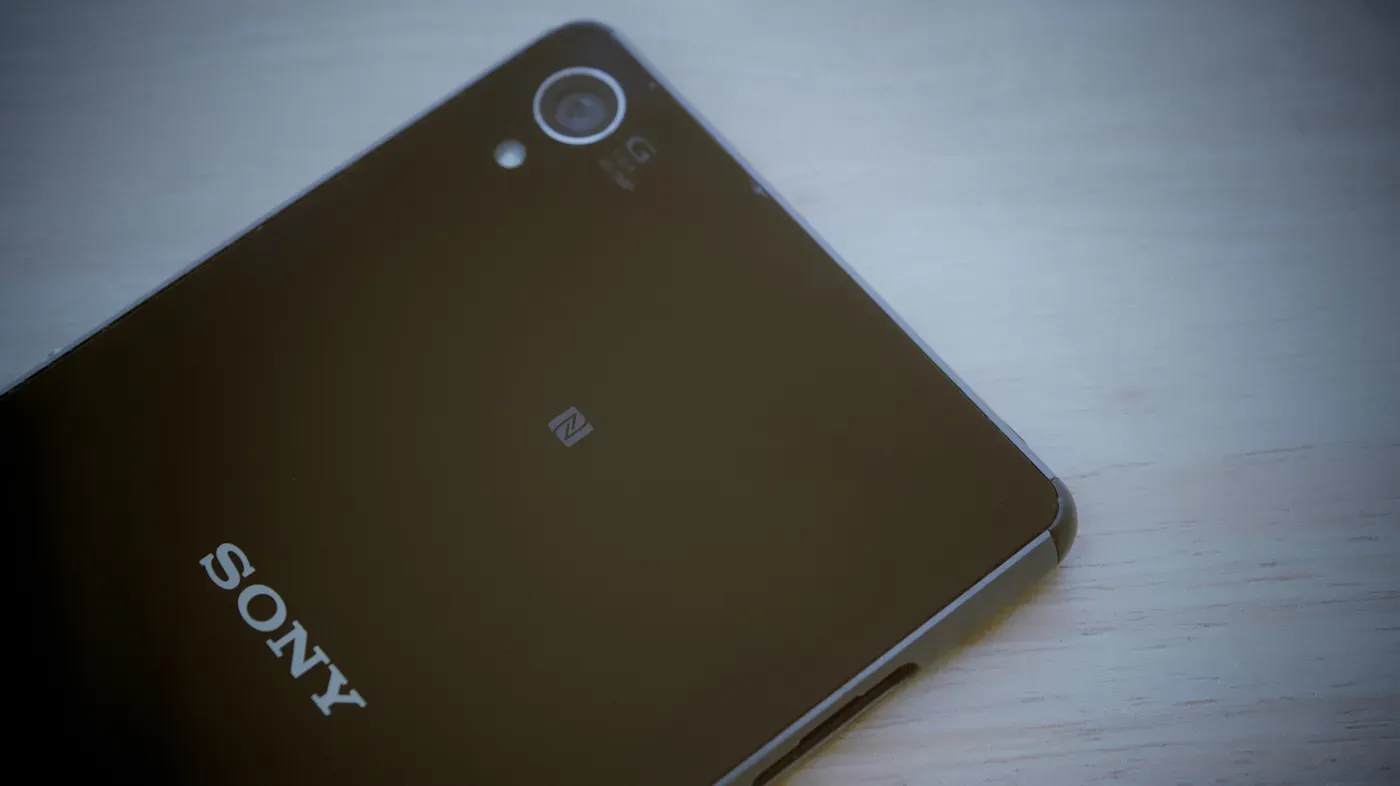
Sony's US mobile store has been significantly reduced, with only three products currently available for purchase - and none of them are smartphones. This is a far cry from the company's heyday when its Xperia phones were ubiquitous in American markets. The shift is particularly notable given Sony's history of innovation in the mobile phone sector.
The last high-end Sony smartphone sold officially in the US was the Xperia 1 V, released in 2023. Its successors have since skipped the US market altogether, leaving a gap for Americans who want to purchase and use these devices. This has created difficulties for those seeking to buy new Sony smartphones in the country.
Sony's focus on photography features in its Xperia phones has been a major selling point for enthusiasts. The manual camera controls, physical shutter button, and ability to use the phone as a display for compatible Alpha cameras have all contributed to this appeal. However, these features may be lost on those who prioritize more basic smartphone functions.
While Sony's US mobile store is limited, the company's Xperia line remains active globally. This means that international buyers can still purchase and use the latest Xperia smartphones, but Americans must navigate alternative channels to do so. The disparity in availability has left a void for fans of the brand in the US market.
The reduction of Sony's US mobile store offerings has sparked curiosity among those who remember the company's presence in the American smartphone landscape. What led to this shift and what does it say about the current state of the mobile phone market? We'll explore these questions further as we examine the circumstances surrounding Sony's decision to scale back its US operations.
The decline of Sony's smartphone presence has been a gradual one, with the company's sales plummeting from 39.1 million units in fiscal year 2015 to just 2.9 million by 2020.
Meanwhile, other brands have made significant strides in the market. Chinese companies such as Xiaomi, Oppo, and Vivo have been expanding their global reach, while Apple has continued to dominate sales in both Japan and the US. In fact, by the end of 2022, Apple's iPhones accounted for half of all smartphones being used in the States.
Sony's struggles are not unique, however. Other brands have faced similar challenges in recent years. For example, LG shuttered its smartphone business in 2021, unable to compete with the likes of Apple and Samsung. Similarly, Microsoft's acquisition of Nokia's phone business in 2014 led to a significant decline in market share for the once-iconic brand.
Despite these setbacks, Sony has continued to release new smartphones, including the Xperia 1 V, which was released in 2023 at a price point of around $1,400. This is significantly more expensive than many other flagship phones on the market, but it does come with some unique features, such as a dedicated shutter button and expandable storage through microSD cards.
In recent months, Sony has announced several new smartphones, including the Xperia 1 VIII in May 2026, which starts at £1,399 ($1,880) in the UK. The midrange Xperia 10 VIII is available for £549 ($737), making it a more affordable option for those looking for a high-end smartphone without breaking the bank.
The fact that Sony is still releasing new smartphones despite its declining market share suggests that the company remains committed to this area of business, at least for now. However, with Apple and Samsung dominating the market and other brands struggling to compete, it's unclear how much longer Sony can maintain its presence in the smartphone industry.
Sony has managed to maintain its presence in certain markets despite the dominance of Apple and Samsung. The company continues to sell Xperia phones in Japan and select European countries like the UK, Germany, and France. However, there is no indication that these models will be released in the US market.
Some owners of imported Xperia 1 VIII and VI models have reported connectivity issues with their carriers. Specifically, users on Reddit noted that they received LTE service but not 5G, while others experienced a loss of 5G capabilities after updating their devices. Although these reports are anecdotal and don't necessarily indicate widespread problems, Sony's own documentation suggests that network compatibility was already a concern even when the company officially sold phones in the US.
Despite these challenges, Sony is committed to supporting its Xperia line with regular software updates. The latest flagship model promises up to four Android OS upgrades and six years of security patches, providing loyal customers with ongoing value. Nevertheless, purchasing an imported phone that may not offer full carrier support could be a costly decision for those seeking seamless connectivity.
Facts based on reporting originally published by Engadget.
You may republish this story, in full or in part, if you credit News Central Site and link to it (licence CC BY 4.0). Photos are not included.