Pope Leo XIV's Visit to Argentina Draws Large Crowds
The visit of Pope Leo XIV has drawn millions of Argentines who are enthusiastic about the Catholic Church.
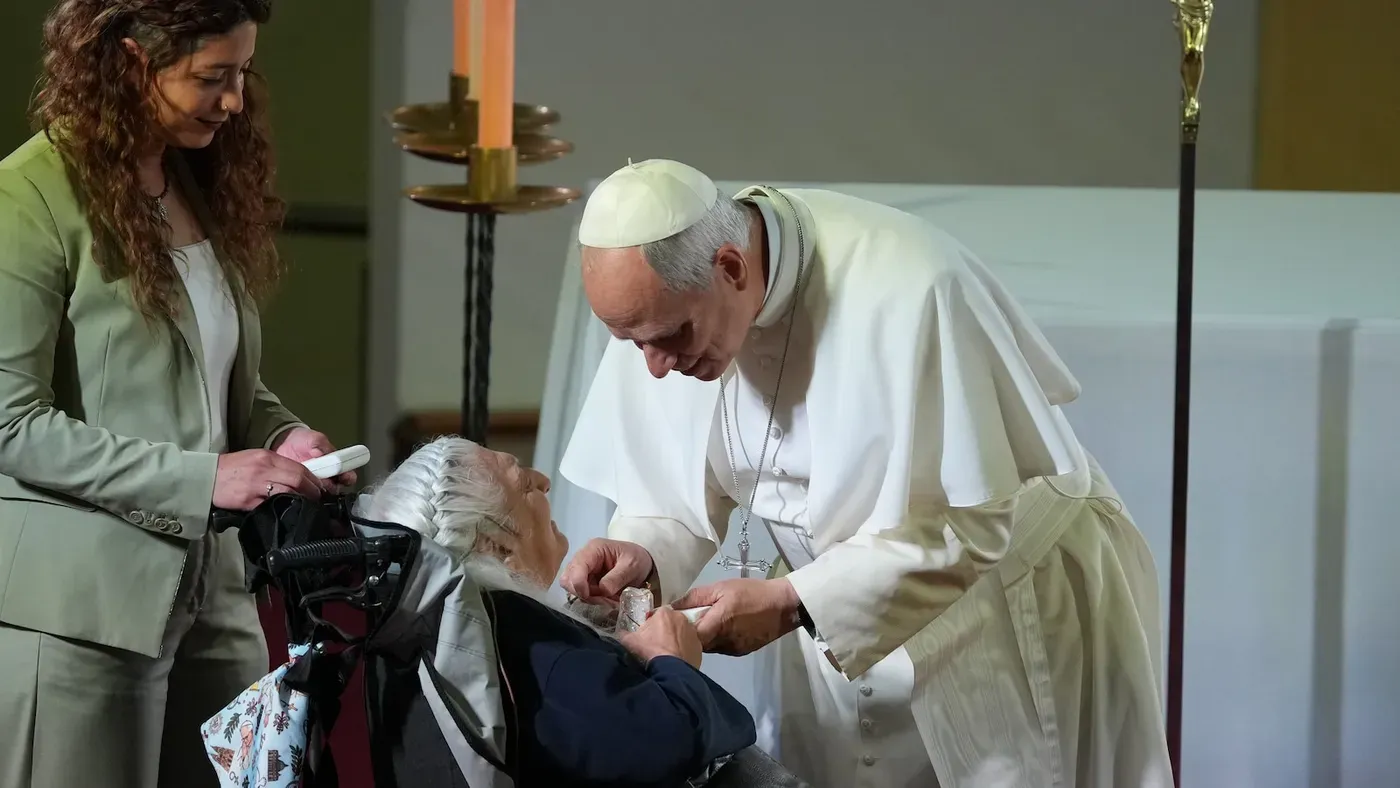
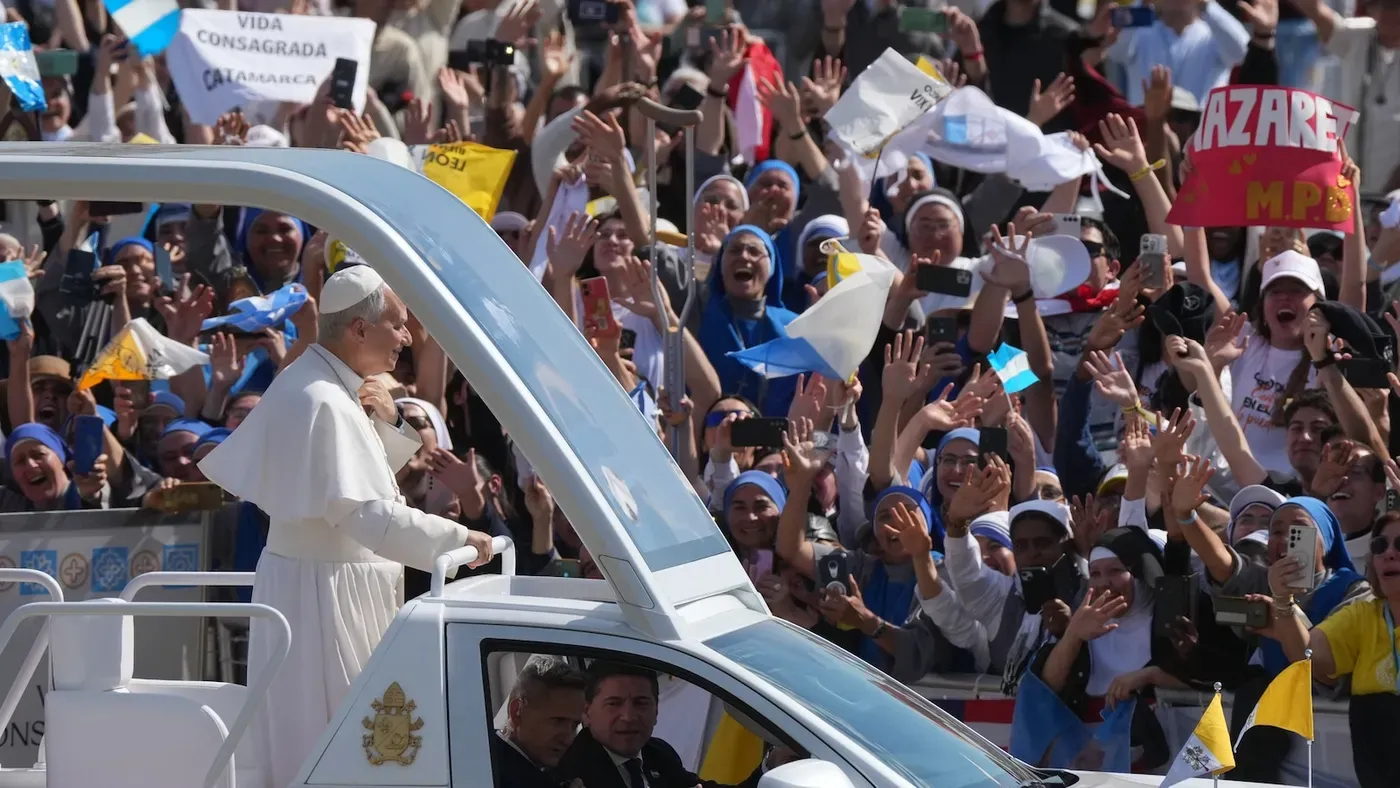
Millions of Argentines have flocked to see Pope Leo XIV in a remarkable display of enthusiasm for the Catholic Church.
The crowds that packed the parks of Buenos Aires were largely made up of young people, a demographic that had been feared by some to be abandoning their faith.
The words that resonated most with these young Argentines often came from Pope Francis, who was not only Leo's Argentine predecessor but also a key figure in his message. When Leo promised an open church, he echoed the familiar phrase "todos, todos, todos used by Francis - everyone, everyone, everyone.
This emphasis on inclusivity and accessibility is central to Francis' legacy, which has been reevaluated in recent years. Many now see him as a unifying figure who left behind a lasting impact not just on Argentina but also the global Church.
Pablo Forni, a sociologist at Conicet, notes that Leo's visit has shed new light on Francis' achievements, allowing Argentines to reexamine their past perceptions of him.
Billboards plastered across Buenos Aires featured the face of Pope Leo alongside that of Pope Francis, creating a sense of unity between the two leaders.
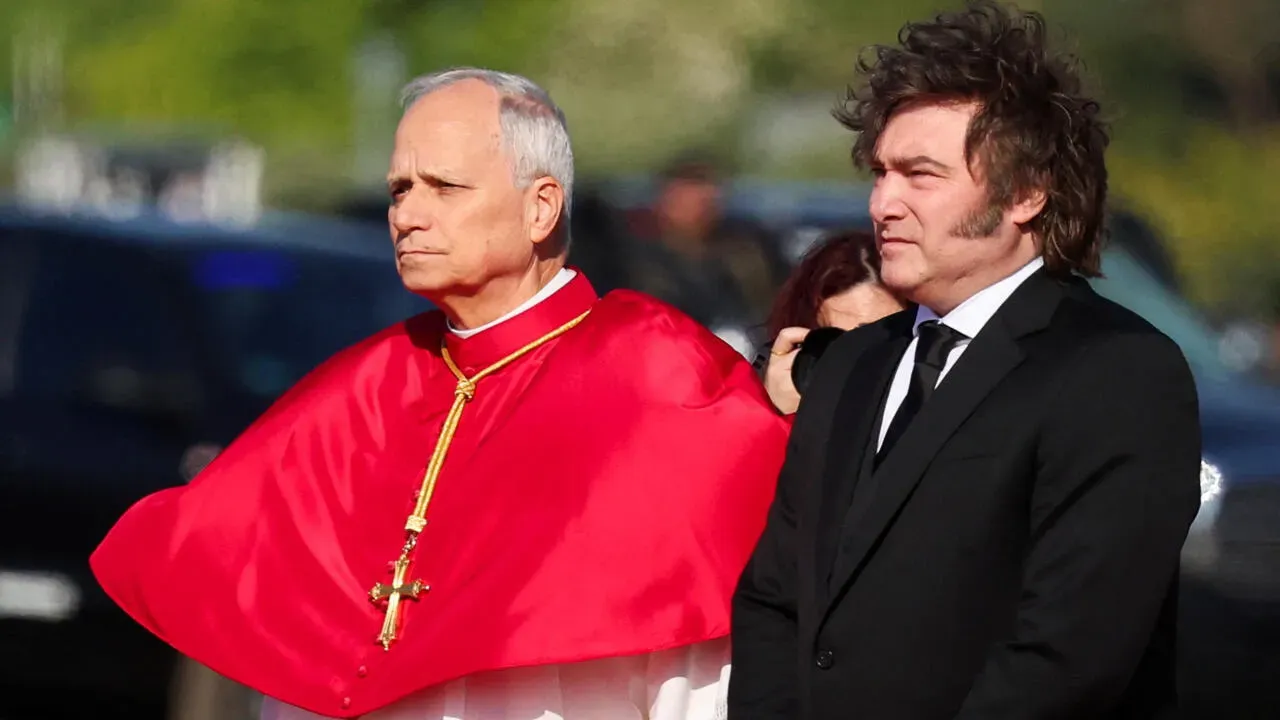
The streets were filled with pilgrims waving signs proclaiming Francisco y León, un solo corazón - a message of shared purpose and solidarity. Even President Javier Milei, who had previously denounced Francis as the representative of evil on earth, was in attendance at Leo's welcome ceremony.
Milei's surprising gesture was met with applause from his political allies and opponents alike, as he hailed Francis as the most important Argentine in history. This sudden change of heart has left many wondering about the complexities of Argentina's relationship with its former pontiff.
As archbishop of Buenos Aires, Francis - then Jorge Mario Bergoglio - played a crucial role in mobilizing the church during Argentina's 2001 economic crisis. He worked tirelessly to provide aid to those affected by the crisis, sending priests into the slums and opening soup kitchens, schools, and drug rehab centers.
However, his efforts were not without controversy, as he clashed with Peronist leaders over issues such as same-sex marriage. Despite this, Francis' concern for the poor eventually won over many Peronists, who saw their priorities reflected in his criticism of unbridled capitalism and outreach to marginalized communities.
Pope Leo's visit to Argentina has been a deliberate attempt to bridge the divide created by his predecessor, Pope Francis.
Francis' papacy was marked by controversy in Argentina, where many initially welcomed him but later grew disillusioned with his criticism of unbridled capitalism and outreach to marginalized communities.
Local church leaders acknowledge that Francis' forthright style often alienated some segments of the Catholic community worldwide, including those who felt he was too confrontational in his dealings with Vatican officials.
Despite this, Francis' legacy is being carried forward by Pope Leo, a former missionary in Peru who has been praised for his ability to navigate complex issues with greater tact and diplomacy than his predecessor.
Cardinal Pedro Barreto, a close ally of Francis, credits the Argentine pope with breaking down barriers and paving the way for future reform efforts within the church.
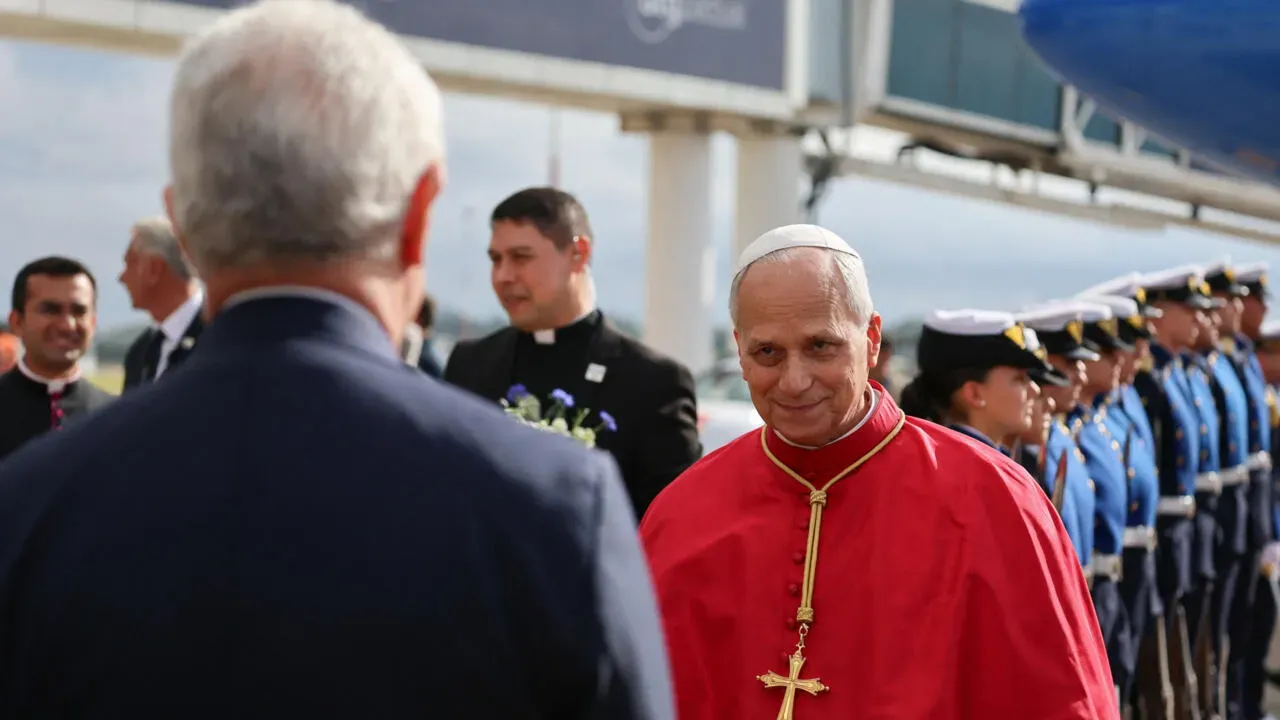
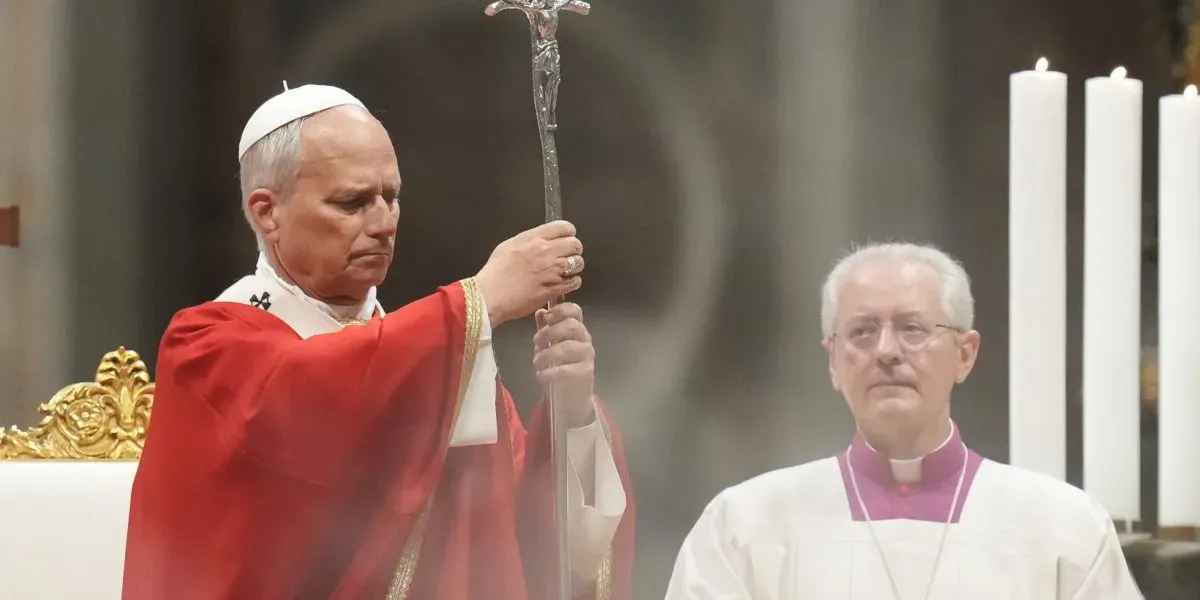
Pope Leo's four-day visit to Argentina has been hailed as a homage to his predecessor, Pope Francis. He followed in Francis' footsteps, paying respects at key locations around the country.
At Francis' old cathedral, Leo prayed and reflected on the legacy of the Argentine pope who once sparked controversy among Argentines with his progressive views. The cardinal's words were echoed by former Argentine ambassador Carlos Custer, who described Francis as a unifying figure whose presence was felt throughout the country.
In addition to honoring Francis' memory, Pope Leo has also used his platform to revive some of the rallying cries that made Francis so beloved and divisive among Argentines. In Córdoba, he echoed Francis' call for young Catholics to make a mess in their dioceses, urging them to shake things up.
The phrase was met with enthusiasm by a diverse audience that included garbage pickers and business leaders who are part of Argentina's popular movements. Pope Leo also invoked the three Ts, land, housing, and work, which have become a rallying cry for many in the country.
The visit by Pope Leo has brought a sense of continuity to Argentina's relationship with its former leader, Pope Francis. According to theologian Rev. Carlos María Galli, this continuity extends to key aspects such as their shared message of peace and love for the poor.
Politicians in Argentina are now scrambling to associate themselves with Pope Leo's message, seen as a way to counterbalance criticism from other quarters. Governor Axel Kicillof has hailed the visit as very necessary" given the current climate, while Vice President Victoria Villarruel has defended social justice, blaming its negative connotations on ignorance and fanaticism.
Some are hailing the decision by Pope Francis to send Pope Leo as his emissary, citing its potential to neutralize politics. Even Milei's spokesman, Adrián Ravier, is attempting to distance the government from the visit by emphasizing its economic benefits.
The choice of Pope Leo has also allowed him to speak on behalf of the church without being seen as a partisan figure. This is according to sociologist Gustavo Morello, who notes that if Pope Francis had made similar statements and visits, they would have been perceived as highly politicized.
Pope Leo's efforts have helped shift public opinion in Argentina, making it more accepting of Pope Francis' policies and actions that were once divisive. This change can be attributed to the pope's visits and statements, which were initially seen as highly politicized.
The Argentine people are now embracing Pope Francis' ideas with greater ease, thanks in part to Pope Leo's influence.
Facts based on reporting originally published by ABC News International.
You may republish this story, in full or in part, if you credit News Central Site and link to it (licence CC BY 4.0). Photos are not included.