US Unveils New Regulations on Exporting Advanced AI Chips to China
The Trump administration has unveiled new regulations aimed at limiting China's access to cutting-edge artificial intelligence chips, sparking debate over loopholes in chip export restrictions.
The Trump administration has unveiled new regulations aimed at limiting China's access to cutting-edge artificial intelligence chips, sparking debate over loopholes in chip export restrictions.
The move comes as scrutiny intensifies on the Commerce Department's handling of chip exports, with concerns raised about the potential for sensitive technology to fall into Chinese hands. Advanced AI chips like Blackwell have been a particular focus of attention, due to their potentially transformative capabilities.
The new rules impose stricter controls on overseas data centers, effectively preventing China from accessing powerful computing resources remotely through these facilities. This measure is designed to prevent the circumvention of export restrictions via sophisticated smuggling operations.
Singapore, Malaysia, Thailand, Indonesia, and Brazil have been identified as key locations for potential smuggling routes, prompting the introduction of additional curbs on chip exports to these countries. The move reflects growing concerns about the ease with which China has exploited existing loopholes in the system.
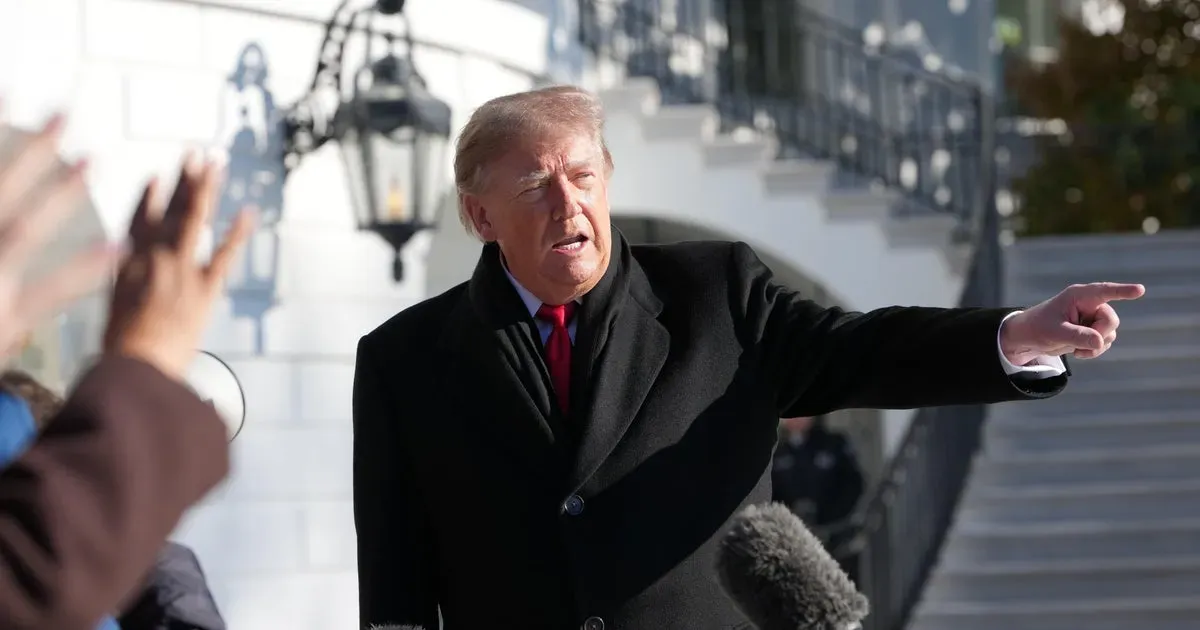
As President Trump prepared to depart for a trip to China, he addressed questions surrounding the relationship between Nvidia and Chinese interests, emphasizing that former CEO Jensen Huang was only permitted to sell outdated technology to Beijing.
The US government is working to address concerns surrounding the export of advanced AI chips to China. A new rule issued by the administration aims to plug a loophole that allowed Chinese researchers to access these sensitive technologies through remote means. The move has been welcomed by national security professionals and lawmakers who have long pressed for action on this issue.
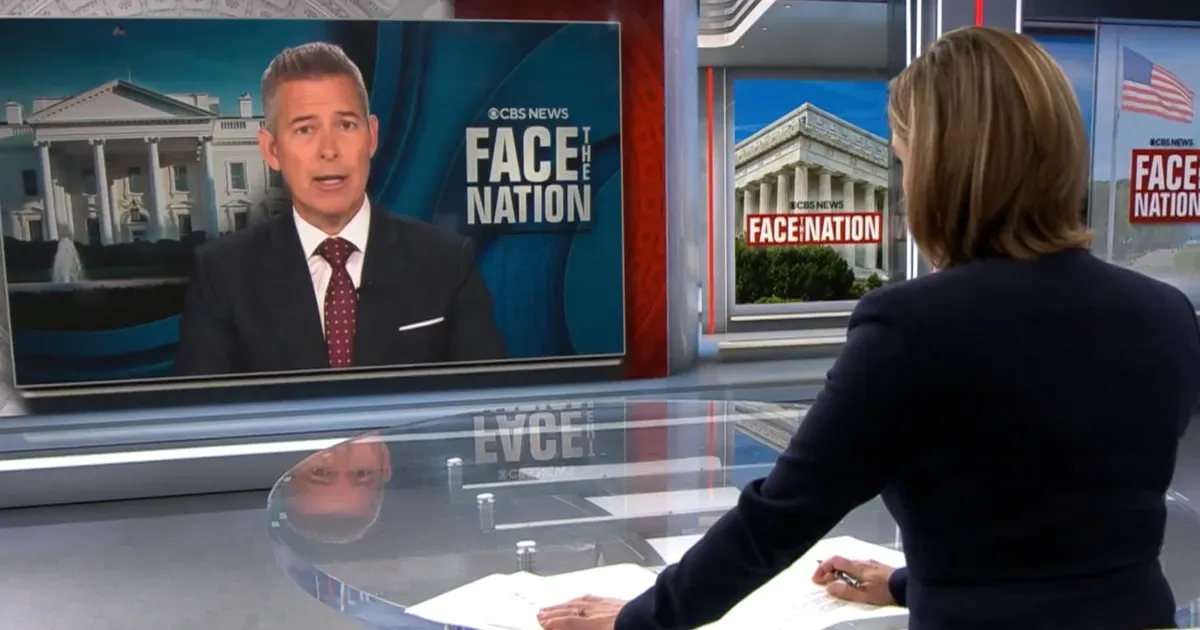
Liza Tobin, a former director at the National Security Council, joined Amna Nawaz to discuss the implications of this new rule. As managing director at Garnaut Global, a firm that advises on geopolitical risks, Tobin brings valuable expertise to the conversation. Her insights provide context and help clarify the complexities surrounding the export of advanced AI chips.
The key variable in this equation is compute power, specifically the advanced AI chips designed by Nvidia and manufactured at TSMC in Taiwan. In 2022 and 2023, the Biden administration restricted direct exports of these chips to China, but a shadow trade emerged as Chinese researchers found ways to access them remotely from countries like Malaysia, Indonesia, and Singapore.
This gray area had been exploited for some time, with many arguing that it posed significant national security risks. The pressure to close this loophole has grown steadily, with both professionals and lawmakers calling for action. The new rule is seen as a crucial step in addressing these concerns and preventing further exploitation of sensitive technologies.
Tobin emphasized the importance of this new rule, noting that it's long overdue. As the US prepares to engage with China on various fronts, including trade and security, closing this loophole sends a clear signal about the administration's commitment to protecting national interests.
The Commerce Department has issued a new rule aimed at closing a loophole that allowed China to access advanced AI chips from US companies. This move comes as the administration prepares for high-level talks with Beijing on various fronts. The rule is seen as a significant step in protecting national interests.
Liza Tobin, an expert on trade and technology policy, suggests that the new rule will have real-world implications, rather than just being a matter of saving face. According to her, President Trump's policy has been clear for several months: it's acceptable to sell China older generation AI processors known as H200 chips, but not Nvidia's most advanced Blackwell chips.
The discrepancy between the administration's stated policy and China's actual access to these chips has been a contentious issue for some time. Until now, China has managed to obtain the more advanced Blackwell chips through backdoor channels in other countries. This gap is being bridged with the introduction of the new rule.
The move is significant given that it comes just as President Trump prepares to meet with Chinese leader Xi Jinping in Beijing. The meeting has been anticipated for a long time, and the administration's actions suggest that they are taking steps to address concerns about China's access to sensitive technology.
Experts point out that there is a clear split within the administration on this issue, with most Cabinet members advising the president to take action to close the loophole. However, it remains to be seen whether this new rule will have any impact on the ongoing negotiations between the two countries.
The US government is scrambling to close a loophole that allowed Chinese companies to obtain advanced AI chips from American manufacturers. This move comes after President Biden drew a clear line in the sand, allowing H200 chips but blocking Blackwell chips due to national security concerns.
Despite the president's assertions that the chips sent to China were largely obsolete and did not pose a risk to national security, it appears that may not be entirely true. According to sources close to the matter, these chips are actually quite advanced and significantly better than anything China can produce on its own at Huawei or SMIC facilities.
The involvement of Jensen Huang, co-founder and CEO of Nvidia, is also under scrutiny in this affair. As a frequent visitor to the White House and essentially acting as the president's chief technology officer, Huang allegedly misled the president about the capabilities of these H200 chips last year. They are far more advanced than initially thought.
In fact, these chips have been instrumental in advancing China's AI ambitions, making them a prized commodity on the global market. However, their diversion into China through shell companies like Megaspeed has raised red flags with US authorities. The company, run by Alice Huang, has been accused of facilitating the smuggling of Blackwell and other advanced chips into China.
The president's decision to block Blackwell chip exports is seen as a crucial step in addressing this issue. But it remains to be seen how effective this new rule will be in preventing further unauthorized shipments of these high-tech components.
US officials are now working to plug the loophole that allowed Chinese companies to access these advanced chips in the first place, but the full extent of the problem and the impact of this move on ongoing negotiations between the two countries remains unclear.
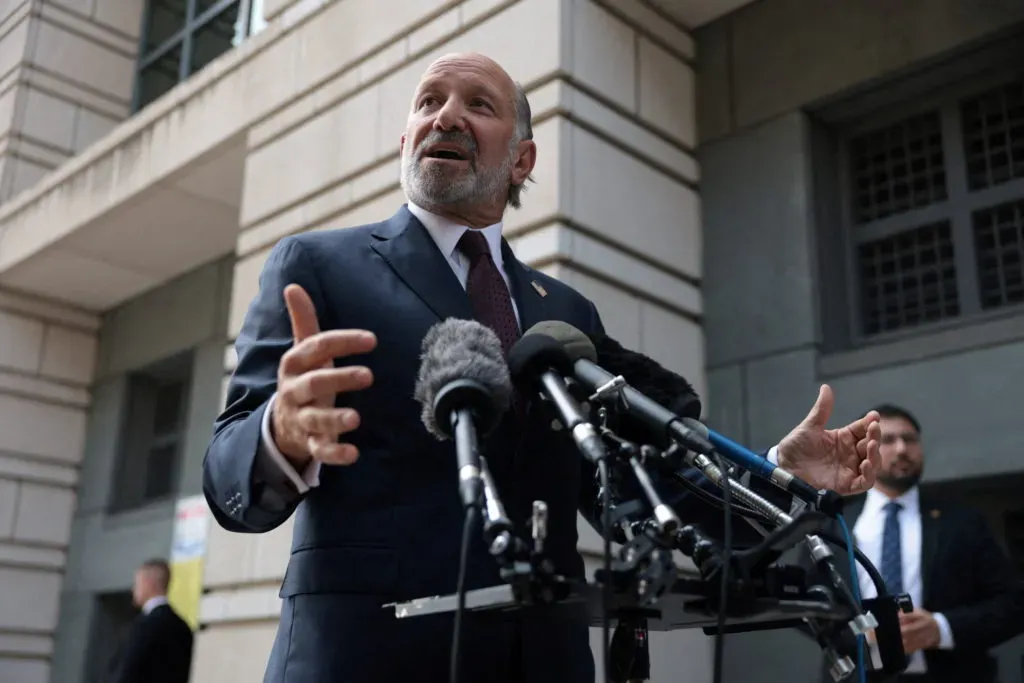
The investigation into Nvidia's alleged influence on US regulatory bodies has taken a new turn, with reports suggesting that Howard Lutnick, a former official at Cantor Fitzgerald, may have played a key role in weakening chip rules.
Lutnick's connections to Nvidia and the data center trade in Southeast Asia are now under scrutiny, with lawmakers likely to delve deeper into the relationship between his former firm and Nvidia. The Commerce Department's dual role as a promoter of international trade and a law enforcement agency has raised concerns about its handling of chip smuggling cases.
According to experts, the situation appears to be a case of regulatory capture, where Nvidia allegedly exerted influence over the Commerce Department to block investigations into chip smuggling and other illicit activities. This has sparked questions about the department's ability to enforce laws governing the export of advanced chips.
The fact that information about chip smuggling was presented to the Secretary of Commerce on multiple occasions without any action being taken has raised eyebrows, with critics pointing out the need for greater transparency and accountability within the agency. The link between Lutnick's former firm, Cantor Fitzgerald, and Nvidia is seen as a critical aspect of this investigation.
As US officials work to plug the loophole that allowed Chinese companies to access advanced chips, the full extent of Nvidia's influence on regulatory bodies remains unclear, with many questions still unanswered about the company's role in shaping US trade policies.
The Nvidia board has issued a statement clarifying their focus on the ongoing investigation into the company's practices. According to the statement, they are currently preoccupied with the inquiry and do not intend to revisit Jensen Huang's tenure as CEO in the near future.
This development comes amidst heightened scrutiny of Nvidia's ties to regulatory bodies, with many questions still unanswered about the extent of their influence. The recent investigation has shed light on a loophole that allowed Chinese companies to access advanced AI chips, prompting US officials to work towards plugging this gap.
As the situation unfolds, it appears that Jensen Huang's return as CEO is unlikely in the immediate future, with the Nvidia board signaling their commitment to seeing the investigation through its conclusion.
Facts based on reporting originally published by PBS NewsHour World.
You may republish this story, in full or in part, if you credit News Central Site and link to it (licence CC BY 4.0). Photos are not included.