Nvidia at Center of Dispute Over Advanced Technology Exports to China
A public spat has erupted between two senior members of President Trump's administration over a high-stakes issue: controlling advanced technology exports to China.

A public spat has erupted between two senior members of President Trump's administration over a high-stakes issue: controlling advanced technology exports to China. The controversy centers around Nvidia, a leading US-based chipmaker whose products are used in artificial intelligence and other cutting-edge technologies.
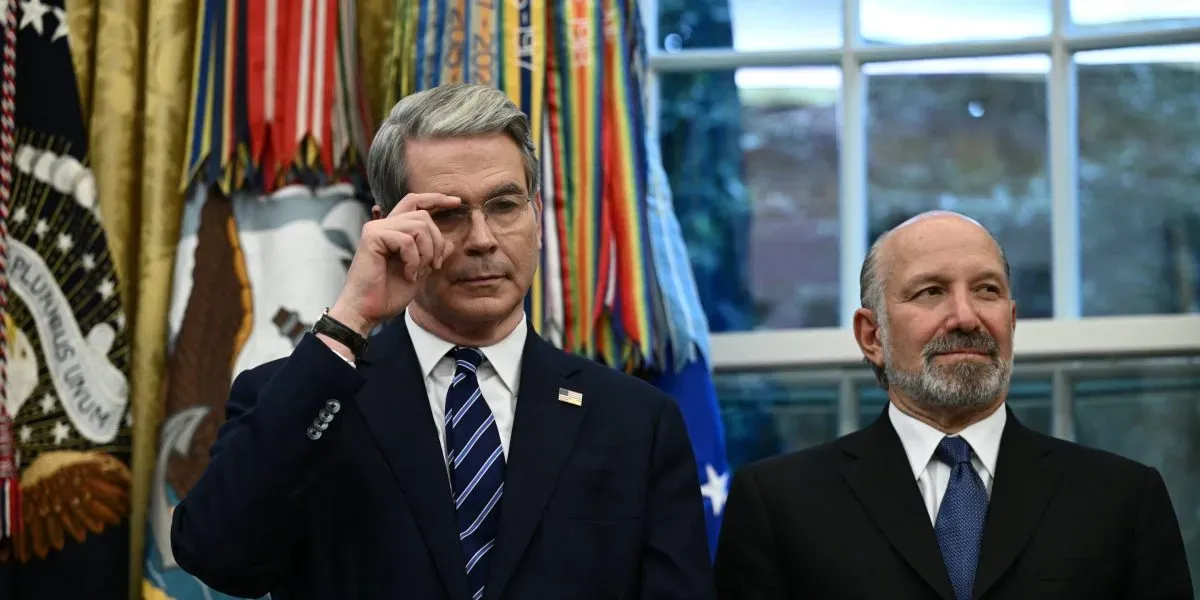
At the heart of the dispute is an accusation made by Treasury Secretary Scott Bessent against Commerce Secretary Howard Lutnick. According to Bessent, Lutnick failed to prevent China from obtaining Nvidia's most advanced chips, a move that could compromise national security and give Beijing a strategic advantage in emerging technologies.
The issue has significant implications for the US-China trade relationship and reflects broader tensions between the two nations over technology transfer and intellectual property rights. With the stakes so high, it remains to be seen how this public disagreement will play out within the Trump administration and beyond.
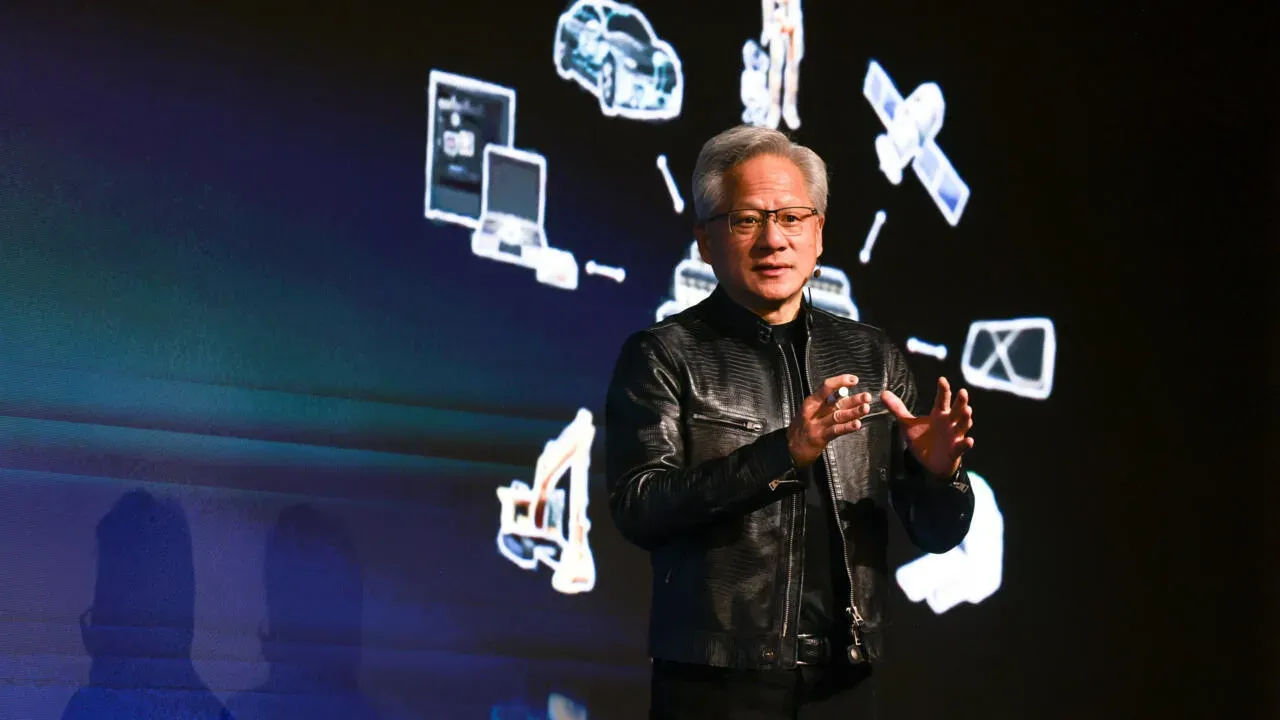
The relationship between the US government and China is complex, with different agencies having varying levels of influence over trade policies. Jensen Huang, CEO of Nvidia, has expressed his affection for China, a sentiment that may have implications for the company's dealings in the country.
Huang has been involved with Howard Lutnick, a key figure in the Trump administration, who shares his enthusiasm for China. According to reports, Lutnick wants Chinese companies to continue using American technology, including Nvidia's products. This stance is at odds with international concerns about the potential misuse of advanced chips by Beijing.
Last year, the US Commerce Department and the Trump administration loosened restrictions on China buying less advanced Nvidia chips. However, this move may have inadvertently allowed companies collaborating with Beijing, such as Megaspeed, to gain access to more sophisticated technology.
The export of high-end Nvidia graphics processing units (GPUs) has been a contentious issue in the US-China tech rivalry. According to Scott Bessent, frustration grew when President Trump made it explicitly clear that China should not receive advanced Nvidia chips beyond the H100 model.
This stance was motivated by concerns about China's growing lead in artificial intelligence (AI). Chris McGuire, a senior fellow at the Council on Foreign Relations and former director of technology on President Biden's National Security Council staff, notes that if Chinese access to these chips were restricted, they would be significantly behind the US in AI development.
The export restrictions have been continued into the Biden administration, with new regulations implemented in early 2025 requiring most foreign companies to obtain Commerce Department permission before purchasing advanced chips.
The Commerce Department's decision to waive enforcement of its export restrictions on Nvidia chips has left foreign companies free to purchase them without permission.
In May 2025, a new regulation was set to take effect, requiring most foreign companies to obtain approval from the Commerce Department before buying advanced chips from US-based companies like Nvidia.
However, just two days before the regulation went into effect, the department announced that it would not be enforcing it, effectively allowing companies like Megaspeed to continue purchasing chips without restriction.
As a result, Megaspeed was able to buy whatever it wanted without interruption.
Megaspeed's ability to acquire Nvidia chips without interruption has significant implications for America's national security. The country's advantage in AI development could be lost if export controls are not properly implemented.
The debate surrounding America's stance on exporting advanced technology to China will likely continue, with some arguing that it is a necessary step to maintain global competitiveness. Meanwhile, others believe that the risks associated with such exports outweigh any potential benefits.
Facts based on reporting originally published by PBS NewsHour World.
You may republish this story, in full or in part, if you credit News Central Site and link to it (licence CC BY 4.0). Photos are not included.