US Presidents Meet at Historic Summit
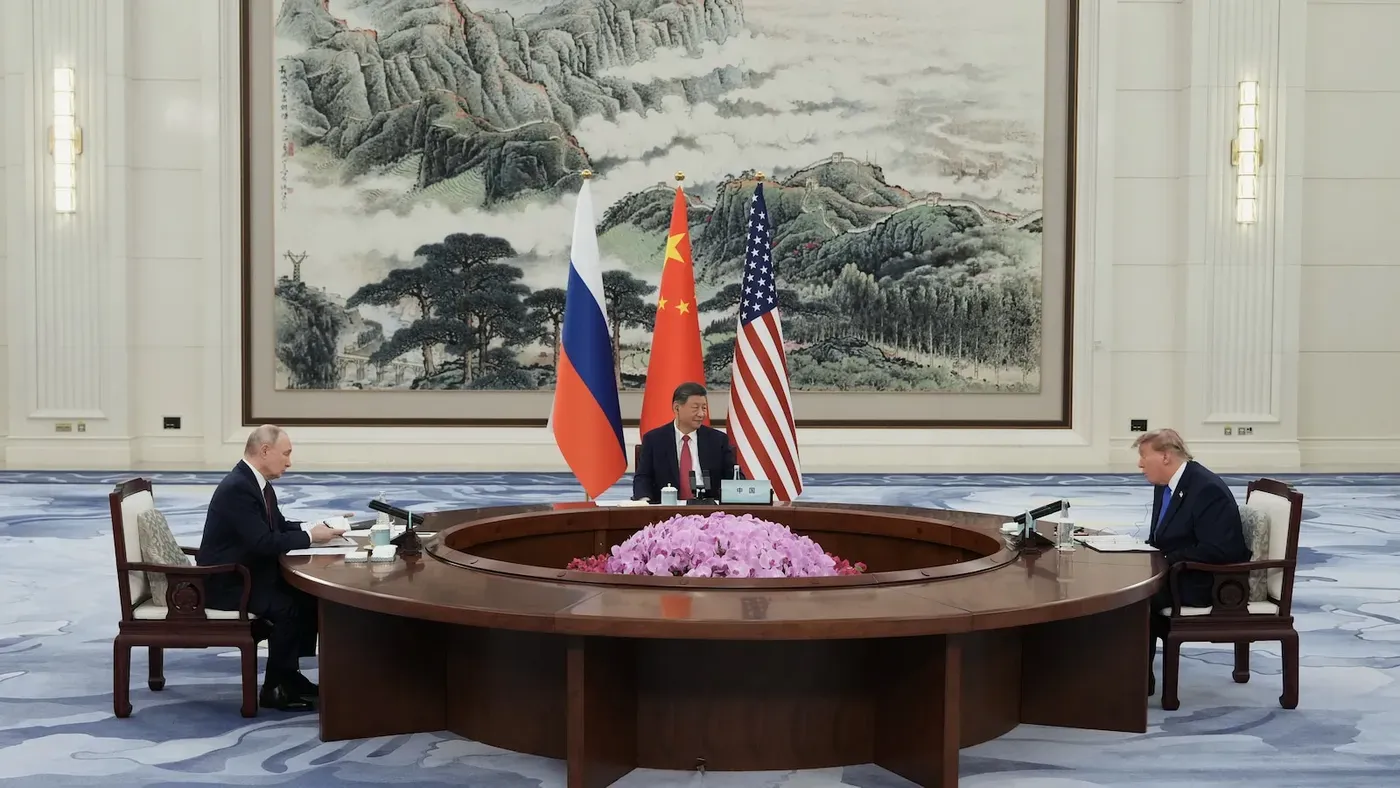
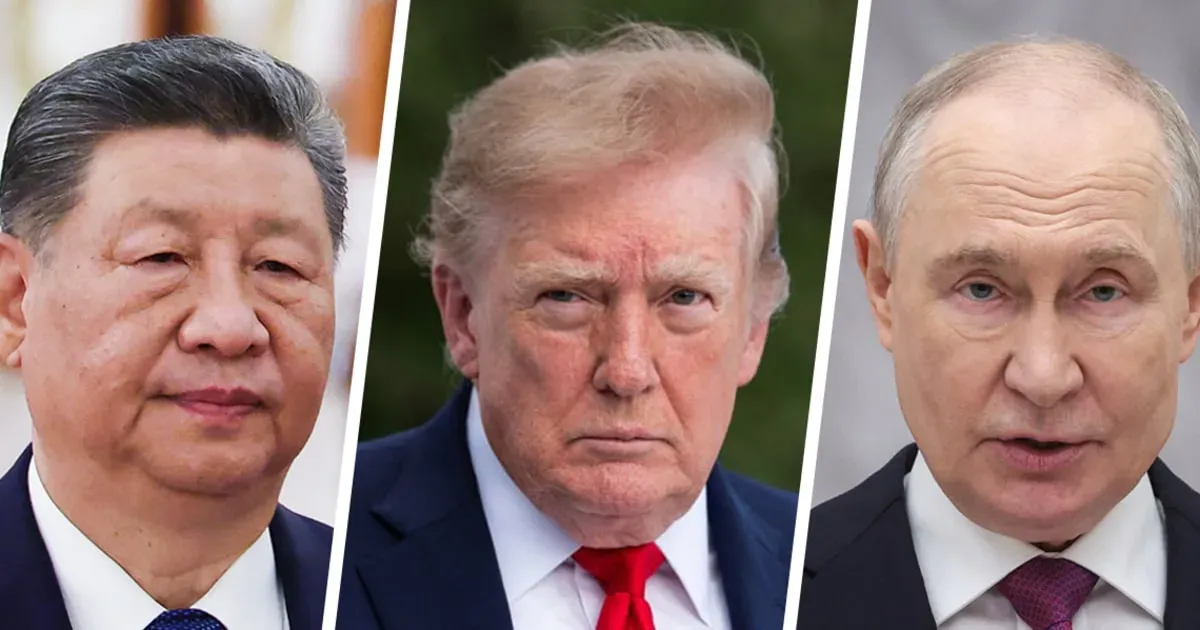
The summit between US President Donald Trump, Chinese President Xi Jinping, and Russian President Vladimir Putin has come to an end, marking a historic moment in global diplomacy.
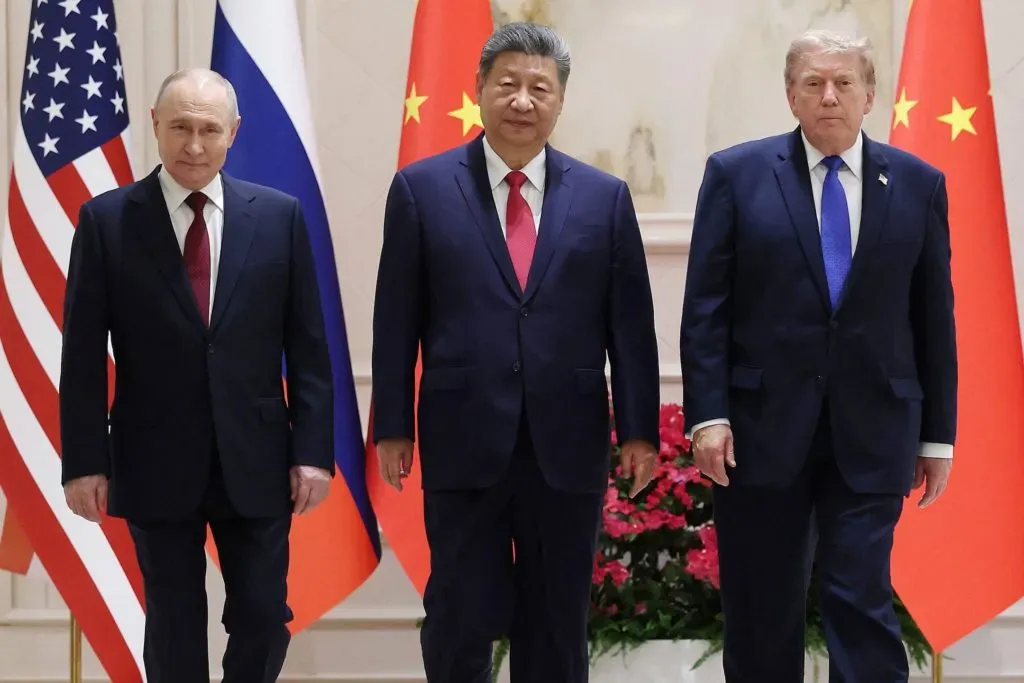
The highly anticipated summit between US President Donald Trump, Chinese President Xi Jinping, and Russian President Vladimir Putin has come to an end, marking a historic moment in global diplomacy.
A joint statement released by the leaders includes commitments to increase oil production and engage in formal discussions about nuclear disarmament, a significant development in the pursuit of arms control. The meeting's success is being hailed as a major achievement, with all parties agreeing that it marks a new era of cooperation between their nations. However, experts note that despite these optimistic declarations, underlying tensions between the countries remain.
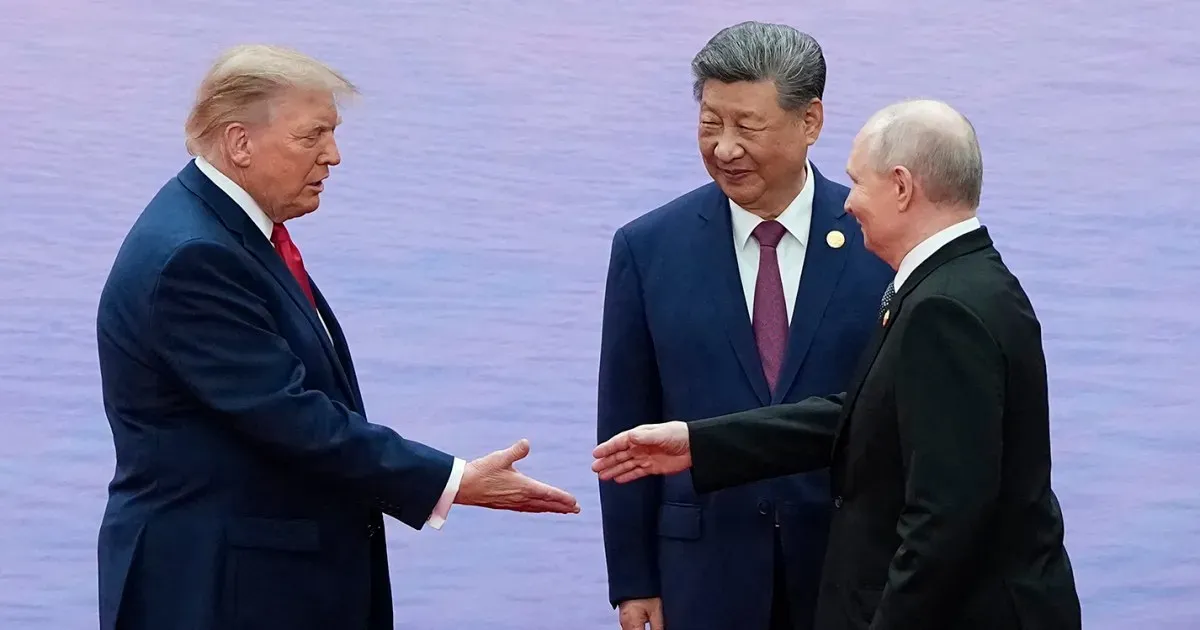
The summit's most striking image was captured on camera: President Trump walking alongside Xi Jinping and Vladimir Putin, his expression largely inscrutable as he navigated the complexities of the trilateral meeting. The leaders' body language spoke volumes about the challenges they face in building trust among their nations. Despite these difficulties, all parties seem to be committed to maintaining a dialogue.
As details emerge from the summit, officials are emphasizing the significance of the arms control language included in the joint statement. According to insiders, this development is being touted as one of the key successes of the meeting, reflecting a shared desire among the nations to reduce tensions and work towards greater cooperation. However, questions remain about how these lofty goals will be achieved in practice.
The meeting between the world's three preeminent nuclear powers has taken a significant step towards formalizing their collaboration in maintaining global peace. President Donald Trump emphasized that opportunities for engagement are crucial to forging lasting peace, while Russian President Vladimir Putin echoed the historical precedent of the Yalta summit by acknowledging joint responsibility with China and the United States.
In a nod to history, Putin stated through an interpreter that the three nations emerged victorious from World War II and now share a collective duty in safeguarding international stability. This assertion is particularly notable given ongoing tensions between Russia and the West, including Ukraine's efforts to hold Putin accountable for alleged war crimes and plans to pursue dialogue on nuclear disarmament.
China has historically been hesitant to engage with American proposals for arms control, but Trump expressed optimism that the three nations are uniquely positioned to reduce global nuclear risks. He noted that by working together, they can not only decrease the number of nuclear weapons in existence but also mitigate the threat of their use.
The significance of this summit lies in its potential to establish a framework for cooperation on some of the world's most pressing issues, including non-proliferation and reducing the likelihood of nuclear conflict.
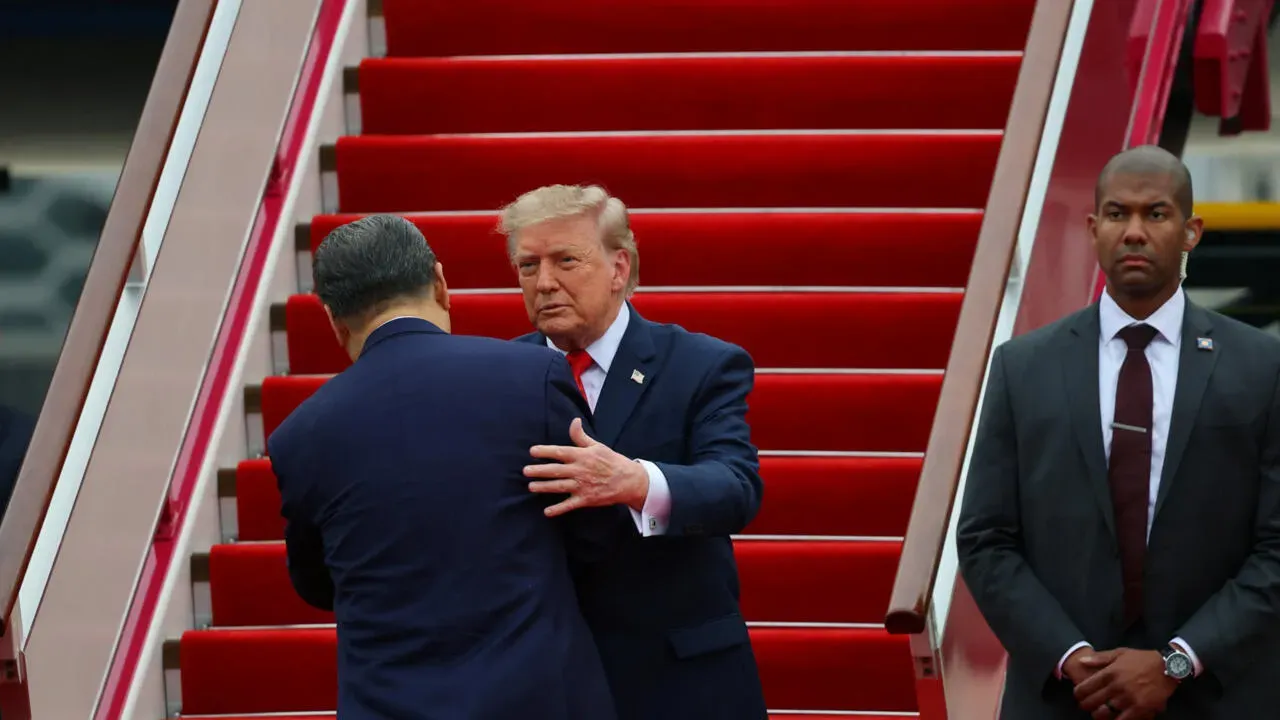
The body language between Donald Trump and his counterparts at the summit was telling, with Xi Jinping holding onto the arm of the US President as they strolled together. This physical gesture spoke volumes about the personal connections that Trump has been trying to forge with these world leaders. For someone who prioritizes building relationships over diplomatic protocol, Trump's interactions with Putin and Xi were a key focus point for observers.
Despite the warm exchanges between Trump and his counterparts, there was a clear sense of tension beneath the surface. When Xi's hand slipped out of Trump's grasp, the US President quickly reached out to reconnect, illustrating the delicate balancing act that he is trying to maintain in these high-stakes diplomatic meetings. For Trump, it's all about building trust with these strongmen and leveraging their relationships to drive progress.
Trump's emphasis on personal connections has been a hallmark of his presidency, but even an American leader cannot defy the laws of international relations entirely. As Poland's Prime Minister Donald Tusk pointed out earlier in the day, Putin will never be a friend to the West. This stark reality was a reminder that Trump's approach may not be enough to overcome the deep-seated divisions between nations.
The summit also highlighted the complex web of trade and economic relationships at play. With China restricting access to high-end chips for Taiwanese companies like TSMC, Beijing is exerting significant pressure on the global tech industry. Meanwhile, Xi Jinping was keen to remind Trump about the importance of keeping Taiwan in check, a reference to the ongoing delay of a weapons sale that has been a source of tension between Washington and Taipei.
State media reported that Xi had warned Trump to "keep doing the right thing on Taiwan," a veiled reference to the president's ongoing delay of a Taiwanese weapons sale. This warning was just one example of the many complex issues being navigated at this historic summit, where leaders are seeking to establish a framework for cooperation on pressing global challenges like non-proliferation and reducing nuclear conflict.
The agreement to ease trade tensions between the US and China is set to expire in just two months, despite President Trump's request to Xi that he increase agricultural purchases. This plea was made during a meeting where Trump acknowledged China's seemingly endless demand for goods. He expressed confidence that this appetite could be satisfied.
Meanwhile, Putin has been vocal about his disdain for democratic values, labeling them as a liberal attempt to dominate power. During a lengthy press conference, he posed the question "what is democracy?" only to characterize it as a form of liberalism that seeks to impose its will on others. This stance reflects a long-standing division between authoritarian and democratic nations.
As these leaders approach the twilight of their careers, they seem driven by a desire to shape history and leave lasting legacies. Their shared goal of defining the course of global events has brought them together in a historic summit, where cooperation on pressing issues like non-proliferation is being explored.
Facts based on reporting originally published by PBS NewsHour World.
You may republish this story, in full or in part, if you credit News Central Site and link to it (licence CC BY 4.0). Photos are not included.