US Presidents Fail to Reach Breakthrough on Trade War
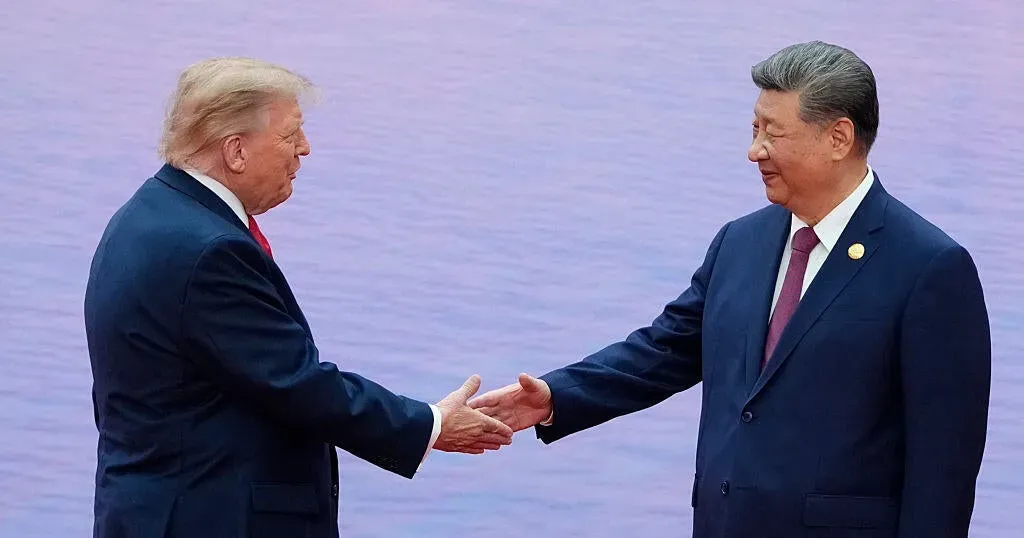
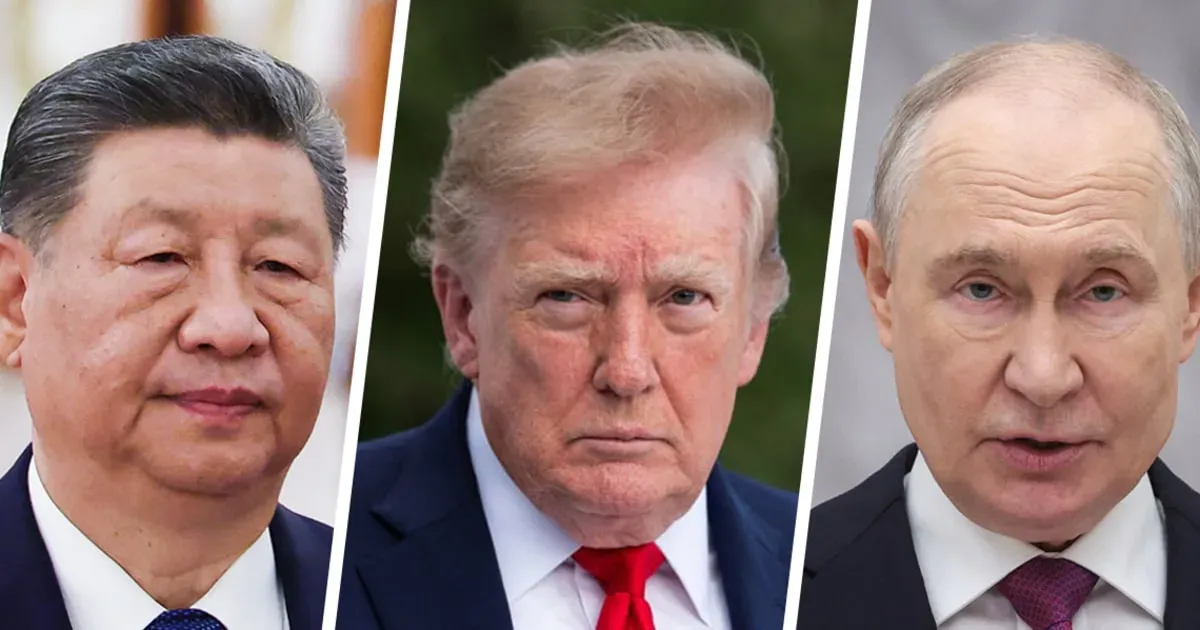
The meeting between US President Donald Trump, Chinese President Xi Jinping, and Russian President Vladimir Putin has concluded without major breakthroughs on the trade war between Washington and Beijing.
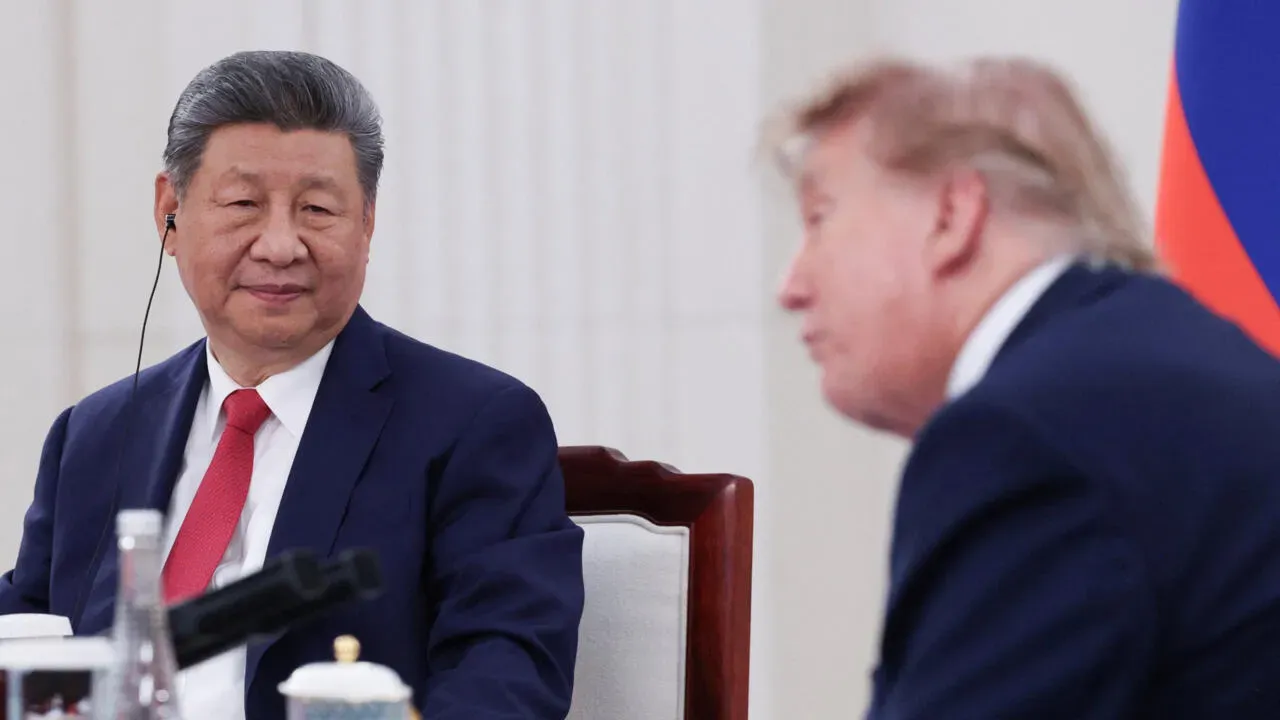
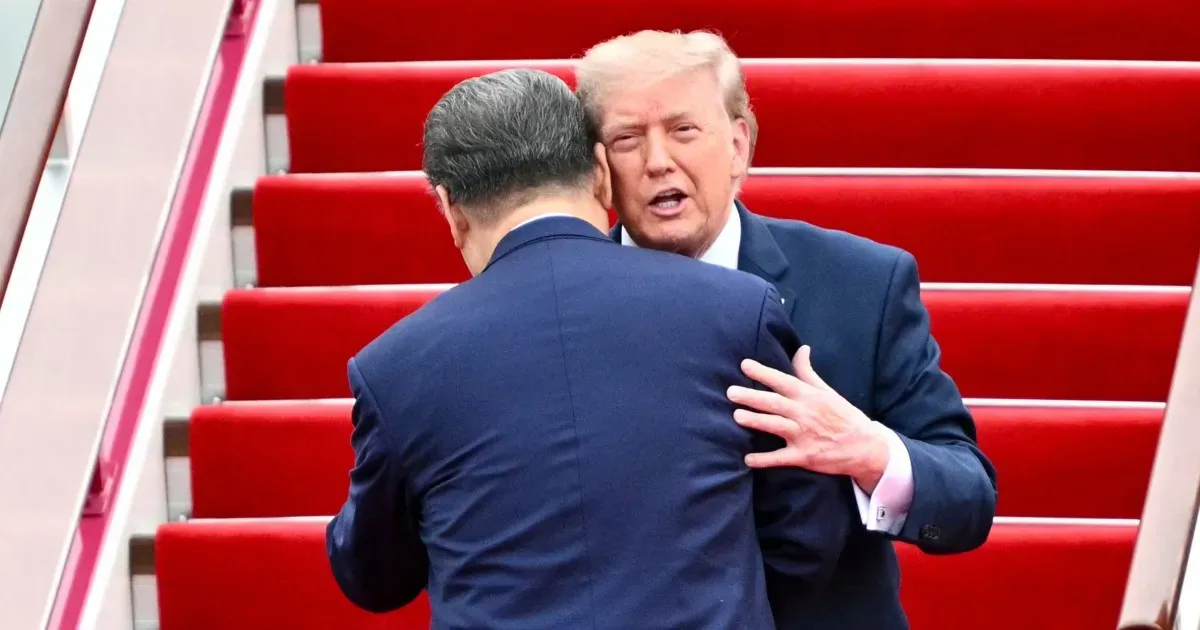
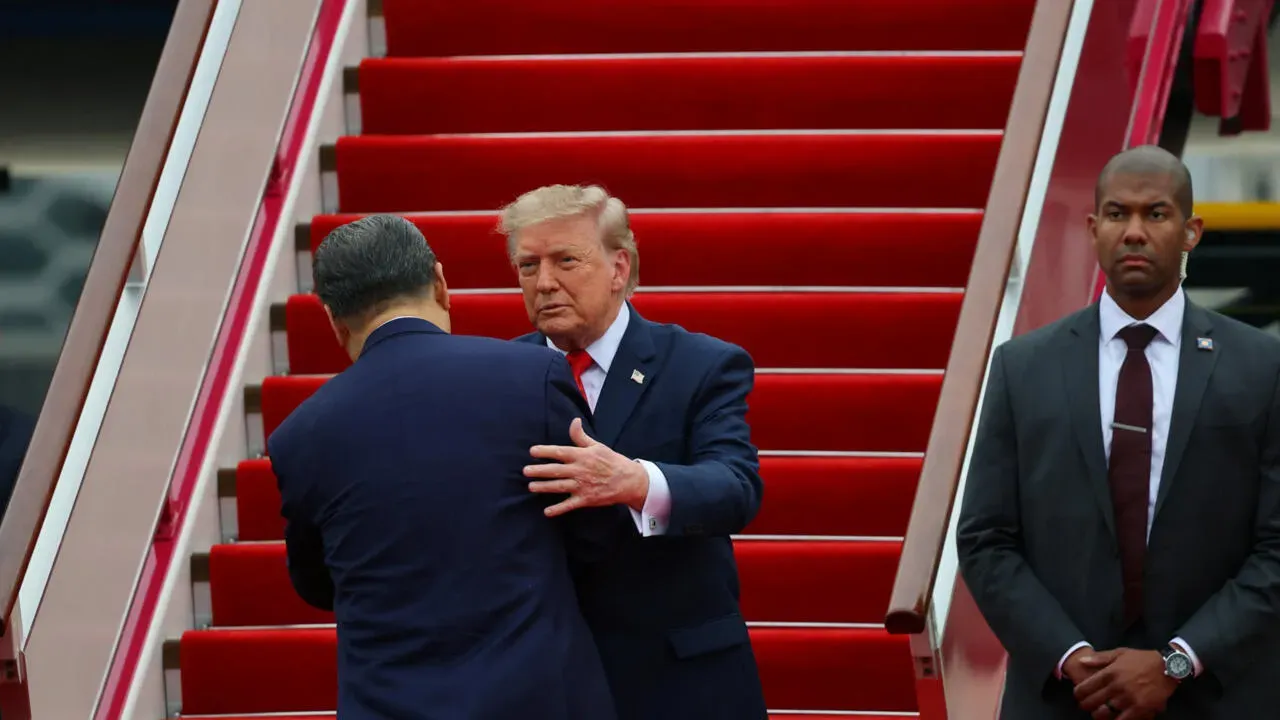
The highly anticipated three-way talks between US President Donald Trump and Chinese President Xi Jinping, accompanied by Russian President Vladimir Putin in Shenzhen, have concluded without any major breakthroughs on the simmering trade war between Washington and Beijing.
The meeting was a brief one, lasting only 90 minutes, and it remains unclear what exactly was discussed during that time. The fact that the talks were short-lived has sparked concerns among analysts who had been hoping for some sort of resolution to the ongoing trade tensions.
The joint "Declaration toward Peace released by Beijing and Moscow after the meeting offered little insight into the discussions. Instead, it focused on vague commitments to unspecified UN reforms, increased global oil production, and a warning to international courts not to overstep their authority.
Some had feared that this historic meeting would be reminiscent of the Yalta Conference in 1945, where the leaders of the Soviet Union, United States, and Britain made pivotal decisions about post-war global institutions and the fate of Eastern Europe.
While it was unclear whether these concerns were justified, one thing is certain: the absence of any major announcements from the Shenzhen summit leaves the trade war between the US and China very much unresolved.
The Shenzhen summit's failure to yield significant breakthroughs has left the trade war between the US and China unresolved. As analysts point out, this lack of progress is particularly striking given the high stakes involved in the negotiations. The two nations' leaders had been expected to make substantial concessions, but instead, they emerged with little more than a commitment to continue talking.
The absence of meaningful agreements has sparked concerns about the potential consequences for global trade and economic stability. While some observers are urging caution, others are warning that the status quo is unsustainable and that drastic action may be necessary to prevent further escalation. The ongoing stalemate is likely to have far-reaching implications for businesses and investors worldwide.
Despite Beijing's efforts to downplay comparisons with Yalta, the Shenzhen summit has been widely seen as a significant moment in the evolving global power dynamics. Jean-François Di Meglio, chair of the Asia Centre think tank, notes that the current multipolar world order is fundamentally different from the bipolar system that existed during World War II. According to him, this difference lies in China's refusal to accept a single world order governed by shared principles.
The implications of this divergence are far-reaching and will require careful consideration from policymakers and diplomats. As the trade war between the US and China continues to simmer, it is clear that no easy solutions are on the horizon. The situation remains fluid, with both sides holding firm in their positions, and any significant breakthroughs remain elusive.
China's pursuit of multipolarity has been a long-standing goal, aimed at rebalancing global influence and giving emerging economies a louder voice. This vision is seen as a key aspect of Beijing's foreign policy, particularly in its role as a champion for the Global South. Critics argue that China's enthusiasm for multipolarity may be driven more by self-interest than altruism.
According to Di Meglio, China's desire to challenge Western dominance should not be viewed as purely benevolent. Instead, it is likely motivated by Beijing's own interests and ambitions. This nuanced perspective suggests that China's actions in the global arena are guided by a pragmatic calculus rather than an unwavering commitment to multipolarity.
As tensions between Washington and Beijing remain high, the Shenzhen summit's warm rhetoric has done little to alleviate concerns about the US-China trade war. The truce reached last year, which saw Beijing temporarily halt its threat to withhold rare earth exports, is set to expire in January. This looming deadline underscores the precarious nature of the relationship.
The expiration of the truce highlights the ongoing stalemate between the two powers. Despite efforts to find common ground, fundamental differences in their economic and security interests continue to drive a wedge between them. In this context, the Shenzhen summit's ability to achieve lasting progress on trade remains uncertain.
The US has imposed stricter controls on the export of advanced computing chips, a move that could further limit China's access to cutting-edge technology. These high-performance chips are crucial for the development of frontier AI and other emerging technologies. The new rules also restrict Chinese companies' ability to tap into overseas data centers, which would allow them to access powerful computing resources remotely.
The export restrictions highlight the ongoing struggle between the US and China over control of key technological sectors. Rare earth minerals, a critical component in many high-tech products, are another area where China holds significant sway. The country's dominance in these supply chains has allowed it to exert considerable influence on the global tech landscape.
As the trade tensions escalate, analysts say that foreign policy will become an increasingly important priority for President Trump's administration. With the Democrats now controlling both houses of Congress, there is likely to be greater scrutiny of the president's handling of international relations. This could have significant implications for US-China relations and the ongoing trade dispute.
The stakes are high in the Shenzhen summit, where China and the US will meet to discuss a range of trade issues. The outcome of these talks will depend on various factors, including the willingness of both sides to compromise. However, one thing is clear: the US's efforts to limit Chinese access to advanced technologies will remain a key point of contention.
The development of frontier AI technologies is closely tied to the availability of rare earth minerals and other critical materials. As Di Meglio noted, Artificial intelligence has raw materials, and those raw materials are rare earths. The question now is whether China and the US can find common ground on these issues or if they will remain stuck in a cycle of escalating tensions.
The United States has started investing heavily in rare earth supply chains abroad, but these efforts will not yield results for years to come.
Decades of economic interdependence between China and the US are slowly unraveling as both countries strive to reduce their reliance on each other's economies.
The willingness to decouple exists, yet it is also acknowledged that this process cannot be rushed," said Di Meglio, and those who have already begun decoupling have a significant advantage, the Chinese, in particular, have been preparing for this shift by transitioning into an autonomous economy.
Facts based on reporting originally published by France 24 English.
You may republish this story, in full or in part, if you credit News Central Site and link to it (licence CC BY 4.0). Photos are not included.