US Leaders Meet for Historic Summit in China
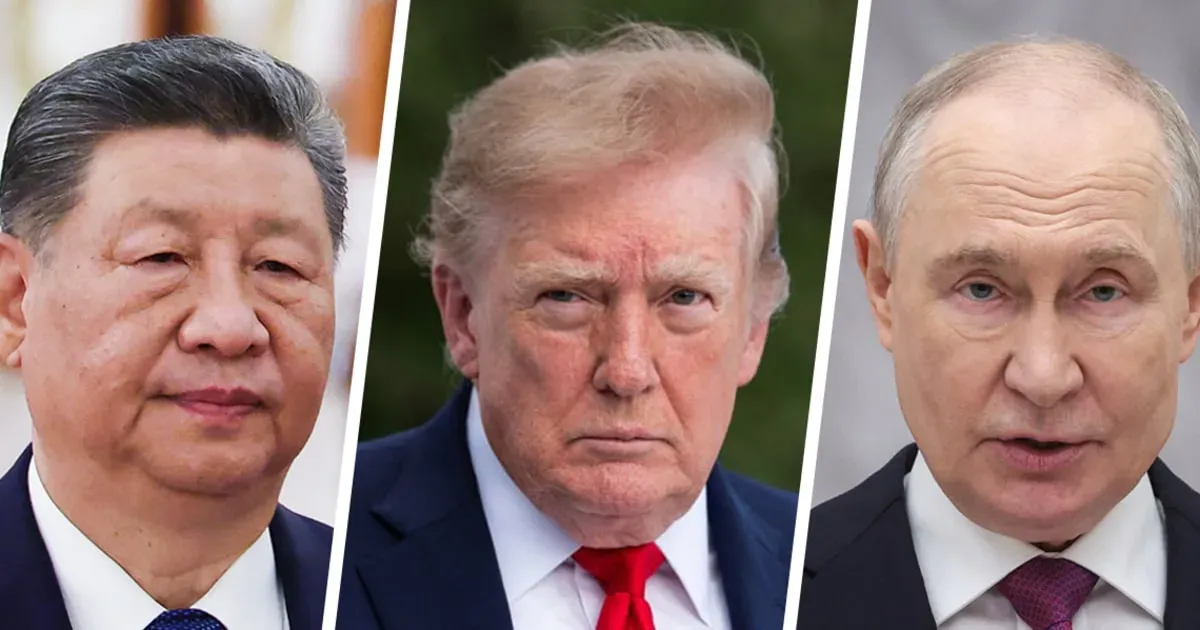
The summit brought together US President Donald Trump, Chinese President Xi Jinping, and Russian President Vladimir Putin to discuss ways of reducing nuclear risks and resolving global conflicts.
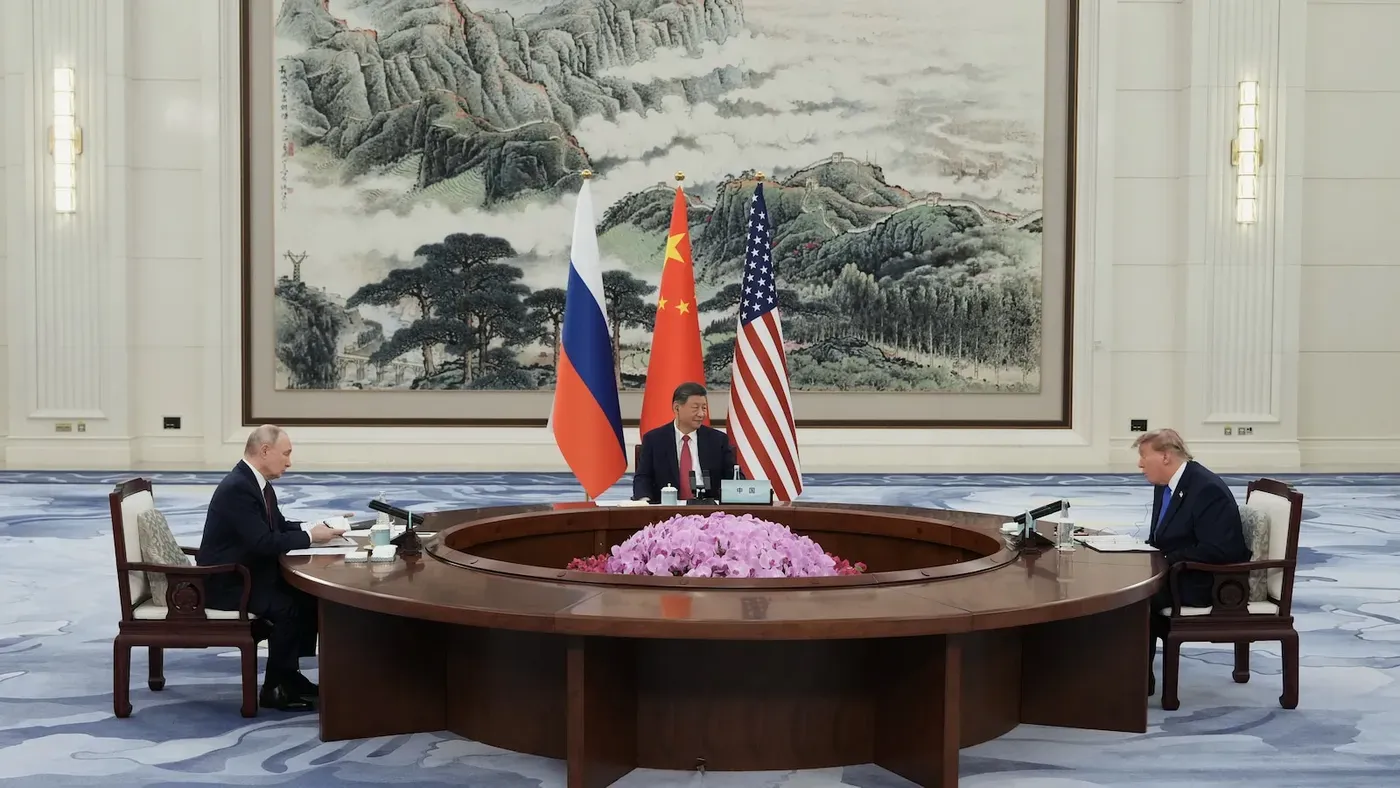
Three world leaders who consider their nations to be among the most powerful sat down together for a historic meeting on Thursday in Shenzhen, China. The summit brought together US President Donald Trump, Chinese President Xi Jinping, and Russian President Vladimir Putin to discuss ways of reducing nuclear risks and resolving global conflicts.
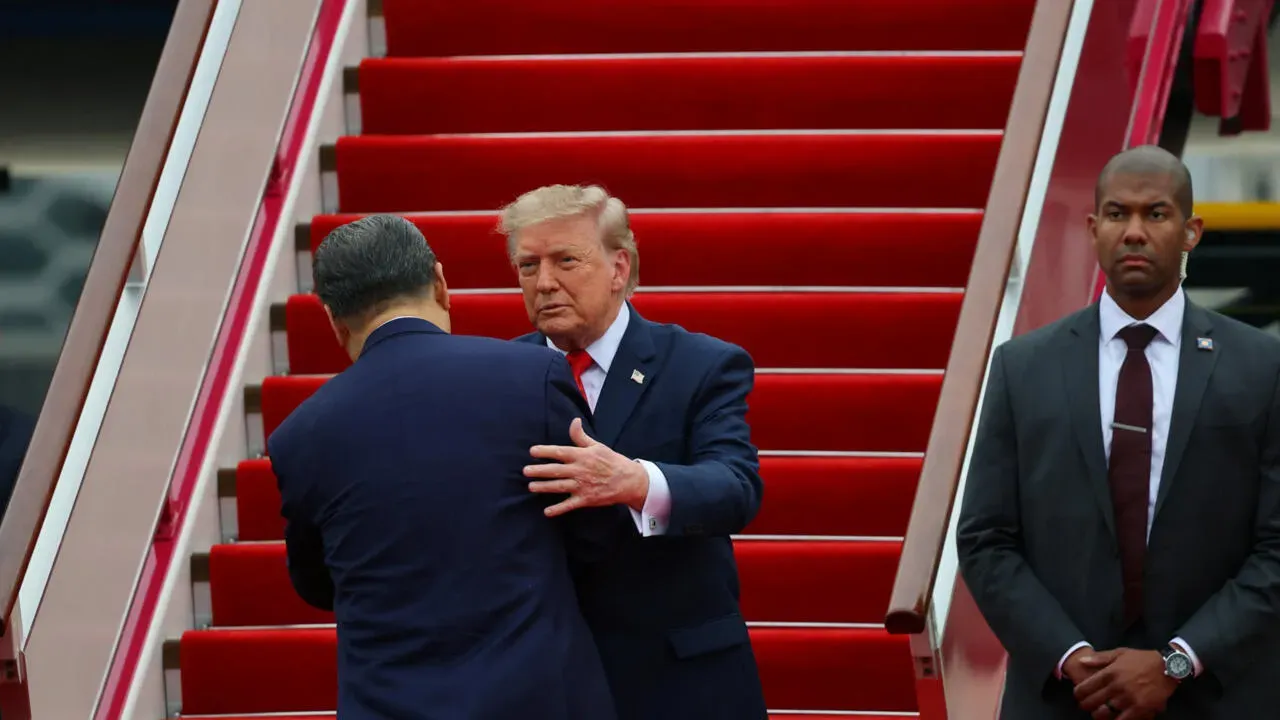
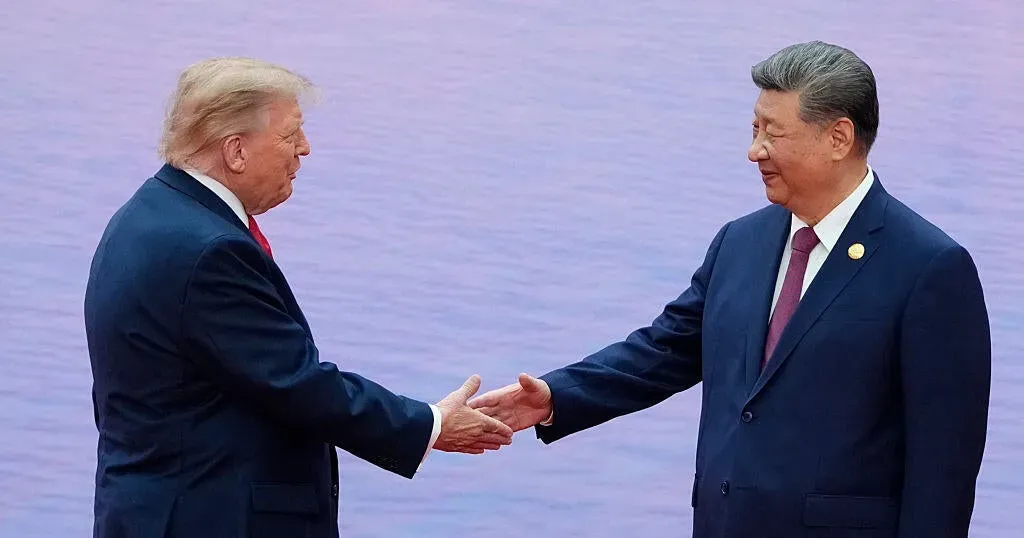
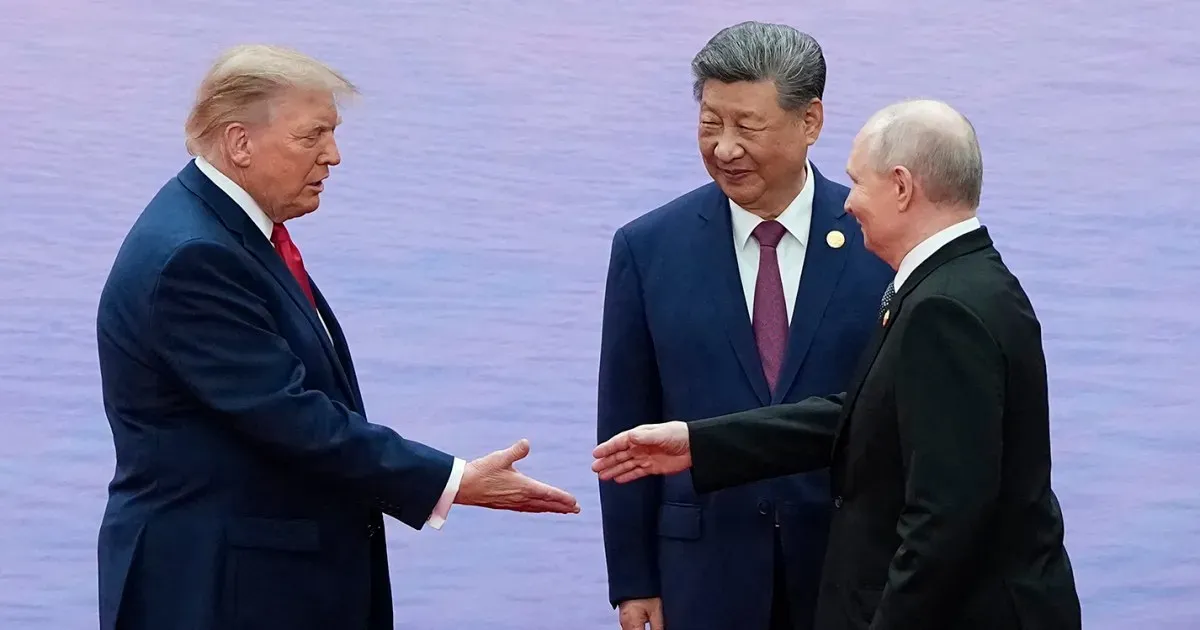
The three superpower leaders were all smiles as they exchanged friendly handshakes at the start of their talks, which took place at a villa in southern China. However, despite the cordial atmosphere, no significant agreements or breakthroughs emerged from the meeting. Instead, the leaders focused on minor issues such as UN reforms and increasing fuel supplies to the market.
The brief remarks made by the leaders at the beginning of the summit were notable for their brevity, with none of them taking questions from journalists after the talks concluded. A joint statement was released following the meeting, but it did not mention any of the pressing global issues that Trump had raised in separate one-on-one meetings with Xi and Putin earlier in the day.
The significance of the Shenzhen summit remains to be seen, with some viewing it as a potential turning point in world history while others may see it as nothing more than a photo opportunity for the three leaders. The meeting marked the first time that Trump, Xi, and Putin had sat down together around a table to discuss their differences and areas of common interest.
The agreements reached during the meeting were modest but the language used by the leaders was anything but subdued. Trump's statement that "We are really making history" underscored the significance of the trilateral talks, which aimed to reduce nuclear arsenals and mitigate the risk of their use.
Xi Jinping had earlier emphasized that the meeting would focus on promoting global peace, while Putin stressed the shared responsibility of the three nations in maintaining international stability. Their words were a stark contrast to the modest outcomes of the negotiations.
Despite the lack of major breakthroughs, Xi described the talks as positive and constructive, praising their fruitful nature. Putin also chimed in, describing the format as open and candid, which he deemed useful and substantive.
The meeting's potential impact has been weighed by analysts, with some seeing it as a starting point for more substantial negotiations.
"We need more than diplomatic theater and photo opportunities between Xi, Putin and Trump," said Daryl Kimball, executive director of the Arms Control Association, emphasizing the importance of tangible progress. He believes that one meeting alone is unlikely to yield significant breakthroughs.
In a separate development, Trump had a bilateral meeting with Xi, marking their third substantial encounter this year. The U.S. president reportedly discussed trade and economic issues with his Chinese counterpart.
The Strait of Hormuz was another topic on the agenda, with Trump expressing a shared interest in ensuring oil shipments through the key waterway continue uninterrupted. He also hinted at seeking increased agricultural exports to China.
The three world leaders gathered for a rare meeting to discuss nuclear risks, but it remains unclear what concrete agreements were reached.
Trump's rapport with Putin has been a subject of attention and scrutiny in recent times, particularly as tensions between the US and Ukraine escalate.
In addition to addressing global security concerns, the trio also touched on ways to safeguard their nations' sovereignty from perceived threats such as the International Criminal Court.
The joint statement issued by the three countries criticized the ICC for overstepping its authority, advocating that state officials should be granted immunity from prosecution.
As part of a broader campaign to restrict the court's jurisdiction, the US has imposed sanctions on ICC officials and the institution itself.
The personal relationships between world leaders can be complex and multifaceted, as evident from the dynamics between US President Donald Trump, Chinese President Xi Jinping, and Russian President Vladimir Putin.
While Trump has often emphasized his ability to form close connections with other leaders, it's not always clear if he shares a deep bond with these two autocrats. The contrast between the warmth shown by Xi and Putin towards each other is striking, particularly in their recent interactions at APEC.
The friendly gestures exchanged between Xi and Putin are significant, given China's financial support to Russia following its invasion of Ukraine last year. By providing an economic lifeline, Beijing has helped mitigate the impact of Western sanctions imposed on Moscow.
In contrast, Trump's relationship with Xi is more formal and less forthcoming, as seen during the Chinese leader's state visit to the White House in September. Even then, Xi was hesitant to express his personal rapport with the US president, merely stating that they had maintained contact and built a connection.
The tension between the US and China was palpable despite Trump's earlier praise for Xi. Chinese officials took a firm stance when a Bloomberg reporter attempted to ask a follow-up question at the earlier meeting, blocking her access to the trilateral session.
A telling moment of fatigue caught on camera showed Trump appearing drowsy during the talks, while the White House countered with footage of Trump assisting Xi up an escalator.
Facts based on reporting originally published by ABC News International.
You may republish this story, in full or in part, if you credit News Central Site and link to it (licence CC BY 4.0). Photos are not included.