US President Donald Trump Arrives in China Ahead of Trilateral Summit
The meeting between US, Russian, and Chinese leaders is raising concerns that key decisions about Ukraine may be made without consulting Kyiv or European authorities.
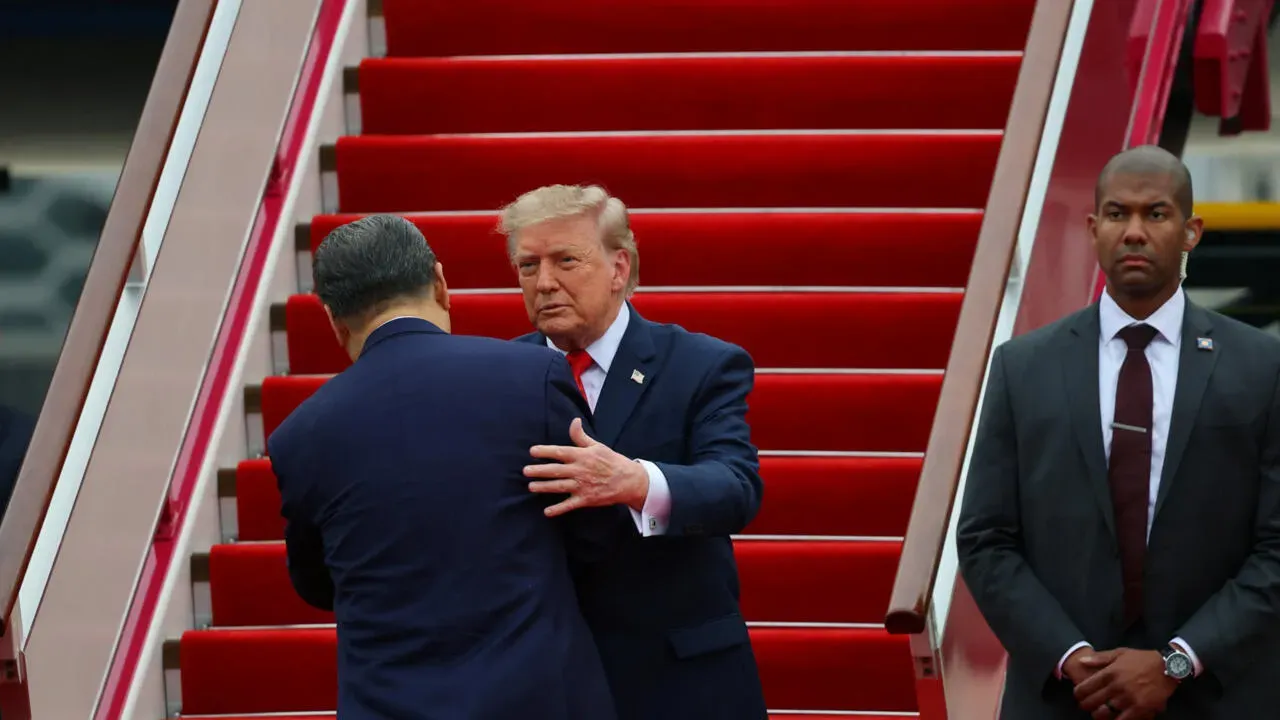
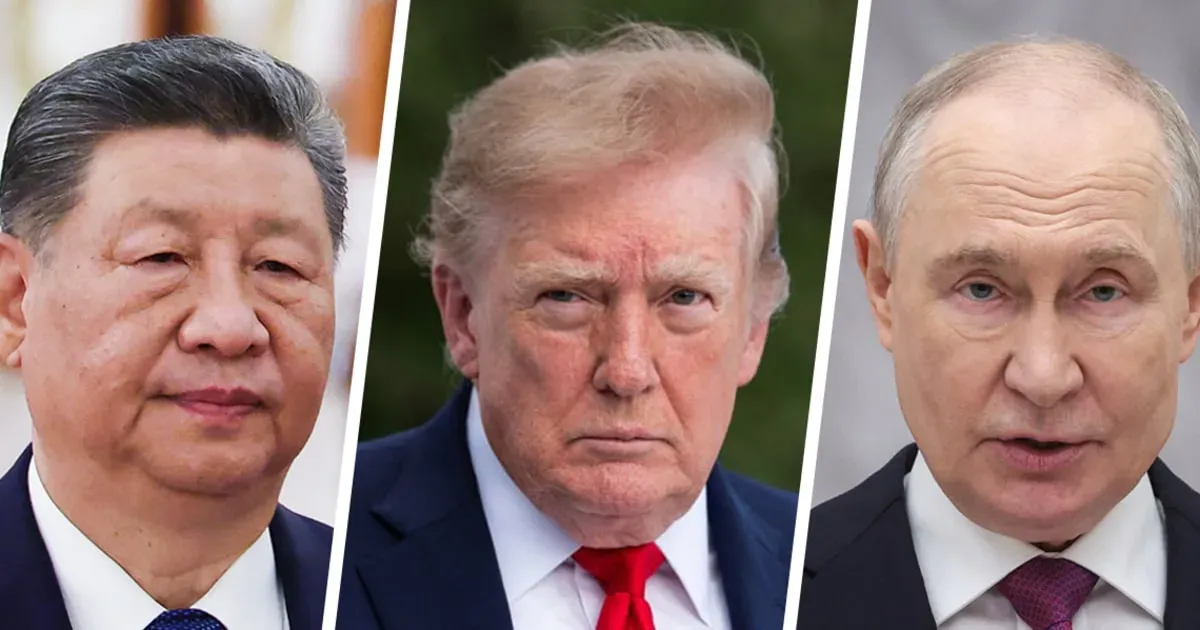
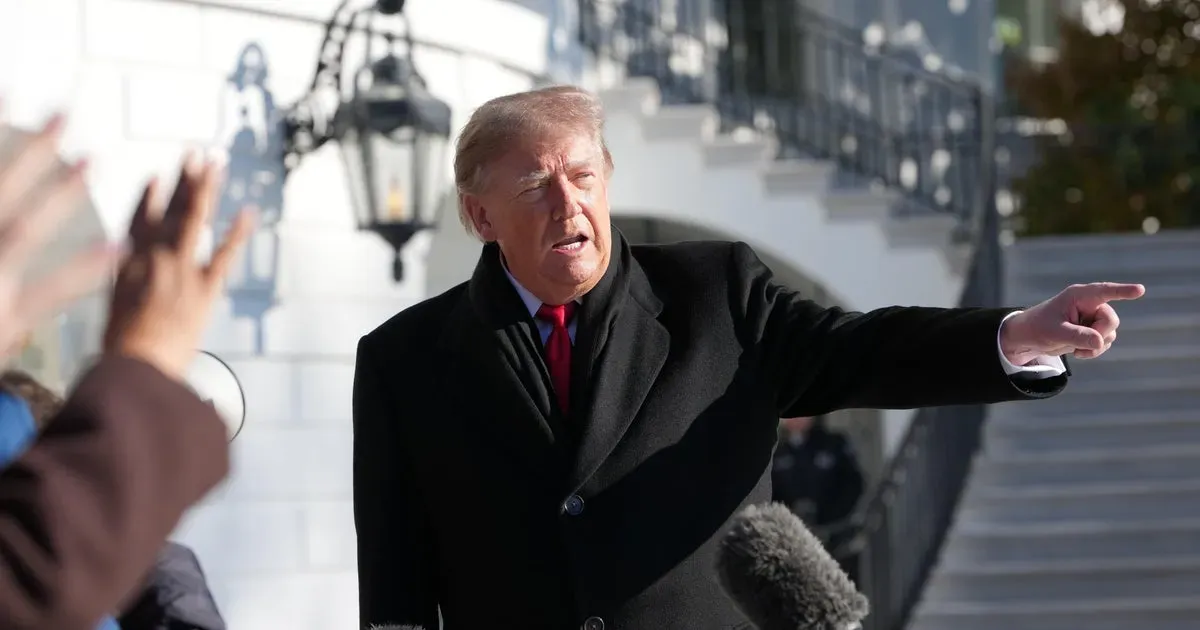
US President Donald Trump has landed in China ahead of a highly anticipated trilateral summit with Russian President Vladimir Putin and China's leader Xi Jinping scheduled for Thursday.
The meeting has raised concerns that the three leaders could make key decisions about Ukraine without consulting Kyiv or European authorities, potentially altering the country's future. This has sparked fears among many who worry that the trio may attempt to redraw global boundaries according to their own interests in the 21st century. The implications of such an outcome are far-reaching and have sent shockwaves through diplomatic circles.
In a recent development, China's leader Xi Jinping met with President Vladimir Putin in Shenzhen on Wednesday, where he emphasized the need for closer ties between his country and Russia. According to Chinese state media, Xi stressed the importance of strengthening cooperation between their governments, legislatures, militaries, and political parties.
The US President's visit to China marks a pivotal moment in international diplomacy as he prepares to engage in high-stakes discussions with world leaders on key global issues.
Thursday's trilateral summit has raised concerns that the three influential leaders could make decisions affecting Ukraine without consulting Kyiv or European nations, potentially redefining the world order along 21st-century lines of influence.
A shift in Washington's stance on Ukraine has emerged, as US President Donald Trump initially indicated that the issue would not be addressed, only to later confirm its inclusion in the talks. This change reflects a growing recognition of the significance of Ukraine in global affairs.
The summit is also expected to touch on sensitive topics such as the Iran war and nuclear disarmament, with Washington highlighting these issues for discussion among the leaders.
The trilateral summit is set to take place amidst escalating tensions between Russia and the West, following Putin's 2022 invasion of Ukraine that has left Europe reeling from its worst conflict since World War II.
Putin's comments at the APEC gathering on Wednesday underscored his expectations for a productive outcome from the meeting with Xi and Trump. He emphasized the need for unity in the face of rising military-political risks, calling for dialogue over ultimatums and cooperation rather than division.
The Russian president also claimed that Western sanctions imposed on Russia since the invasion had failed to achieve their intended goal. Instead, he argued that these measures have been unable to halt economic growth or destroy the economies of those nations competing with Russia.
Xi Jinping took a different approach in his opening remarks at the APEC event, focusing on the importance of international cooperation on issues like artificial intelligence and free trade. He pledged to reform China's policies on tariffs, access, regulations, and management standards to promote greater economic integration.
US President Donald Trump has arrived in China ahead of a historic three-way summit with leaders from Russia and China. His visit comes as part of efforts to counterbalance China's growing influence in the region. The meeting is expected to be a key moment for global diplomacy.
Trump has expressed his desire to hold one-on-one talks with Russian President Vladimir Putin and North Korean leader Kim Jong Un during his trip, but confirmation on these meetings remains uncertain. US Secretary of State Marco Rubio hinted at possible engagement with Pyongyang, stating that solving issues with North Korea requires direct dialogue.
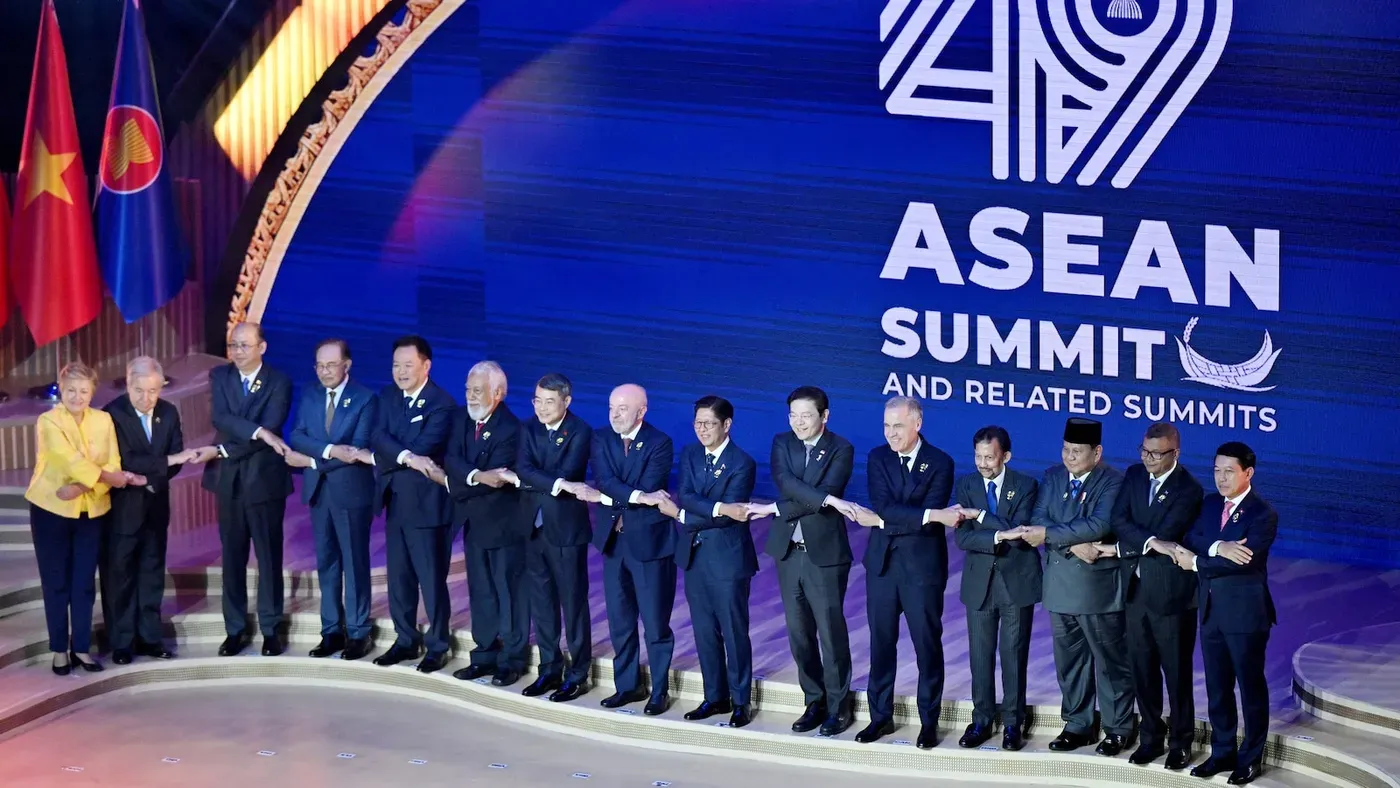
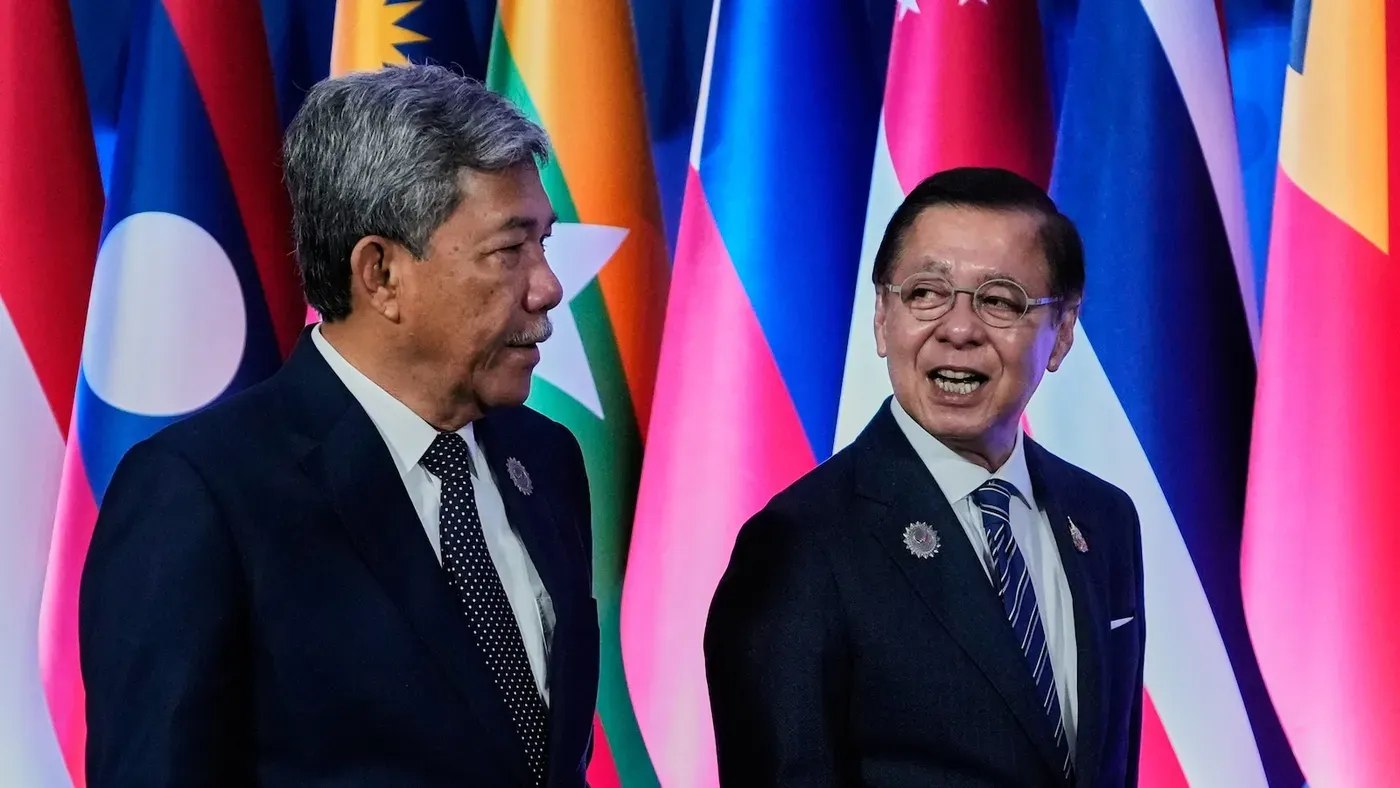
Rubio's comments were made in Manila, where Trump was attending a summit of the Association of Southeast Asian Nations (ASEAN). The gathering saw protests from around 2,000 people carrying anti-Trump banners and referencing US trade initiatives. ASEAN leaders grappled with pressing regional concerns amidst the backdrop of Trump's ongoing tariff dispute.
China has been vocal in its criticism of what it calls a "countercurrent of unilateralism and protectionism" driven by the US. Chinese Premier Li Qiang highlighted Beijing's expanding trade ties with the bloc, while other world leaders echoed similar sentiments on the need to diversify their economies away from reliance on the US market.
A combative tone characterized US President Trump's statements on trade relations with China as he arrived in Manila ahead of a historic summit. This time, his focus was on rare-earth production, where he confidently predicted that the United States would soon surpass China within 10 months.
The announcement came just hours before Trump landed in Manila, and it coincided with new rules imposed by Washington on the transfer of advanced AI chips to certain ASEAN countries. According to these regulations, companies shipping high-end chips to Singapore, Malaysia, Thailand, and Indonesia will need a special licence due to concerns about potential diversion.
Facts based on reporting originally published by France 24 English.
You may republish this story, in full or in part, if you credit News Central Site and link to it (licence CC BY 4.0). Photos are not included.