US Data Centers Drive Economic Growth but Create Labor Shortage
The rapid expansion of data centers in the US is driving significant economic growth, but it has created a pressing challenge for the telecommunications industry due to a shortage of skilled workers.
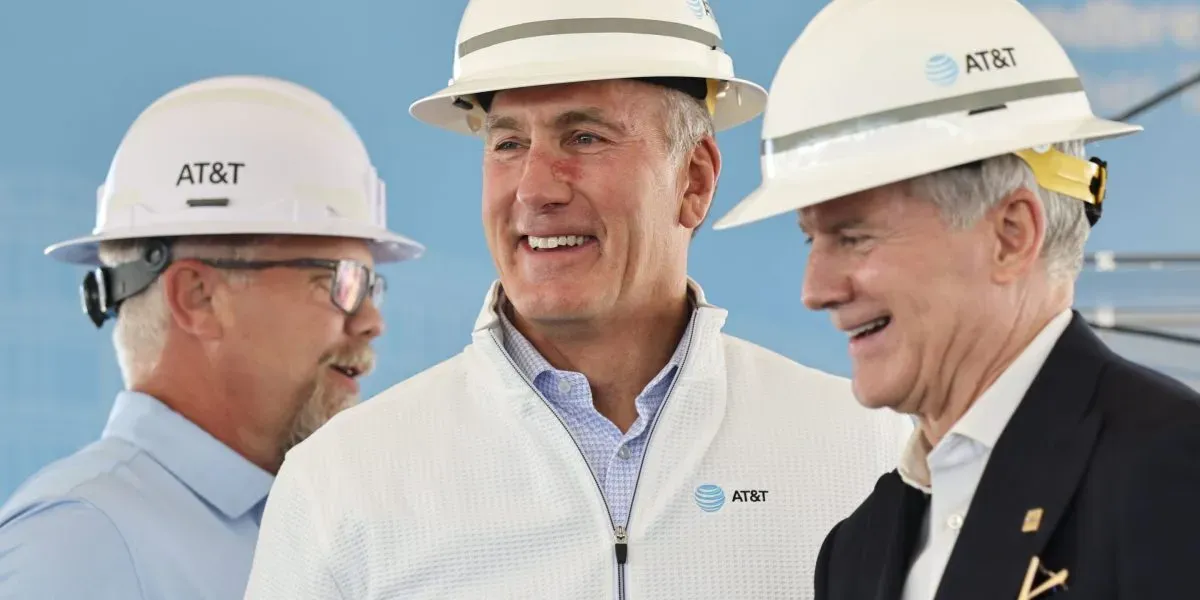
The rapid expansion of data centers is driving significant economic growth in the US, with an estimated $800 billion expected to be spent on these facilities by 2026 alone.
However, this boom has created a pressing challenge for the telecommunications industry: it requires a workforce that can build and connect these data centers, but there simply aren't enough workers available to meet demand.
According to AT&T CEO John Stankey, the shortage of skilled construction and technician workers is becoming increasingly urgent. By 2032, he estimates that nearly 200,000 additional workers will be needed to keep pace with industry growth.
Stankey warns that unless this issue is addressed, the US risks being unable to support the rapid development of AI infrastructure. He notes that all these new data centers need to be connected if we want to continue growing as an economy.
As a result, Stankey sees an opportunity for Gen Z to enter the workforce and fill this critical gap, particularly since the traditional college-to-career pipeline is becoming less reliable.
As workers in various industries struggle to find qualified candidates, a significant gap has emerged in the job market for technical roles such as fiber splicers and telecommunications installers.
These entry-level positions often don't require a bachelor's degree, but instead offer on-the-job training that equips workers with the necessary skills. According to the U.S. Bureau of Labor Statistics, the median annual salary for these jobs is around $70,000, although total compensation can reach six figures when overtime and bonuses are factored in.
Companies like AT&T are actively hiring for these roles, with a spokesperson explaining that they prioritize candidates' skills and potential over their educational background. This approach has proven effective, as evidenced by the success of new hires who receive extensive training before being certified to perform complex tasks.
The demand for skilled tradespeople extends beyond telecommunications, with the data center construction boom putting pressure on the supply of electricians, plumbers, and HVAC technicians.
The Alliance for America's Skilled Trades, a coalition of leading companies including AT&T, Meta, Google, and Ford, has been working to address the severe shortage of skilled tradespeople in the US labor market.
According to Stankey, CEO of AT&T, the existing stigma surrounding careers that don't require a college degree is a major obstacle to filling the estimated 1.7 million skilled trades openings every year through 2035.
Stankey emphasizes that careers like telecommunications and fiber installation are not only stable but also lucrative, with salaries reaching up to $70,000 per year, without the need for a four-year degree. He argues that these jobs offer a unique combination of physical and mental challenges, which should be valued equally alongside traditional white-collar professions.
The solution to this labor shortage lies in changing societal attitudes towards work, Stankey suggests, by recognizing the validity and worth of careers that don't conform to traditional expectations.
Facts based on reporting originally published by Fortune.
You may republish this story, in full or in part, if you credit News Central Site and link to it (licence CC BY 4.0). Photos are not included.