Meta Unveils Third-Generation Ray-Ban Glasses at Meta Connect Event
The new Meta Ray-Ban glasses have undergone some cosmetic updates and performance enhancements but lack significant advancements compared to predecessors.
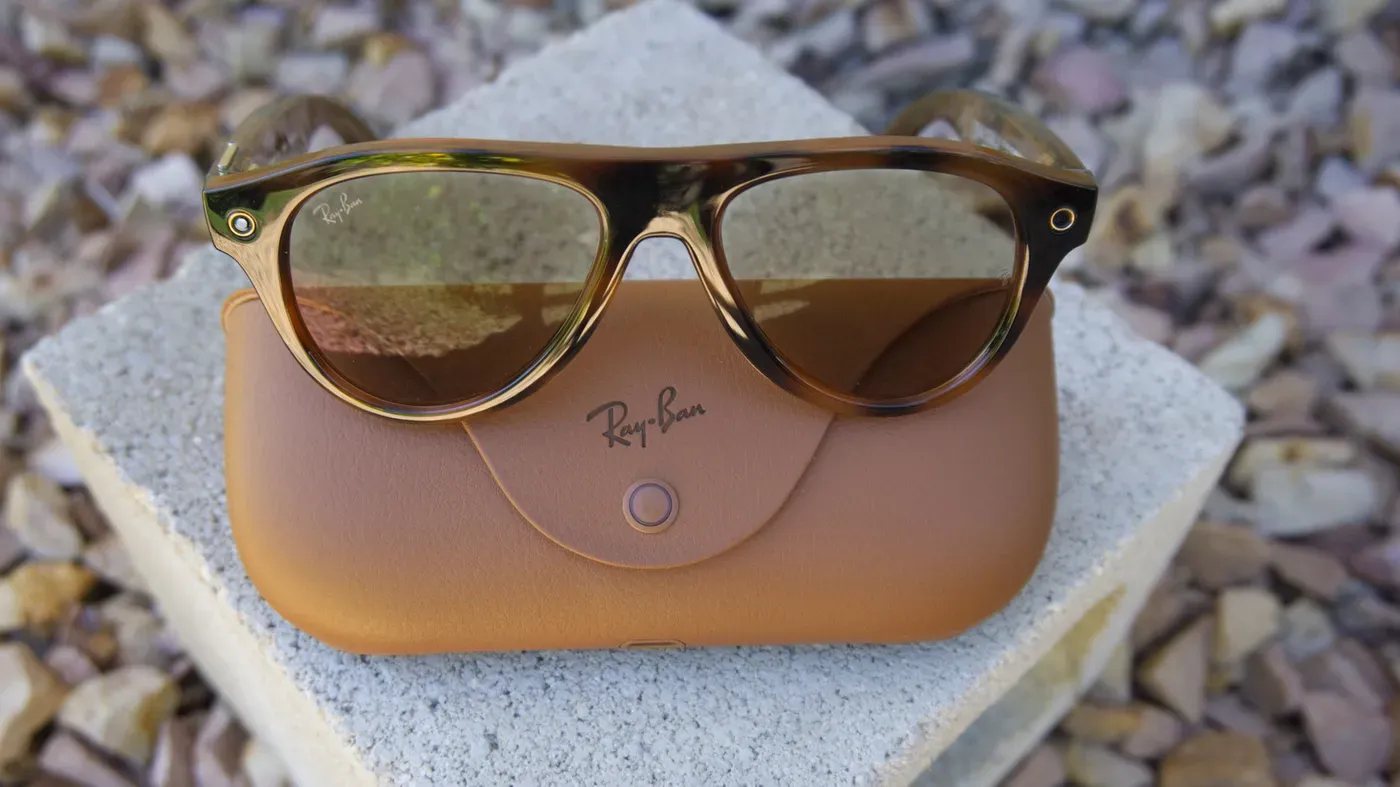
The latest iteration of Meta's Ray-Ban glasses has been met with a lukewarm response following the company's Meta Connect event. The third-generation model was unveiled alongside several other products, including audio-only glasses and an updated lineup of VR headsets.
The new Meta Ray-Ban glasses have undergone some cosmetic updates and performance enhancements, but they don't stray far from their predecessors in terms of innovation. This lack of significant advancements is particularly notable when compared to other recent models released by the company. Despite this, there's still much to appreciate about these premium smart glasses.
One of the most striking aspects of the new Meta Ray-Ban glasses is their sleek design. Available in three frame styles, Wayfarer, Zena, and Aviator, each style offers a unique take on classic Ray-Ban designs. The frames are also available in various colors, many of which feature semi-transparent materials that allow users to glimpse the internal components.
The Gen 3 Meta Ray-Ban glasses carry a hefty price tag of $449, raising questions about their value proposition given the relatively minor upgrades they offer. With numerous variations of Meta-branded smart glasses now on the market, it's unclear whether these latest models should be considered the default choice for those in the market for new glasses.
The limited availability of the Gen 3 Meta Ray-Ban glasses is another point worth considering. For now, only three frame styles are available, and each style can be paired with a range of colors to suit individual tastes.
The Ray-Ban Meta (Gen 3) frames I wore for this review were Aviators in Havana, a brown tortoiseshell color that was a welcome change from the usual dark and boxy options. Unfortunately, it's clear that these new frame shapes aren't without their drawbacks, particularly when it comes to fit.
While some may appreciate the bold look of the Zena or Aviator frames, I found them to be excessively oversized - 10mm wider than even the smallest Wayfarer frames. This made them feel awkward on my face and difficult to wear with confidence. Clear lenses didn't help, as they only added to the bulkiness.
The fit issues were exacerbated by the fact that these frames need to be adjusted professionally, either at a Meta store or an optician's office. While this may not be a problem for those who purchase in person, it can be inconvenient for online shoppers looking for a hassle-free experience. And let's be clear - $529 is no small investment.
The bulkiness of the frames also caused some issues with the glasses' fit on my nose. They constantly slipped down to the point where I considered purchasing after-market silicon tips to keep them in place. This was frustrating, especially given the premium price tag.
The Meta Glasses' default clear transition lenses may offer flexibility for wearers, but they don't necessarily suit every frame style. In this case, the Aviator shape felt more suited to sunglasses than everyday wear, which made me wonder if these frames are worth the hefty price tag.
The action button has become a staple feature in recent Meta glasses models, and it's now available on the Gen 3 as well. This customizable shortcut allows users to trigger specific actions without having to use voice commands - for instance, I set mine to read my latest text message.
Battery life is another area where Gen 3 has seen some improvement over its predecessor. According to Meta, these frames can last up to nine hours on a single charge and the accompanying charging case adds an additional fifty hours of juice. However, it's worth noting that battery performance can fluctuate significantly depending on usage patterns.
Continuous audio playback is a good indicator of how well a device manages its power consumption - in my experience with Gen 3, I managed to squeeze about six hours of continuous audio playback from my pair. Features like Live AI, which utilizes the camera to analyze surroundings, tend to drain batteries more quickly than others.
An extra microphone has been added to Gen 3, and Meta claims that this will enhance sound quality for phone and video calls made with these glasses. During my testing, I didn't experience any complaints regarding audio quality on my previous model - but those who spoke to me over the phone while wearing Gen 3 reported that I sounded clearer than usual.
A comparison with other wireless earbuds is also worth considering - I took a few phone calls using my AirPods Pro 2 and found that Gen 3 performed similarly, if not slightly better. However, it's essential to keep in mind that the sound quality may vary depending on individual preferences.
The new Ray-Ban Meta glasses come equipped with all the same advanced AI features as Meta's other products. Powered by Muse Spark, these AI capabilities have resulted in more natural-sounding conversations and fewer errors. However, some users may miss the distinctive celebrity voices that were previously available.
Meta's emphasis on its smart glasses is set to increase as its AI agent, Muse, continues to evolve. The company showcased Muse on its glasses during a recent conference, although this feature has yet to be officially rolled out to the public. Once available, users will be able to interact with their personal assistant through their glasses and share live video feed from the device's cameras.
The integration of AI features like Muse into Meta's smart glasses may also pave the way for more aggressive marketing of Meta One subscription plans. The company has already demonstrated a willingness to charge extra for certain features, such as its new hearing enhancement tool. Additionally, some users are still waiting for another hearing-related feature, Conversation Focus, which was announced over a year ago.
Meta's business strategy may lead to a shift in how users interact with their devices and the services they offer. The company is likely to push for more comprehensive adoption of its subscription plans, potentially making certain features exclusive to paying customers. This move could have significant implications for the future of wearable technology and user experience.
The recent update to my Meta (Gen 3) glasses has brought about some changes that are worth noting. One of the first things I see when adjusting my settings is an invitation to sign up for Meta One in order to access additional photo storage capabilities. This promotion raises questions about the company's plans for subscription-based services and their potential impact on user experience.
A notable improvement in the Gen 3 glasses is the option to opt out of data collection, specifically the ability to train AI models using visual data captured by the device. When I ask Meta AI a question, my glasses no longer store images or share them with contractors employed by the company. While this doesn't address all privacy concerns, it's an improvement that acknowledges some of the user's wishes.
The recent shift in the market and technological advancements have made me reevaluate whether Gen 3 is worth the investment for most people. The non-Ray-Ban line from Meta offers similar features at a lower starting price point of $249. Considering this, the premium finish associated with the Ray-Ban branding on the Gen 3 model may not be enough to justify the higher cost.
The current market also presents an alternative option in the form of last year's Gen 2 model, which still carries the Ray-Ban brand and offers a solid choice for those who value the premium finish. Furthermore, older frames from Gen 1 are available at $224, providing another viable option for consumers.
The latest iteration of the Ray-Ban Meta smart glasses may still hold some appeal, but it's a subtle upgrade compared to its predecessors. For those who prioritize style above all else, the Gen 3 model offers an updated look that's sure to turn heads.
Ultimately, with so many options on the market, it seems the only compelling reasons to choose the Ray-Ban Meta Gen 3 are personal taste or a desire for extended battery life, and even then, it may not be enough to sway most consumers.
Facts based on reporting originally published by Engadget.
You may republish this story, in full or in part, if you credit News Central Site and link to it (licence CC BY 4.0). Photos are not included.