Storage capacity discrepancies on drives become increasingly common
The issue is attributed to differences in how companies calculate data usage and reserve space for pre-installed software.
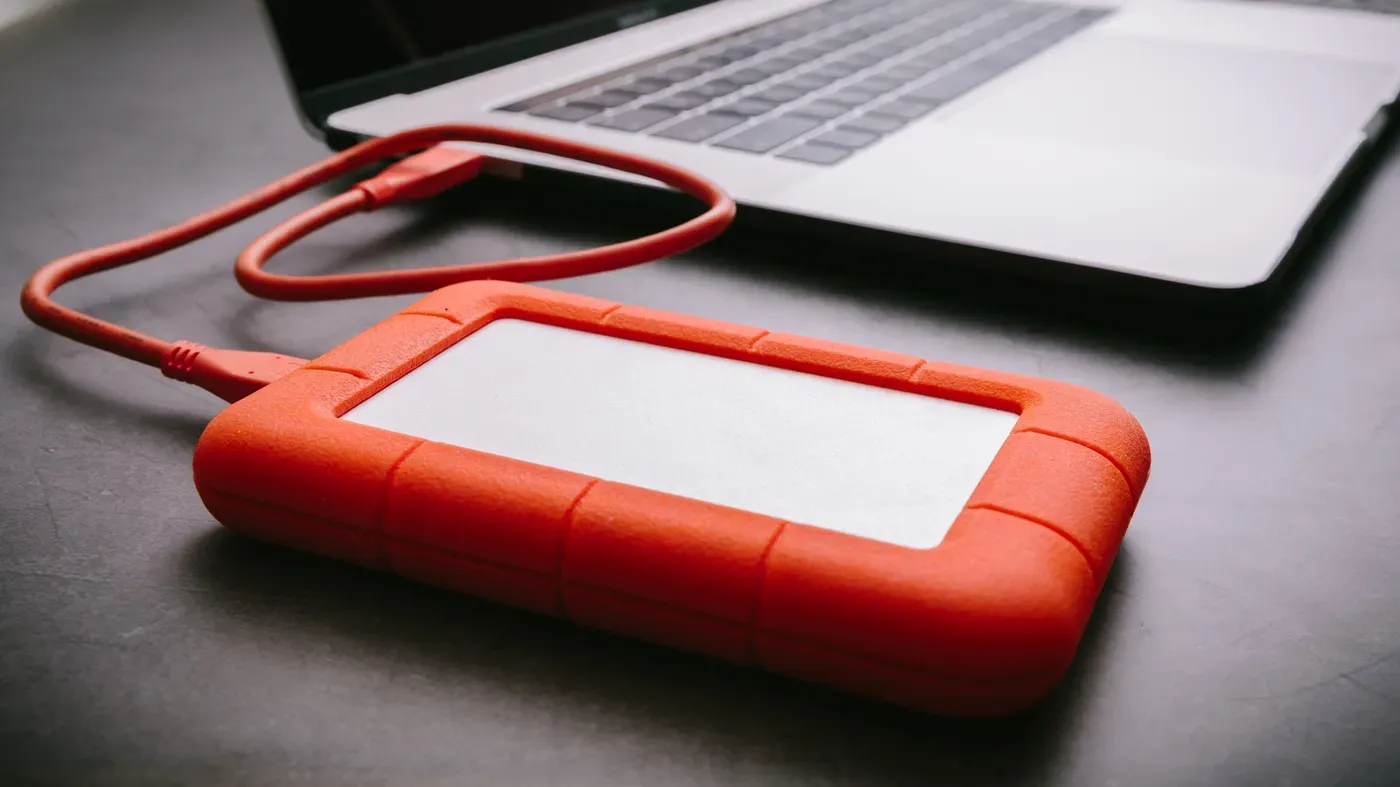
The discrepancy between promised and actual storage capacity on drives is becoming increasingly common, leaving many consumers frustrated with their purchases. This issue is particularly pronounced in the current market where drive prices are soaring due to the growing demand for AI datacenters. The rising cost of storage is forcing manufacturers to hike up prices on some products by hundreds of dollars.
The increasing size of apps, media files, and operating systems is also contributing to the problem. Some PC and console games now require a significant amount of space, with live service titles often topping 100GB in size. This makes it even more disheartening when users discover that their drive's storage capacity doesn't match what they were promised.
A recent example illustrates this issue: a 512GB drive was found to only offer 477GB of accessible storage under Windows. On paper, the missing 35GB could be enough to store an entire photo library or a converted 4K HDR movie.
This discrepancy can often be attributed to differences in how companies calculate data usage rather than any deliberate attempt to deceive consumers. Manufacturers may reserve some space for pre-installed software, making it essential for devices to function properly.
The root cause of these discrepancies is not always transparent, leaving users uncertain about what to expect from their storage purchases.
Storage manufacturers typically calculate storage capacity using the decimal system, where a kilobyte equals 1,000 bytes and a gigabyte is equivalent to 1 billion bytes. This approach aligns with common measurement practices in everyday life, particularly for those familiar with the metric system.
However, software platforms like Windows often measure capacity in binary terms, which converts a kilobyte into 1,024 bytes and a gigabyte into 1,073,741,824 bytes. As storage capacities increase, the discrepancy between decimal and binary calculations becomes more pronounced. This difference can lead to confusion among consumers.
A 1TB drive may appear to hold only 931GB in Windows due to this calculation disparity, despite not actually losing any data. In contrast, a Mac will display the full 1TB capacity, as it operates on the decimal system. This inconsistency is significant for users expecting storage marketed in binary terms versus its actual capacity.
It appears that Microsoft has no intention of switching from binary to decimal measurement in Windows, and Apple does not plan to revert its products back to binary. As a result, consumers can expect this discrepancy to persist in the market for an extended period.
The issue of discrepancies in storage capacity is further complicated by the way operating systems are designed. Many devices come pre-installed with a significant amount of space occupied by the device's OS, which can range from 22GB to over 81GB depending on the type and version.
This leaves consumers with even less usable space than they initially thought they had purchased. The problem is exacerbated by the fact that most devices require additional cache and swap space for temporary files in order to run smoothly. This space is not necessarily reserved, but its depletion can have serious consequences for device performance.
Consumers who download too many files or install too many apps may inadvertently harm their device's performance by depleting this available space. If the swap space becomes exhausted, it can lead to a range of issues including app crashes and freezing.
The growth of operating systems over time is another factor contributing to the problem. As new features are added, devices require more space to accommodate them, further reducing the amount of usable storage capacity available to consumers.
In an effort to make sense of this situation, some manufacturers have adopted binary-specific terms such as "kibibyte" and "gibibyte". However, these terms have not gained widespread acceptance among consumers or even within the industry itself.
To mitigate the issue of drive storage discrepancies, consumers are advised to adopt a cautious approach when using their devices and making purchases. This involves being mindful of data consumption and estimating storage needs accordingly, which can make even smaller capacities more acceptable.
Noting this discrepancy during the planning phase of electronics shopping can help avoid disappointment when receiving new devices.
Facts based on reporting originally published by Engadget.
You may republish this story, in full or in part, if you credit News Central Site and link to it (licence CC BY 4.0). Photos are not included.