AI-Powered Software Alternatives Emerge in Market
Free versions of popular software programs have emerged in the market, raising questions about their authenticity and value proposition.
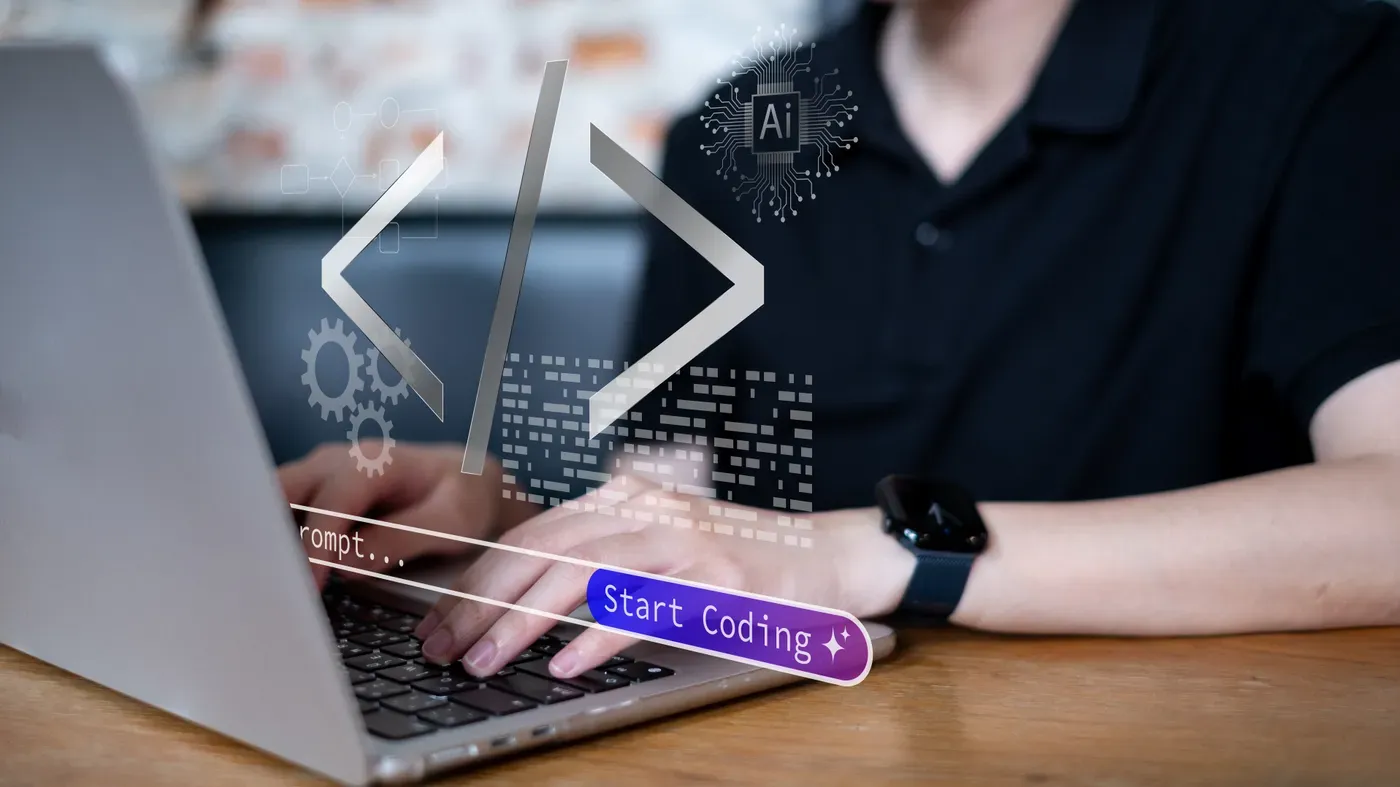
Free versions of popular software programs have emerged in the market, raising questions about their authenticity and value proposition. These copies are created using AI-powered coding techniques, also known as vibe coding. This trend has gained momentum in recent times, with several apps being released on app stores.
Brandon Thomas, a software engineer, is behind this initiative. He has developed 13 free, open-source apps that mimic the functionalities of expensive Adobe and Microsoft programs, including Photoshop, Word, and PowerPoint. These AI-generated alternatives are available on his website, ArtCraft. The apps include PhotoCraft, WordCraft, and DeckCraft.
The proliferation of vibe-coded apps in app stores has led to concerns about their usefulness, security, and long-term viability. Some developers have expressed doubts about the quality and reliability of these AI-created tools. This has sparked a debate among tech enthusiasts and experts.
Apple has taken notice of this trend and has removed some apps that facilitate vibe coding due to non-compliance with its developer rules. The company's stance highlights the regulatory challenges associated with AI-generated software.
The affordability crisis in the US has led consumers to seek cheaper alternatives to expensive software from legacy tech companies.
Many startups have attempted to compete with Adobe and Microsoft by offering alternative apps for content creation and editing, such as Canva, Affinity, and CapCut.
However, these alternatives often require users to rely on cloud-based services and share their data with the company. This can be a concern for individuals who value control over their personal information.
ArtCraft's vibe-coded apps offer an alternative by allowing individual users to create AI-powered software tools without needing to upload their work to a cloud or hand over sensitive data to a major tech firm.
Using open-source AI models on one's own device can provide greater control and flexibility, but it also raises questions about the legality of sharing generated content with others.
Adobe's reputation has taken a hit in recent months, following a federal lawsuit that alleged the company was using unfair tactics to keep consumers locked into subscription plans.
The case led to a $150 million settlement, with Adobe agreeing to pay a $75 million civil penalty and offer $75 million worth of free services to affected users. However, despite this concession, the company has maintained its innocence in the matter.
Meanwhile, Microsoft has been incorporating its Copilot AI technology into various aspects of its software ecosystem, despite some users expressing their dissatisfaction with these new features. The company's decision to push forward with billions of dollars' worth of AI development appears to be a sign that it is committed to this direction.
The increasing use of AI in software applications has led to growing frustration among consumers who feel that legacy companies like Adobe and Microsoft are prioritizing innovation over user experience and affordability.
The appeal of open-source vibe-coded apps lies in their flexibility and cost-effectiveness. These programs allow users to customize software without having to pay for expensive subscriptions or licenses.
For tech-savvy individuals who only need basic functionality, open-source AI apps like ArtCraft can be an attractive alternative to Adobe Creative Cloud and Microsoft Office. However, many people may not have the time or technical expertise to set up and configure these programs on their own.
Facts based on reporting originally published by CNET.
You may republish this story, in full or in part, if you credit News Central Site and link to it (licence CC BY 4.0). Photos are not included.