Chronic Pain Forces Veterinarian Dr. Troy Hudnall Out of Work
Dr. Troy Hudnall's active practice in Missouri came to a halt due to chronic pain caused by herniated discs and pinched nerves.
Veterinarian Dr. Troy Hudnall's active practice in Missouri came to a grinding halt due to chronic pain. He suffered from herniated discs and a pinched nerve in his neck, which caused numbness and severe muscle loss in his right hand.
The first sign of trouble was when he couldn't click his mouse on the computer. This was followed by difficulties with instruments during his work, prompting multiple surgeries to help free up the nerves. However, as sensation returned, Hudnall began experiencing excruciating pain that left him considering drastic measures - even amputating his own arm.
Hudnall's chronic pain has persisted for three years, forcing him to stop working altogether. To manage it, he takes a daily handful of pills, including opioids, and has also tried various alternative treatments such as red light therapy, physical therapy, electrical spine stimulation, and lidocaine injections.
Chronic pain is a pervasive issue in the United States, affecting approximately one in four adults who live with it for more than three months.
This persistent discomfort can be overwhelming, as described by Dr. Lara Crock, a pain specialist, who says that people suffering from chronic pain are constantly bombarded by this signal, which ultimately crushes them completely.
As part of the treatment process at top pain centers like the Washington University School of Medicine Pain Center in St. Louis, patients often try various approaches to manage their condition, including medication and alternative therapies.
When a painful stimulus occurs, an electrical signal is transmitted through nerves in the affected area to the spine and then to the brain, where it's interpreted as pain.
However, not all people experience this typical response, as chronic pain persists even after the initial cause has been removed.
This phenomenon is puzzling researchers who are trying to understand why some individuals continue to feel pain long after the source of discomfort has been alleviated.
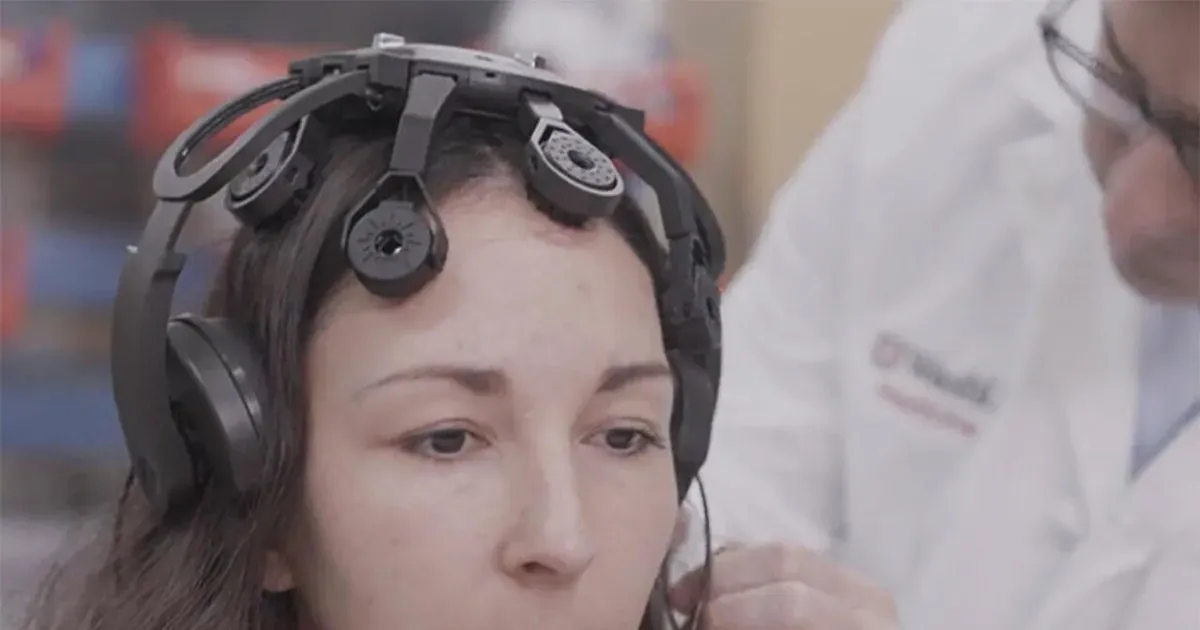
Researchers are exploring innovative approaches to manage chronic pain, a condition that persists despite treatments such as surgery and medication. Two medical professionals have developed a wearable headset that utilizes biofeedback to train patients in increasing brain waves associated with reduced discomfort.
This device is still in its early stages of research, but it has shown promise in a small pilot study involving six individuals who suffered from chronic pain that had not responded to conventional treatments. The headset trains patients to increase certain brain waves linked to pain relief.
Pain psychologist Sarah Buday is also working with patients using self-hypnosis techniques. She emphasizes that her approach is different from the stage hypnosis commonly associated with entertainment, and instead focuses on teaching individuals a valuable skill that they can use to manage their pain.
Buday is optimistic about Hudnall's prognosis, suggesting that improvement is already underway. This positive outlook is echoed by those who have undergone similar treatment, as they experience tangible benefits from the therapy.
Even partial relief from chronic pain can make a significant difference in daily life, allowing individuals to participate in activities they previously found challenging, such as caring for their families or enjoying simple pleasures like meals together.
Facts based on reporting originally published by CBS News Health.
You may republish this story, in full or in part, if you credit News Central Site and link to it (licence CC BY 4.0). Photos are not included.