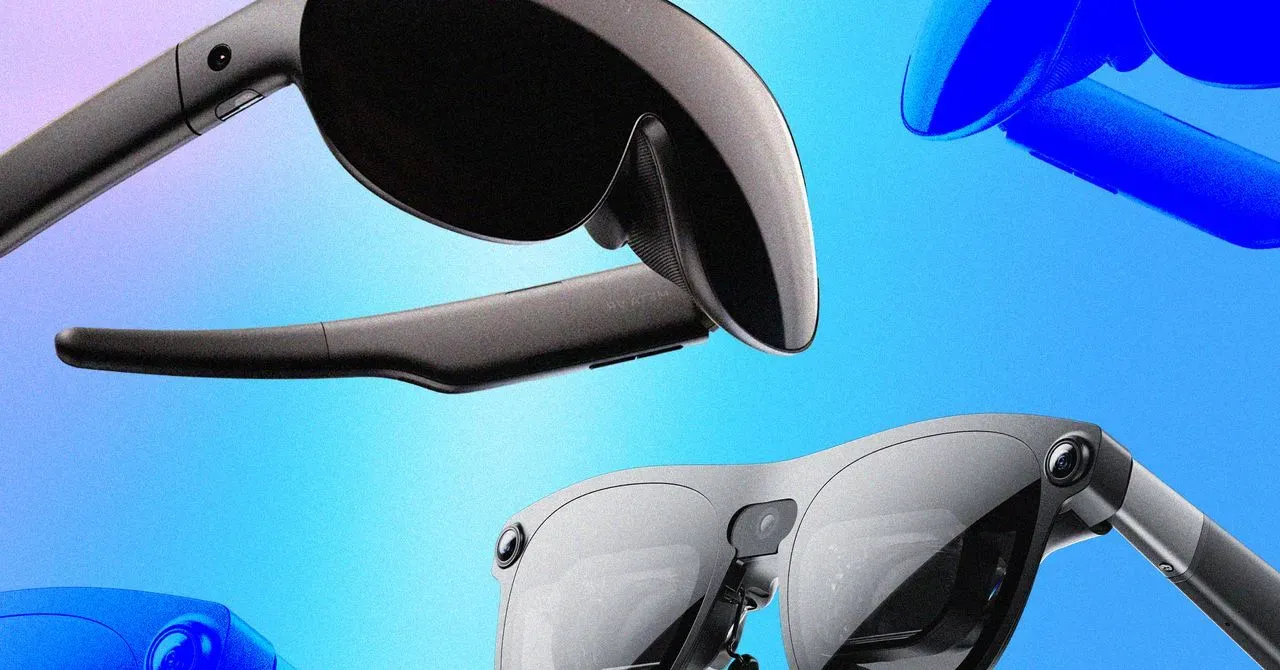
Steam Frame Virtual Reality Headset Repair Issues Identified
A closer look at the Steam Frame's internal components reveals a major issue with its cooling fan, which is not easily accessible for repair.
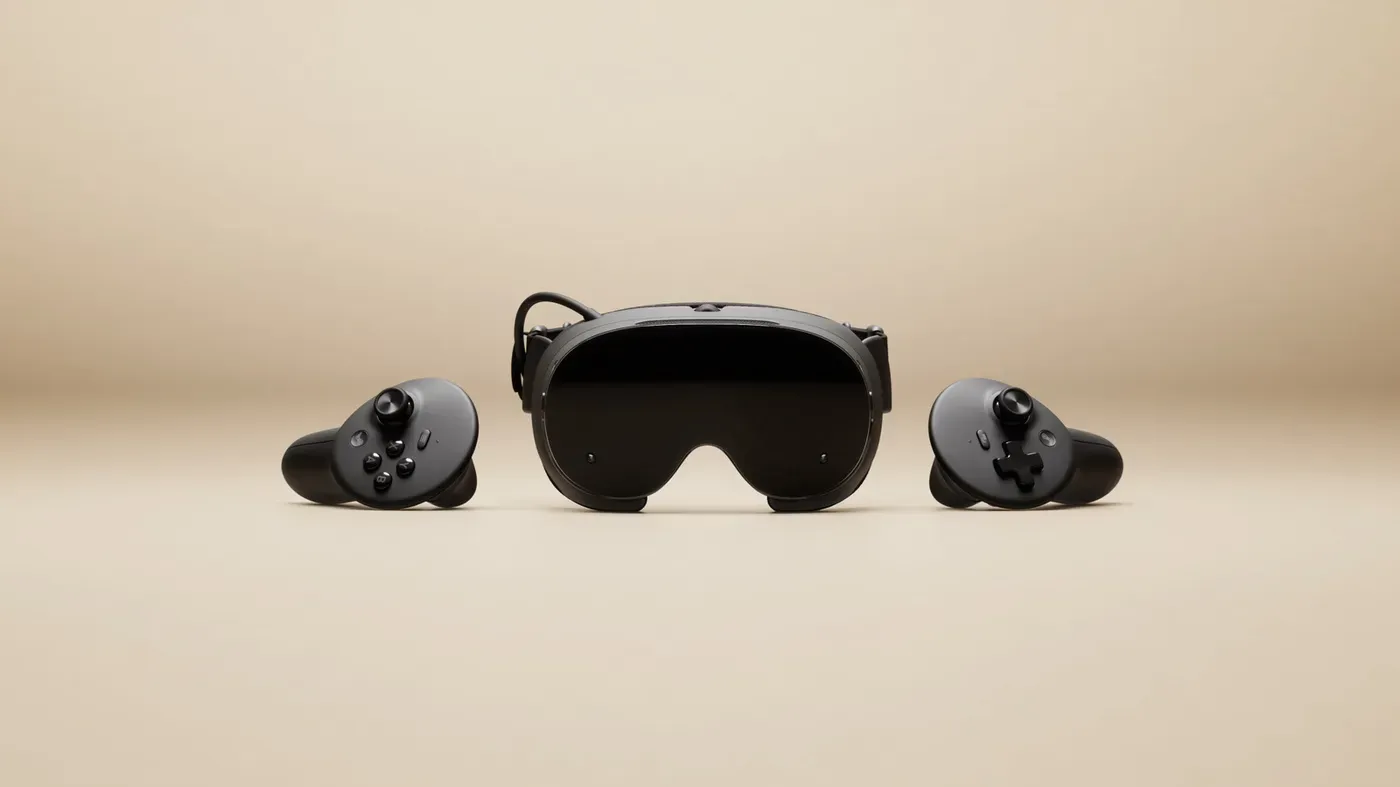
The Steam Frame, Valve's latest foray into virtual reality, has been receiving praise for its repairability, a crucial aspect of any electronic device. However, a closer look at the headset's internal components reveals one major issue that could make future repairs more complicated than they need to be.
At the heart of the problem lies the cooling fan, responsible for keeping the Steam Frame's complex machinery from overheating. The trouble is that this fan is not easily accessible, situated deep within the headset's intricate design. To reach it, users would have to navigate a dense forest of thermal hardware, cables, and other components.
This poses a challenge, especially considering the fan's tendency to accumulate dust over time and eventually wear out. Burying it so deeply makes repairs more complicated than they should be, requiring significant disassembly efforts just to clean or replace the fan.
Fortunately, not all aspects of the Steam Frame's design present such obstacles. The head strap detaches via quick-release latches, allowing users to easily access the rear battery pack without having to worry about the displays.
The headset also features sweat-absorbing parts that can be replaced, including the nose bridge and face and headrest cushions. This attention to hygiene is a welcome design choice, considering the Steam Frame's immersive nature.
The Steam Frame's design makes it easier to repair certain components compared to other VR headsets on the market. The lenses, which are attached magnetically to the headset's IPD rail, can be removed and replaced relatively easily. However, this process still requires some disassembly, including removing screws and cables.
One area where the Steam Frame falls short in terms of repairability is its battery compartment. Unlike many other devices, the battery does not have release tabs, making it more difficult to access and replace. iFixit found that using a combination of isopropyl alcohol and gentle prying was necessary to remove the battery.
The controllers are another area where repairs may be more complicated than expected. The thumbsticks on the controllers are soldered directly to their boards, which means that replacing a broken one would require some advanced technical skills. This could be a problem for users who need to replace a faulty controller.
iFixit is working with Valve to provide replacement parts for the Steam Frame, including lenses and other components. However, at launch, replacement batteries will not be available through iFixit's store, despite plans to offer them in the future.
The Steam Frame's repairability has been put to the test by iFixit, a company known for its teardowns of various devices. The results are promising, indicating that the headset is relatively easy to fix and upgrade.
While this may be a positive aspect of the Steam Frame, it does little to mitigate the device's high price point. Starting at $1,059, the headset costs significantly more than the Meta Quest 3, without offering an equivalent level of improvement in terms of features or performance.
The Steam Frame does boast some notable features, including standalone support for a range of Steam games and wireless PC streaming capabilities. However, its high cost combined with its relatively late arrival to the market make it a challenging sell, especially when compared to other VR headsets that offer similar experiences at lower price points.
Facts based on reporting originally published by Engadget.
You may republish this story, in full or in part, if you credit News Central Site and link to it (licence CC BY 4.0). Photos are not included.