Radiation Damage to Electronic Devices Studied in Experiment
Researchers at North Carolina State University have made progress in understanding how radiation damages electronic devices.
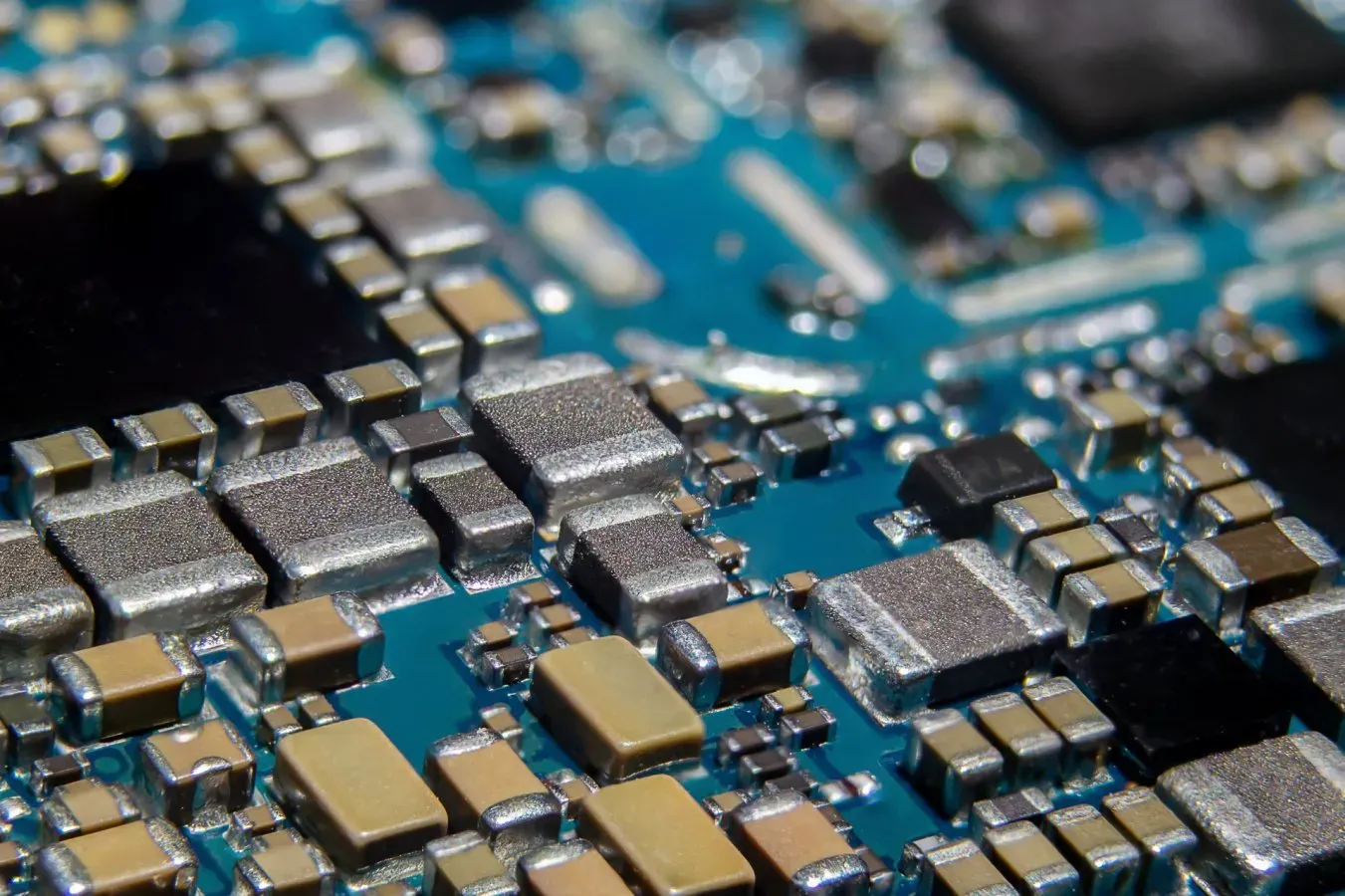
A team of researchers has made significant progress in understanding how radiation damages electronic devices, a crucial step towards developing more resilient electronics for use in extreme environments.
In an experiment that pushed the limits of human endurance, Cristyan Quiñones at North Carolina State University spent nearly three days monitoring a beam of heavy ions as it destroyed an array of electronic devices. The high-stakes research aimed to provide valuable insights into the effects of radiation on electronics.
The researchers focused their attention on a particular type of semiconductor called aluminium nitride, made from aluminium and nitrogen, which is used in electronics components known as diodes. These components are vital for powering electronic devices and have been touted as a promising foundation for future generations of power components.
Aluminium nitride was initially thought to be resistant to radiation exposure, making it an attractive choice for use in high-radiation environments such as space or near nuclear reactors. However, the experiment revealed that even this seemingly resilient material is vulnerable to the effects of radiation.
The team's findings bring them one step closer to understanding the phenomenon known as "single-event burnout" (SEB), where electronic devices rapidly fail due to radiation exposure. By systematically studying this process, the researchers hope to develop more robust electronics capable of withstanding extreme radiation levels.
The process of Single Event Burnout (SEB) has long been a concern for electronic devices used in space, but researchers have yet to thoroughly investigate its effects in experiments.
A recent study, conducted by a team of scientists at North Carolina State University and NASA, aimed to fill this knowledge gap. The experiment involved bombarding aluminium nitride diodes with energetic ions from silver, gold, or the rare earth metal praseodymium.
These ions caused disturbances within the diode's structure, which combined with the applied voltage created a localized electric field. At some threshold voltage, this field became strong enough to trigger an avalanche of electrons onto a small area, leading to a miniature explosion.
Microscopic images from the experiment revealed tiny craters on the surface of the aluminium nitride diodes where SEB had occurred, further supporting the team's conclusions about the mechanism behind this phenomenon.
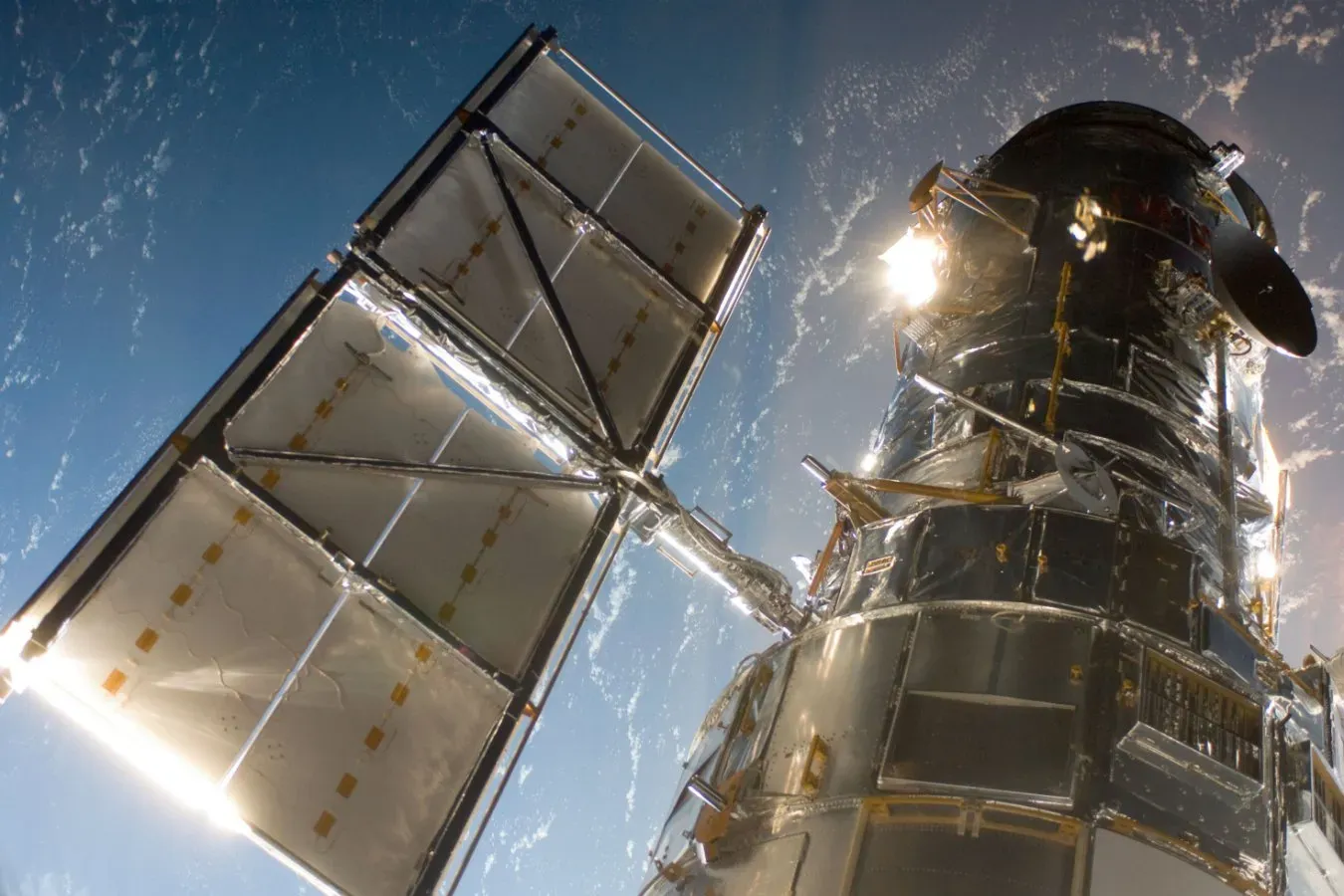
Power systems on spacecrafts are often the most susceptible to damage from space radiation, and even physical shields may not be enough to protect electronics from phenomena like Single Event Burnout (SEB).
According to Schrimpf, studying materials that could potentially withstand such radiation is crucial for the development of more resilient power devices. This research has far-reaching implications beyond space exploration, as it can also inform the design of electronics used in nuclear engineering and radiation therapy.
The scarcity of facilities for testing electronics materials, such as ion beams like the one used in this experiment, adds to the complexity of making electronics ready for space. However, understanding the physical processes behind SEB is key to innovation in this area, says Collazo.
By uncovering the physics behind electron avalanches in aluminium nitride, researchers can now design devices that take into account these specific vulnerabilities and develop principles for more resilient electronic systems.
Facts based on reporting originally published by New Scientist.
You may republish this story, in full or in part, if you credit News Central Site and link to it (licence CC BY 4.0). Photos are not included.