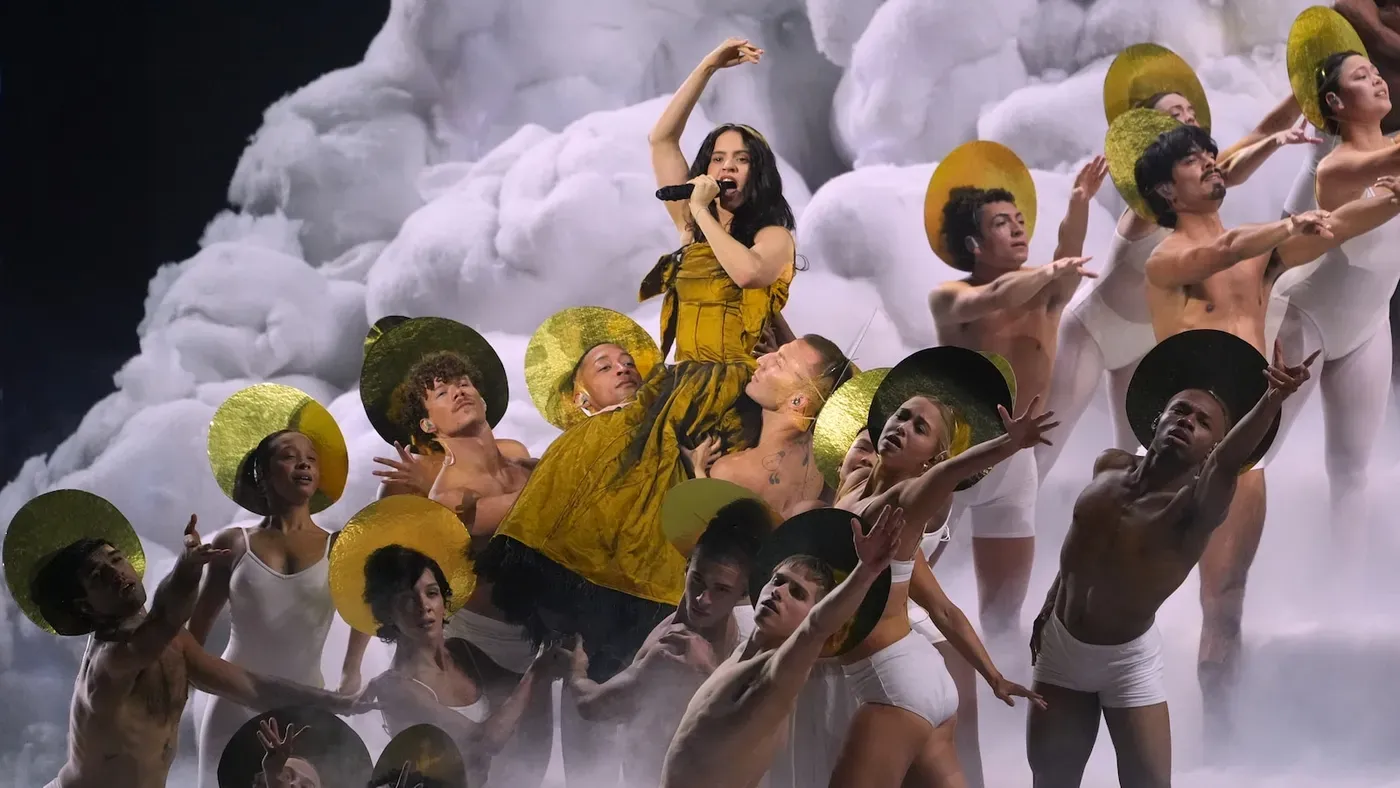
Bobby Pulido accepts award at Latin Grammys
Bobby Pulido accepted an award for best Tejano album at the Latin Grammys while confirming his retirement from music.

Bobby Pulido, a Democrat who recently won a competitive race to flip Texas' Republican-held 15th Congressional district, accepted an award for best Tejano album at the Latin Grammys.
Onstage, he wore his signature cowboy hat as he confirmed his retirement from music but expressed gratitude for representing both the politics and music of Texas. The win marked Pulido's third time taking home this award in this category, although it was his first victory since being elected to Congress. His presence at the ceremony was a notable moment amidst several other politically charged references.
Pulido told the audience that he felt immense pride in representing the Tejano music and culture of Texas. He underscored the significance of being from the Lone Star State and having the opportunity to bring its politics and music to the forefront.
The Latin Grammys have a history of hosting performances that address social issues, including racism in American politics and human rights crises in Mexico.
As Pulido accepted his award, it was clear that he has a deep connection to the Tejano culture and is committed to representing it on both the national stage and in Congress.
The Latin Grammys ceremony was filled with powerful messages of change and representation, echoing a theme that resonated across music and politics.
"We have to represent, Pulido said in his speech, emphasizing the importance of using one's voice for positive impact. The message of empowerment was palpable as artists took to the stage to accept their awards.
The ceremony saw Daddy Yankee crowned Person of the Year, an honor he wore with pride draped in a flowing cape bearing the Puerto Rican flag. He used his platform to emphasize the significance of Puerto Rico's presence on the map.
Silvana Estrada, a Mexican folk musician who has long advocated against femicide in her home country, underscored the critical role musicians play today. We have a super important job, she said, highlighting the responsibility that comes with using one's voice for social justice.
The Latin Grammys have long been a celebration of music and culture from across the region. However, this year's ceremony saw a notable shift towards using the platform to address pressing social issues. Brazilian artist Anitta made headlines when she won the award for best pop contemporary Portuguese album, marking the first time an award in that language was given out during the televised event.
Anitta used her moment in the spotlight to call for unity and recognition of Black culture in Brazil, highlighting the importance of representation and inclusivity. Her words were a powerful reminder that music can be a catalyst for change and social justice. By using her platform to speak out against erasure and promote cultural preservation, Anitta set an example for artists everywhere.
As the ceremony progressed, it became clear that this year's Latin Grammys were not just about celebrating music, but also about amplifying marginalized voices. Artists like Anitta are paving the way for a new generation of musicians who are using their art to advocate for social justice and human rights.
The impact of these performances extends far beyond the stage, with many fans taking to social media to express their support and solidarity with the artists speaking out on behalf of their communities. This shift towards more overtly political music is a welcome development, one that reflects the changing times and the growing demand for representation and inclusivity in all areas of society.
The Latin Grammys have become more than just an award ceremony for music enthusiasts, but a platform to showcase the intersection of art and politics. According to Sayre, the event's founder, this convergence is not surprising given its purpose - to recognize the diverse musical landscape of Latin America.
As political shifts swept across the Western Hemisphere this year, with right-wing movements in some countries and progressive changes in others, music has followed suit, reflecting the changing times. It doesn't split that cleanly, Sayre noted, highlighting the connection between musical and political evolution.
The correlation between artistic expression and societal change is undeniable, with music often serving as a reflection of its cultural context. As Sayre aptly put it, I don't think you can ever look at music, or how we value music, as independent from a political landscape." This understanding underscores the significance of events like the Latin Grammys in today's world.
Facts based on reporting originally published by ABC News Entertainment.
You may republish this story, in full or in part, if you credit News Central Site and link to it (licence CC BY 4.0). Photos are not included.