Ukraine Desperate for More Defense Systems Amid Ongoing War with Russia
The war in Ukraine has left the country struggling to protect its citizens from Russian attacks, with a severe depletion of Patriot missile interceptors exacerbating the situation.
The relentless onslaught of drones and ballistic missiles from Russia has left Ukraine desperate for more defense systems to protect its citizens.
As the war rages on, Kyiv burns night after night, with explosions and sirens becoming a normal pattern in the city. The sound of air raid warnings has become all too familiar for residents, who are forced to seek shelter at a moment's notice.
In this critical situation, Ukraine is counting on the Patriot missile defense system to protect its people from incoming attacks. However, stocks of these interceptors have been severely depleted, leaving a significant gap in the country's defense capabilities.
The thin stockpiles are not just a concern for Ukraine but also for other countries that rely on these systems, including those involved in the war with Iran. The urgent need for more Patriot missiles has become a pressing issue, both for Ukraine and its allies.
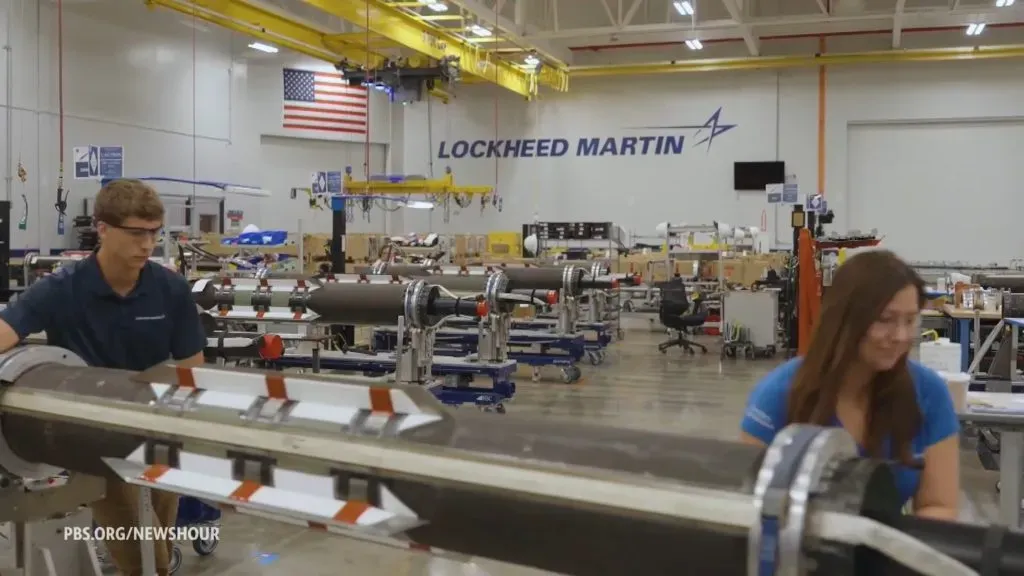
As Richard Bew returned from his mission in Ukraine, he reflected on the crucial role that Patriot missiles have played in defending against Russian airstrikes. The urgency of replenishing these missiles has become increasingly pressing, given reports of a global shortage. Lockheed Martin's production headquarters in Grand Prairie, Texas, is working around the clock to meet the demand.
At the production facility, Bew shared his insights with Mike Cerre, revealing that the company had recently increased its output of Patriots. In fact, last month saw more missiles produced than in either of the preceding months, and next month's production is expected to exceed this month's totals. The emphasis on ramping up production underscores the importance of these missiles in Ukraine's defense.
The complexity and cost of manufacturing a single Patriot missile are significant. According to Lockheed officials, it can take over a year and an estimated $3 million to $4 million to produce one missile. This highlights the challenge of rapidly increasing supply to meet the current demand.
As the production effort continues, Lockheed Martin is working to address the shortage of Patriots while also supporting Ukraine's military efforts through other means. The company's contributions have been instrumental in delivering critical technology equipment and emergency vehicles to frontline units, underscoring its commitment to assisting in the conflict.
To mitigate the shortage of Patriot missiles, Lockheed Martin is taking steps to boost its production capacity. The company is expanding its facilities and workforce, as well as forming joint ventures in other industries to maintain a stable supply chain for critical components.
These components account for more than half of a missile's assembly, underscoring their importance in the manufacturing process. By diversifying its partnerships and increasing production capabilities, Lockheed Martin aims to meet the growing demand for Patriot missiles.
The company's projections indicate that it can produce 600 missiles per year, up from the current rate of 400. However, with the rapid depletion of existing stockpiles, this target may not be sufficient to meet the demands of military operations in the region.
Lockheed Martin's president of missile and fire control business, Tim Cahill, notes that the growing need for interceptors is a result of changing warfare dynamics, where prolonged conflicts require larger numbers of missiles.
The development of new missile systems is underway to address emerging threats on the battlefield. The PAC-3 ACE, designed by Lockheed Martin, promises a significant boost in performance at a lower cost, making it an attractive option for military forces. This system is intended to counter targets that are less sophisticated than those currently being tackled by the PAC-3 version.
The PAC-3 ACE's design allows it to fit seamlessly into existing Patriot units, providing an efficient and effective solution for addressing emerging threats. However, some experts caution that this new system may not be sufficient against more advanced missile systems such as ballistic or hypersonic missiles. Those types of threats will continue to require the use of more advanced systems like the PAC-3 MSE.
Lockheed Martin is also exploring alternative solutions to address the growing threat posed by Russian Shahed drones. One option being considered is the reconfiguration of existing weapon systems to create a more effective countermeasure. Additionally, the company has developed a new drone interceptor capable of taking down multiple targets at once, which could be deployed in limited numbers to Ukraine or other hotspots by the end of the year.
The development of these new systems comes as the military struggles to maintain its stockpiles of missile interceptors, a challenge that has been ongoing since the end of the Cold War. The steady loss of weapons surge capacity has left the military vulnerable to emerging threats, highlighting the need for innovative solutions like those being developed by Lockheed Martin.
The ongoing conflict in Ukraine has highlighted the need for sufficient stockpiles of defense systems such as Patriot missiles. According to experts, having enough inventory is crucial for deterring adversaries, and a shortage could compromise national security.
As the US continues to supply its current stockpile of Patriots to Ukraine, it risks depleting its own reserves. This situation has been exacerbated by the fact that the country also needs these systems for its own homeland defense. The depletion of Patriot missiles has significant implications for the military's ability to respond to emerging threats.
During a visit to Ukraine, American volunteers observed how local forces are trying to bridge the gap in armed supplies by manufacturing their own defense systems. They were briefed by a Ukrainian military commander on the specific needs required to counter Russian aggression. The commander emphasized the importance of having sufficient stockpiles to hold off the advancing forces.
The conflict's dynamics have shifted multiple times, with initial predictions of a swift Russian victory giving way to Ukraine's effective use of Javelin missiles to halt Russian convoys. This experience has had a profound impact on those who witnessed it firsthand, emphasizing the need for innovative solutions and sufficient stockpiles to counter evolving threats.
As the conflict in Ukraine shows no signs of resolution, the need for effective defense systems becomes increasingly pressing. The threat of Russian aerial attacks has prompted concerns about the sufficiency of existing missile stocks, particularly for the Patriot missile system.
The experience of witnessing these attacks firsthand underscores the importance of being proactive in addressing emerging threats. With ongoing conflicts in both Ukraine and the Middle East, it is likely that the demand for defense systems will continue to rise.
Facts based on reporting originally published by PBS NewsHour World.
You may republish this story, in full or in part, if you credit News Central Site and link to it (licence CC BY 4.0). Photos are not included.