Climate Change Increases Risk of Bat-Borne Diseases Spreading to Humans
A new study warns that climate change and habitat loss could increase the risk of bat-borne diseases spreading to humans, highlighting the potential for natural ecosystems to be disrupted.
Bats are known to carry some of the world's most deadly viruses, but a new study warns that climate change and habitat loss could increase the risk of these diseases spreading to humans.
A team of researchers from Adelaide University has conducted an international review of bat-borne diseases, including Ebola, Marburg, Nipah, Hendra, and Australian bat lyssavirus. The study was published in the journal The BMJ, where it highlights the potential for these diseases to spread as natural ecosystems are disrupted.
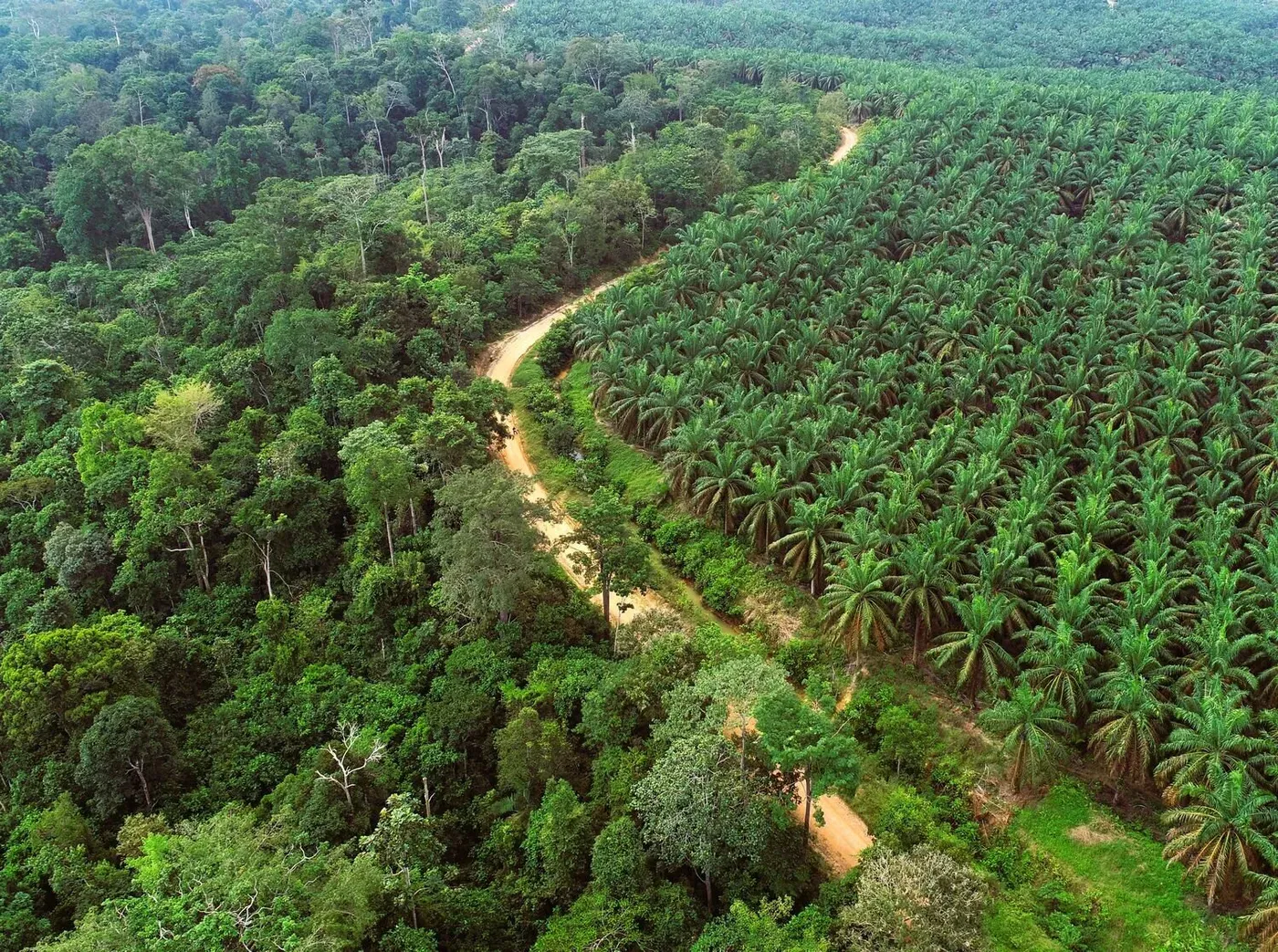
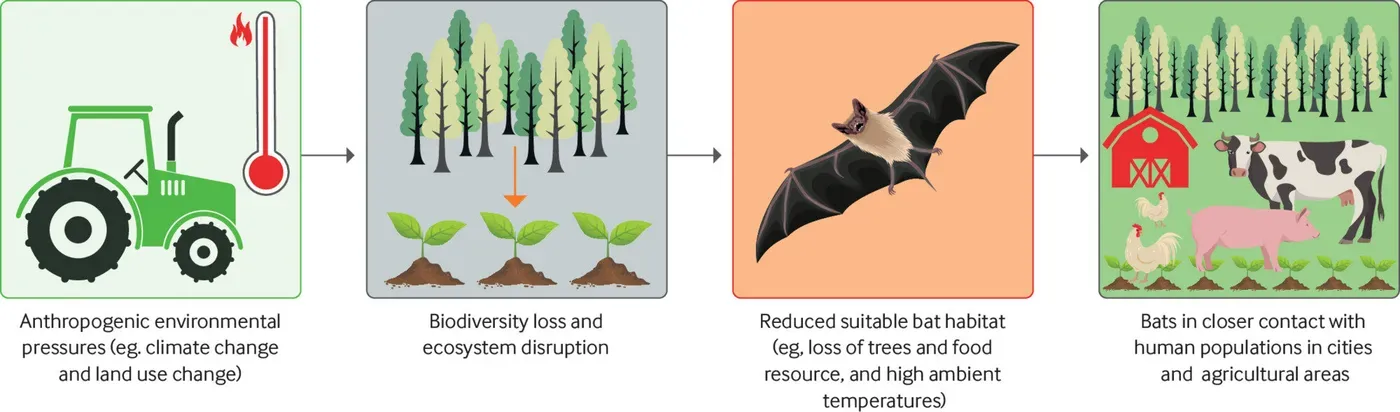
The researchers point out that rising temperatures, deforestation, and biodiversity loss are having a significant impact on bat habitats and behavior. As a result, bats are being forced to live in closer proximity to humans and domestic animals, increasing the opportunities for contact between species.
A recent mass mortality of flying foxes in Australia's eastern states has been attributed to starvation and weather conditions associated with habitat loss and climate change. The study suggests that this is not an isolated incident, but rather a symptom of a larger problem.
The pressures of climate change and habitat loss are having a profound impact on bat populations worldwide. As natural habitats shrink, bats are being forced to adapt to new environments, which could lead to increased interactions between humans and these flying mammals.
Bats play a vital role in maintaining the health of ecosystems, serving as pollinators, seed dispersers, and insectivores that help control mosquito and agricultural pest populations. This underscores the importance of protecting bat habitats and preserving their ecological contributions.
Protecting bats is crucial because changes to their environments could ultimately have serious consequences for human health. The irony lies in the fact that efforts to safeguard these ecosystems are being undermined by human activities.
Reducing the risk of future outbreaks will require a multi-faceted approach, including habitat restoration, minimizing human contact with infected animals, and developing more effective vaccines and treatments.
Cities are not immune to habitat destruction, as trees are being cleared to make way for urban development, posing a threat to biodiversity.
The loss of mature trees in Adelaide is particularly concerning, as these natural habitats play a crucial role in safeguarding the city's ecosystem and reducing the risk of emerging infectious diseases.
When human activities such as agriculture encroach on natural habitats, bats can come into closer contact with livestock, creating opportunities for viruses to spread between species.
The Hendra virus in Australia and Nipah virus in parts of Asia serve as examples of how viruses can jump from bats to other animals and eventually to humans.
As Australia prepares for another scorching summer, experts are sounding the alarm about the potential for deadly bat-borne diseases to spread among humans.
Rising temperatures put immense pressure on bats, which can lead to an increase in the amount of virus they release into their environment, according to Associate Professor Wayne Boardman from Adelaide University's School of Animal and Veterinary Sciences. He warns that this could have devastating consequences for human health.
Heat waves not only stress out bats but also make them more susceptible to heat exhaustion, increasing the likelihood of people coming into contact with infected animals. This is a major concern, as it can lead to the transmission of diseases from bats to humans.
A creative solution has been implemented in Adelaide, where a large sprinkler system has been installed near the city's flying fox colony to keep bats cool during heat waves. The system, situated 15 meters above ground level in the tree canopy, is designed to protect both wildlife and human health by reducing the risk of contact between people and infected animals.
To combat bat-borne diseases, it is essential to prioritize environmental conservation. This involves safeguarding the habitats that bats rely on for survival.
By restoring natural environments and reducing human impact, we can minimize the likelihood of bats being forced into close proximity with humans.
Facts based on reporting originally published by Phys.org.
You may republish this story, in full or in part, if you credit News Central Site and link to it (licence CC BY 4.0). Photos are not included.