Luiz Inácio Lula da Silva Wins Presidential Runoff in Brazil
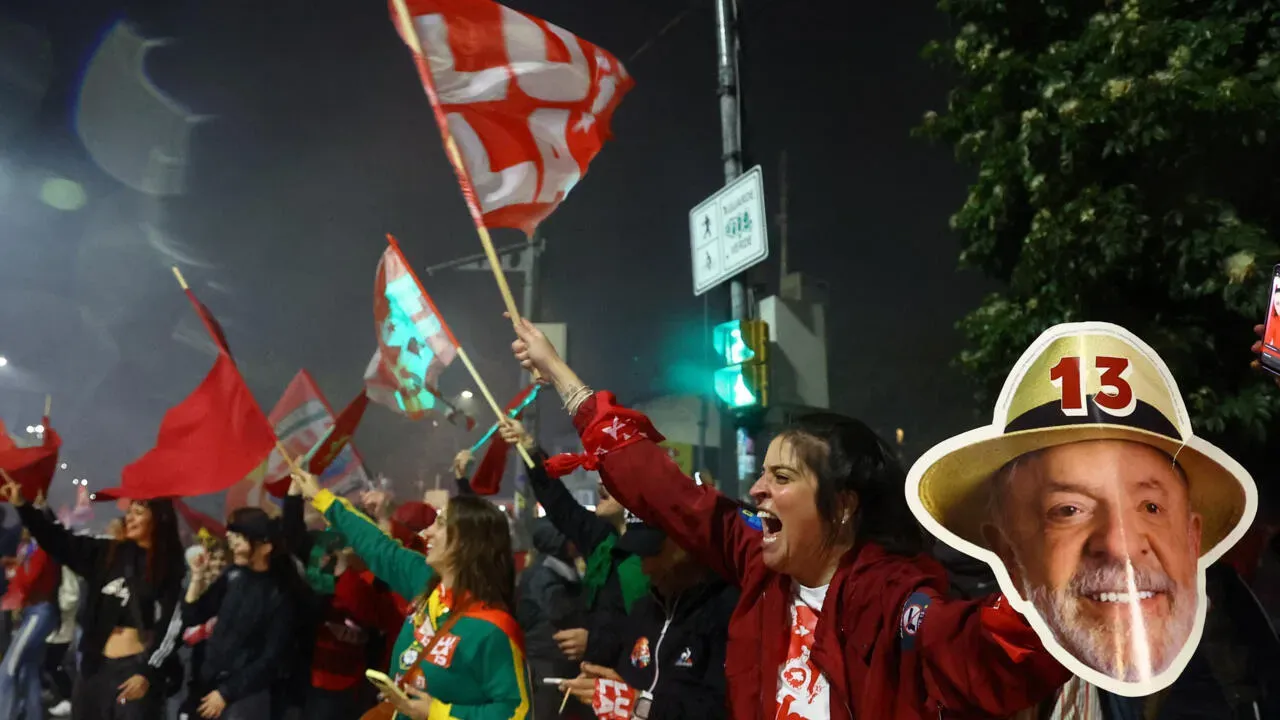
Luiz Inácio Lula da Silva has won the Brazilian presidential runoff with over 10 million votes.
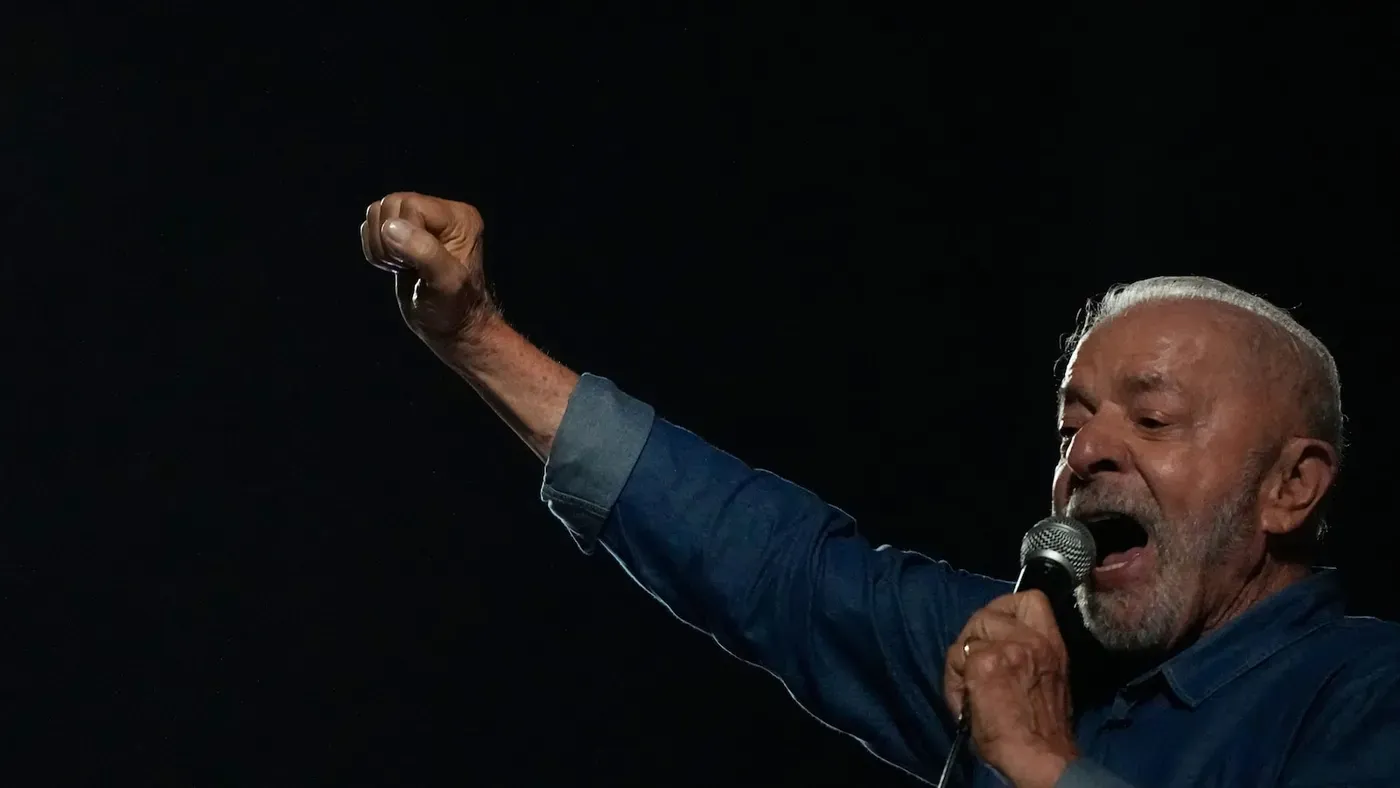
Brazil's presidential runoff has seen a decisive victory for Luiz Inácio Lula da Silva, who is set to return to office after convincing over 10 million voters to support him.
Lula's comeback has sparked concerns about the potential for controversy, as his opponent, Sen. Flávio Bolsonaro, has announced plans to challenge the results of the election.
Bolsonaro, son of former President Jair Bolsonaro, had campaigned on a promise to strengthen ties with the United States and align with the Trump administration, which could have significant implications for Brazil's regional role.
The stage is now set for a potential showdown between Lula and Bolsonaro, two politicians who embody opposing ideologies and will likely face off in a battle of wills.
Lula is expected to take office on January 5, 2027, marking his fourth non-consecutive term as president.
The margin of victory for Luiz Inácio Lula da Silva in Brazil's presidential election has been confirmed as nearly 4%, with over 64 million votes compared to just under 60 million for his opponent.
Recognition of Lula's win came from Kassio Nunes, the president of Brazil's electoral authority and a Supreme Court appointee by outgoing President Jair Bolsonaro. This endorsement highlights the widespread acceptance of the results across various sectors of Brazilian society.
The path ahead for Flavio Bolsonaro is expected to be challenging, with influential power brokers in Brazil increasingly rallying behind Lula, albeit sometimes begrudgingly. Analysts suggest that key stakeholders are not eager to engage in a contested election process, which could lead to further polarization and instability.
Brazil's electoral system has been built on electronic voting machines since the 1990s, designed to prevent fraud and ensure swift results. The country's experience with these machines has generally been positive, with no significant cases of manipulation or tampering detected over the years, despite some concerns raised by outgoing President Bolsonaro in the run-up to the election.
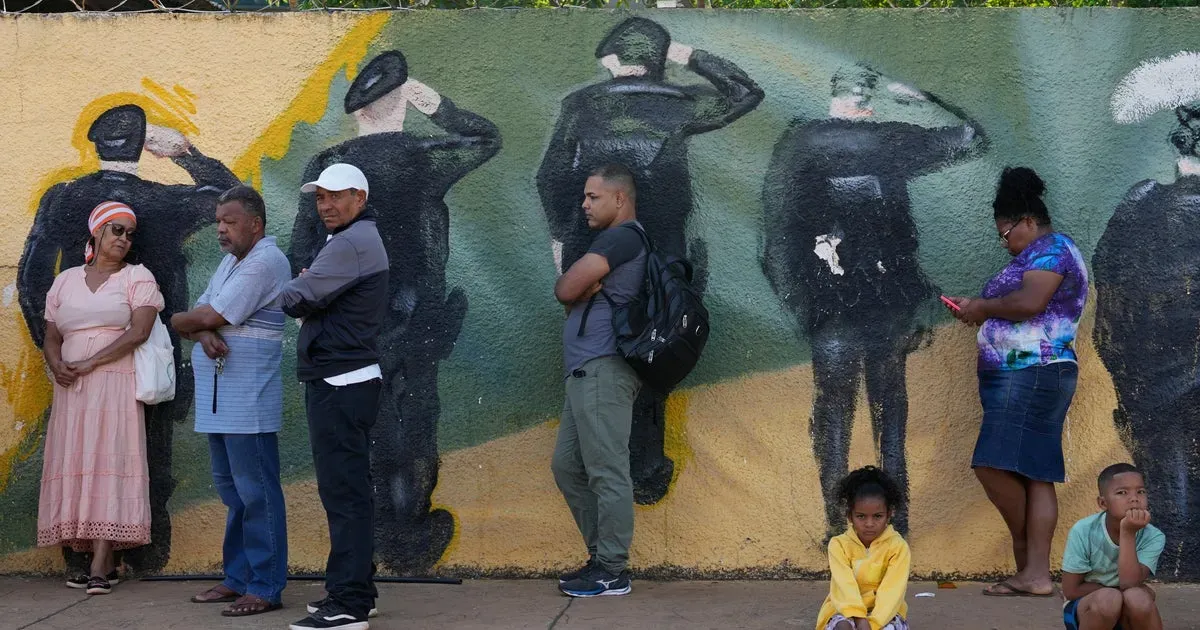
In a last-ditch effort to influence the outcome of Brazil's presidential election, outgoing President Jair Bolsonaro requested an extension of voting hours due to heavy rains in some regions. Meanwhile, his opponent, Luiz Inácio Lula da Silva, made a similar request for areas with public transportation issues.
Just minutes before polls were set to close at 5 p.m., a Supreme Court justice granted the extensions, but many polling stations had already finished counting votes by the time they received the news. Despite this, Brazil's voting system is considered reliable and Lula's lead in the election suggests that overturning the results may be difficult for Bolsonaro.
Bolsonaro's party will still hold significant influence in Congress, where they are expected to have more seats than any other party. This could make it challenging for Lula to implement his policies and address pressing issues such as a possible fiscal crisis.
As Lula prepares to take office, he faces an uphill battle due to Brazil's deeply polarized politics, which may hinder his ability to pass legislation and deliver on campaign promises.
Facts based on reporting originally published by ABC News International.
You may republish this story, in full or in part, if you credit News Central Site and link to it (licence CC BY 4.0). Photos are not included.