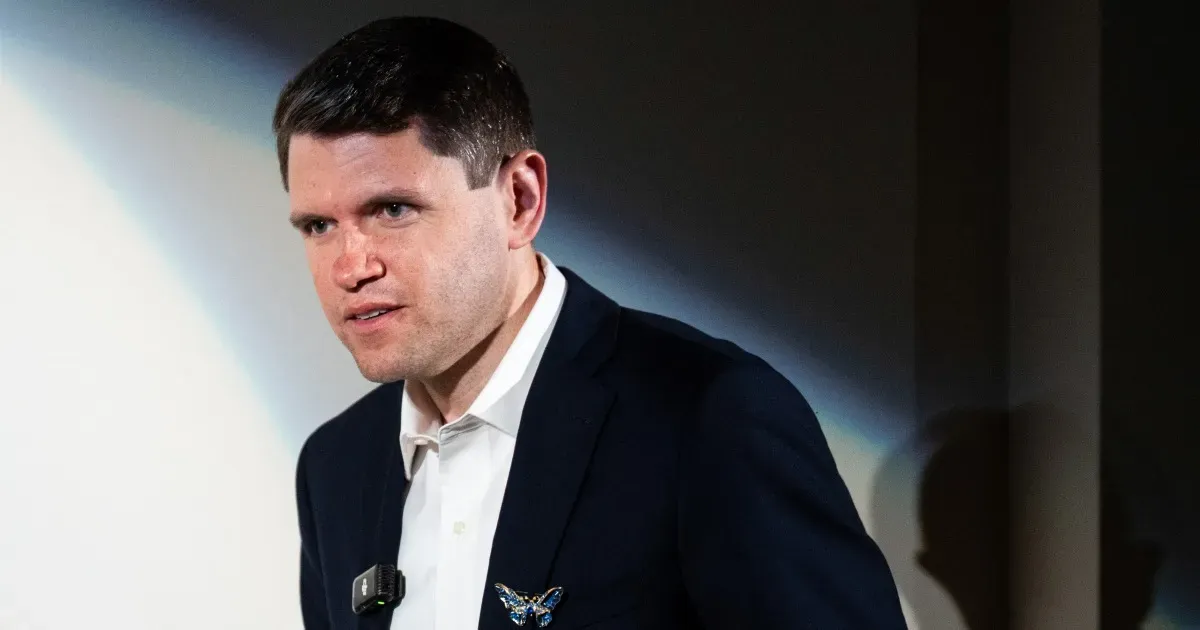
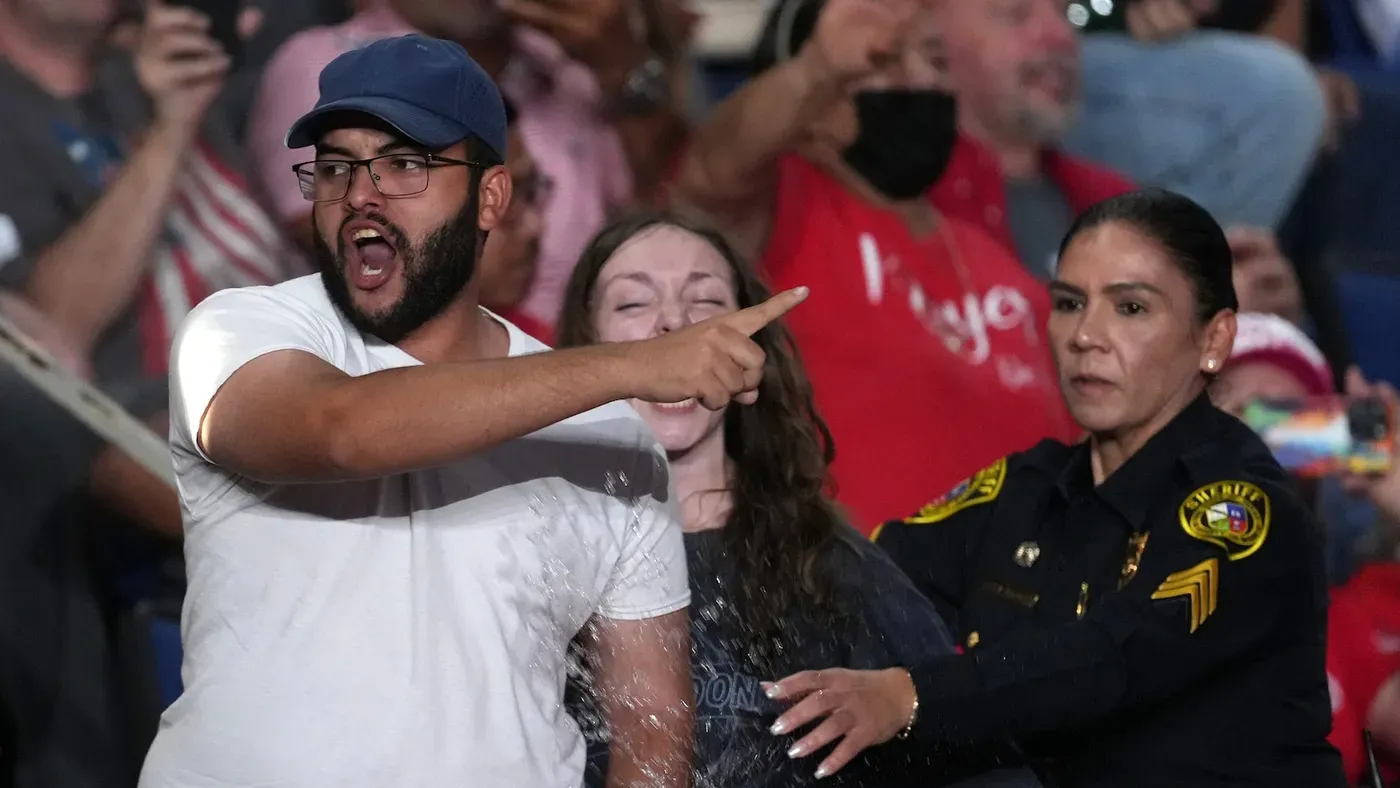
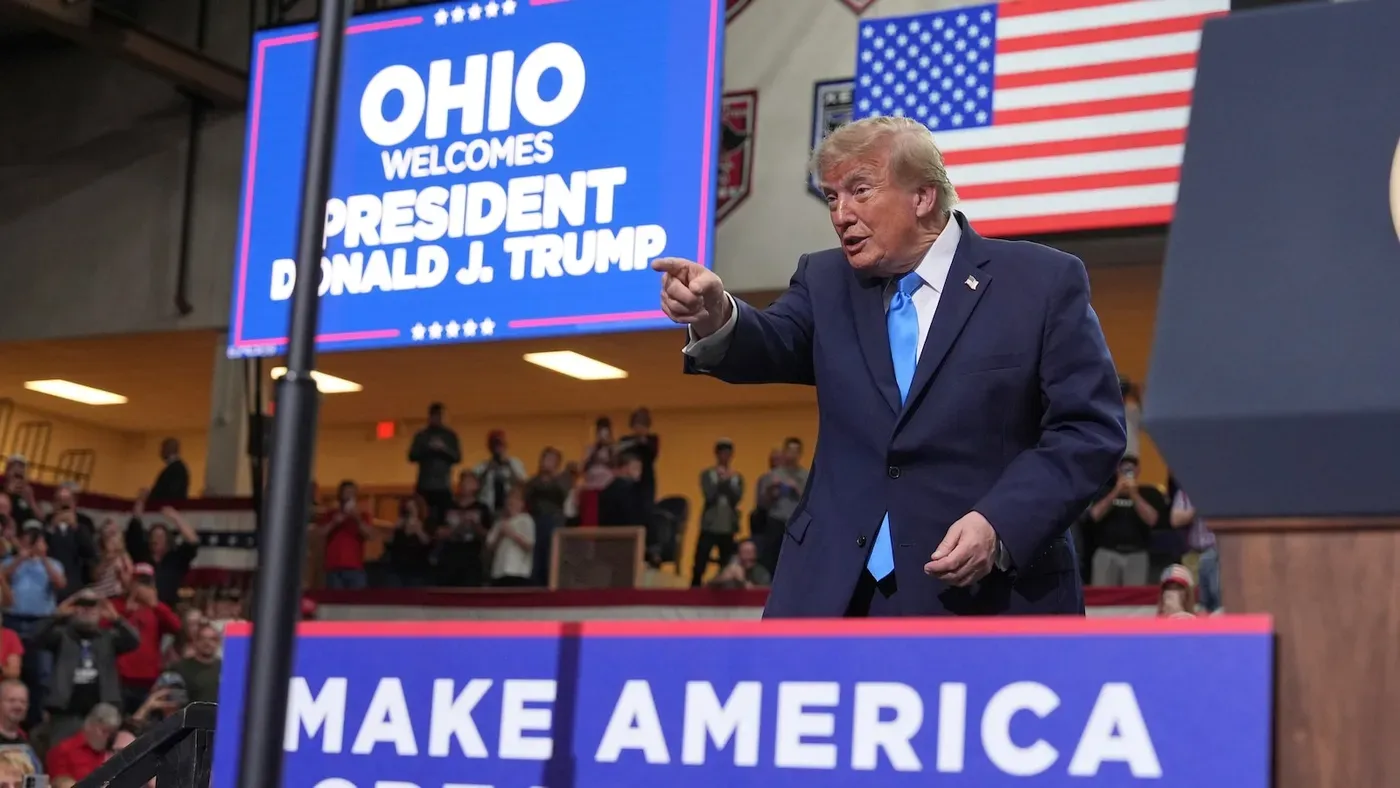
Benjamin Netanyahu Faces Scrutiny Over Handling of October 7 Attacks
Netanyahu's leadership is being scrutinized as Israel prepares for elections in less than three weeks.
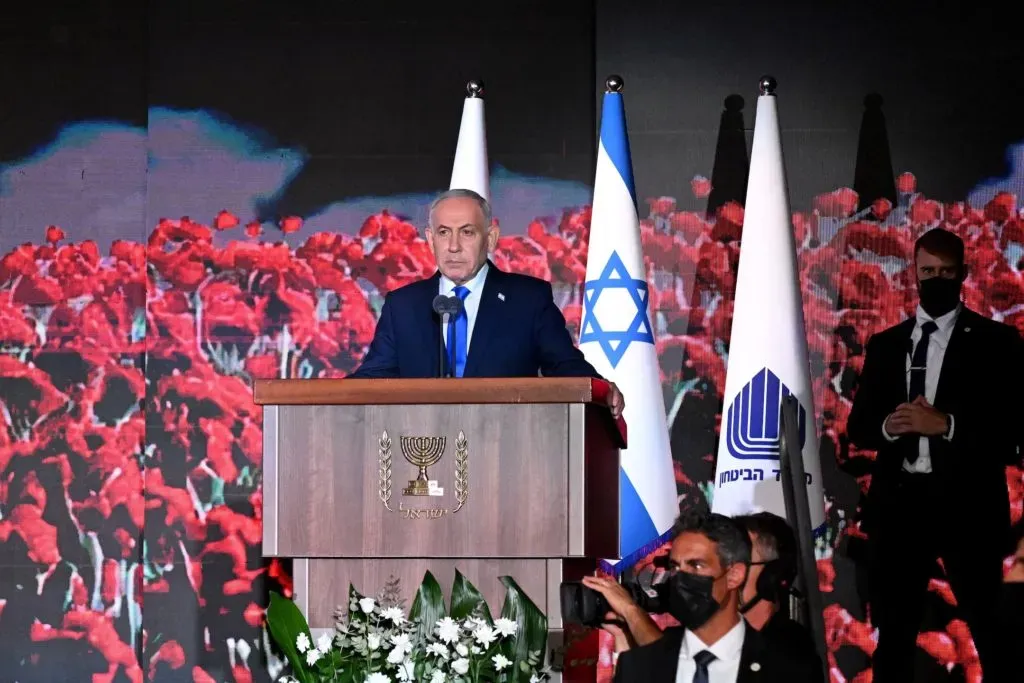
Israel is on a fast track to elections in less than three weeks, which could see Benjamin Netanyahu extend his record-breaking tenure as leader.
Netanyahu's close relationship with the Trump administration has been a defining feature of his time in office, with the two entities working in tandem since President Trump returned to the presidency. The alignment between the US and Israeli governments has led to significant policy shifts on issues such as the Middle East peace process.
The anniversary of the devastating October 7 attacks was marked across Israel yesterday, but as the nation prepares for elections, the country is still grappling with the aftermath of those traumatic events and their impact on its politics.
As the Israeli election season heats up, officials are scrutinizing Prime Minister Benjamin Netanyahu's handling of the October 7 attacks, which left scores dead and many more displaced.
In a move that could have significant implications for the campaign, US diplomats in Israel have been reviewing documents and internal communications related to the government's response to the attacks. This review is likely to shed light on whether Washington policymakers received accurate and timely information about what was happening on the ground.
Former US Ambassador Daniel Shapiro has weighed in on the importance of clear reporting from embassies. He emphasized that diplomats need unbiased, unvarnished information about local developments to effectively serve the country's interests.
The controversy surrounding Prime Minister Netanyahu's handling of the October 7 events continues to dominate discussions ahead of Israel's election. According to sources, a memo detailing his response to the attacks was never sent to Washington, fueling questions about his leadership during this critical period.
Ambassador to Israel Mike Huckabee has responded to the allegations, dismissing them as a "hit piece. He categorically refuted the claims, stating that the embassy's reporting should reflect the ambassador's own views and judgments. This assertion highlights the complex relationship between diplomatic reporting and policy-making, where ambassadors must balance objectivity with their role in shaping Washington's stance on key issues.
As the election approaches, the shadow of Hamas terrorist attacks continues to loom large over Israeli politics. With three years having passed since the events, the impact of those incidents remains a dominant theme in the campaign. The ongoing debate surrounding Netanyahu's handling of the crisis is likely to persist as voters weigh their options and consider what kind of leadership they want for their country.
The October 7 attacks have become a central issue in Israel's election, with voters weighing Netanyahu's handling of the crisis against his opponents' claims that he was unprepared and slow to respond.
Opposition candidates, led by Gadi Eisenkot as part of a coalition of parties, are criticizing Netanyahu for having policies that underestimated Hamas' capabilities and intentions in Gaza. They argue that this lack of preparation and response in real time contributed to the severity of the attacks. This criticism aims to cement the case against Netanyahu continuing in office.
Netanyahu's allies, however, deflect blame onto security and intelligence chiefs, as well as generals in the military, saying they were asleep at the switch". This shift in responsibility raises questions about accountability for the handling of the crisis.
The opposition's claims are being made to voters who will soon cast their ballots and decide what kind of leadership they want for their country. The debate surrounding Netanyahu's role in the October 7 attacks is likely to persist as voters weigh their options.
The handling of the October 7 attacks has become a contentious issue in Israel's election, with voters questioning Prime Minister Benjamin Netanyahu's role in the events leading up to the assault.
Critics argue that Netanyahu was not adequately informed about the situation on the morning of the attack, and that he did not have sufficient time to make key decisions in response. This lack of preparedness has sparked debate over Netanyahu's ability to effectively handle security threats facing Israel.
In an effort to regain support from his traditional base, Netanyahu is attempting to convince voters that he remains a capable leader who can address the country's ongoing security concerns. However, with polls indicating a close election outcome, it is possible that neither major party will secure enough seats to form a coalition government.
The fallout from this potential stalemate could see Netanyahu remaining in office as a caretaker prime minister until another election is held in a few months' time.
The handling of the October 7 events is emerging as a critical factor in Israel's upcoming election. This development could potentially make it easier for US President Donald Trump to achieve his objectives in the Middle East during his remaining two years in office.
With a prime minister other than Benjamin Netanyahu and his extreme right-wing coalition, Trump's advisors believe that advancing initiatives like rebuilding Gaza, normalizing relations between Saudi Arabia and Israel, and expanding the Abraham Accords might be more feasible.
Facts based on reporting originally published by PBS NewsHour Politics.
You may republish this story, in full or in part, if you credit News Central Site and link to it (licence CC BY 4.0). Photos are not included.