Global Fossil Fuel Emissions Projected to Fall Slightly in 2026
A modest decline in global fossil fuel emissions is expected for the first time since the Covid pandemic, attributed to renewable energy expansion and an oil price shock triggered by the conflict in Iran.
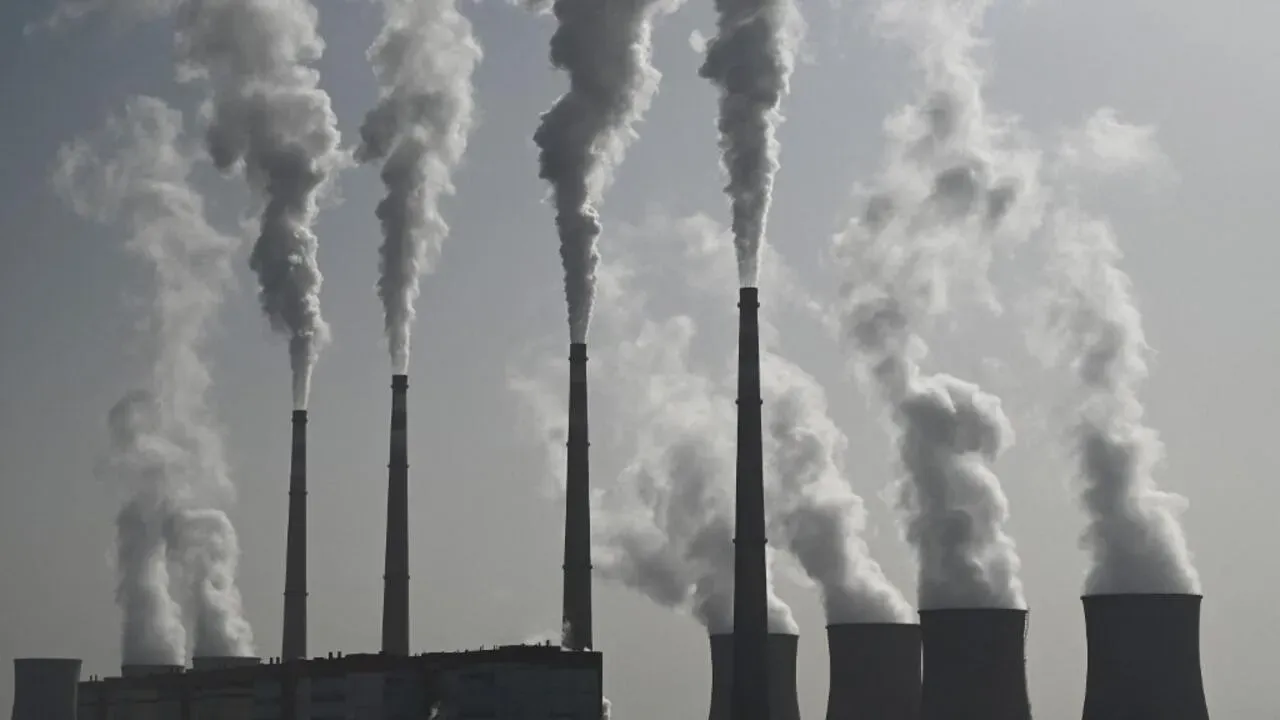
Global fossil fuel emissions are projected to fall slightly in 2026 for the first time since the Covid pandemic. This decline is attributed to the rapid expansion of renewable energy sources and a significant oil price shock triggered by the ongoing conflict in Iran.
According to recent research, the burning of oil, gas, and coal, primary contributors to climate change, experienced an average annual increase of 0.9 percent over the past decade, culminating in a record high in 2025. This trend has been extensively documented in the Global Carbon Budget report.
The impending decline in emissions is expected to be modest, with forecasts indicating a drop of approximately 0.4 percent in 2026. This development comes as nations gather at the UN's COP31 climate summit in Antalya, Turkey, where discussions on global environmental policies are underway.
Notably, this projected decrease marks the first annual decline since 2020, when the Covid pandemic severely impacted the global economy and led to a significant reduction in emissions. The pandemic had effectively paralyzed international trade and transportation, resulting in a substantial drop in fossil fuel consumption.
The current oil price surge, largely driven by the Iran conflict and closure of the Strait of Hormuz, has also contributed to the anticipated decline in emissions. Researchers have highlighted this development as a significant factor in reducing global oil consumption, which is expected to continue affecting emissions levels throughout 2026.
The shift towards cleaner energy sources is gaining momentum globally, with solar and wind power, as well as electric vehicles, increasingly meeting rising energy demands.
According to a recent report, two-thirds of the increase in global energy demand is now being met by these sustainable alternatives, which are contributing significantly to the decline in fossil fuel emissions.
Experts warn that while a reduction in emissions is welcome, it's not a long-term solution if driven by temporary factors such as geopolitical shocks. The rapid deployment of clean energy technologies remains the key to addressing climate change.
The researchers point out that emissions tend to rebound when economies recover from shocks like the Covid pandemic or global financial crisis, and this pattern may repeat itself once oil tensions subside.
The report projects that total CO2 emissions will rise to 43.3 billion tonnes this year, up from 42.8 billion tonnes last year. This includes emissions from land-use change such as deforestation. The increase in land-use emissions is attributed partly to peat fires and forest degradation in southeast Asia.
Drier conditions linked to the exceptionally strong El Nino climate pattern have contributed to these environmental issues. As a result, the world's carbon budget, the amount of CO2 that can be emitted before global warming exceeds 1.5C above pre-industrial levels, remains at a critical level.
The carbon budget stands at 150 billion tonnes, with scientists warning that it would be exhausted in less than four years if current trends continue. This is a stark reminder of the urgent need to reduce greenhouse gas emissions from fossil fuels.
Nations agreed to keep global warming "well below" 2C above pre-industrial levels, but the long-term target of limiting warming to 1.5C now seems increasingly unlikely to be met.
Facts based on reporting originally published by France 24 English.
You may republish this story, in full or in part, if you credit News Central Site and link to it (licence CC BY 4.0). Photos are not included.