Hudson Loses Congressional Seat in North Carolina
Rep. Richard Hudson of North Carolina lost his seat in Congress to challenger Richard Ojeda, marking a significant upset for the Republican party.
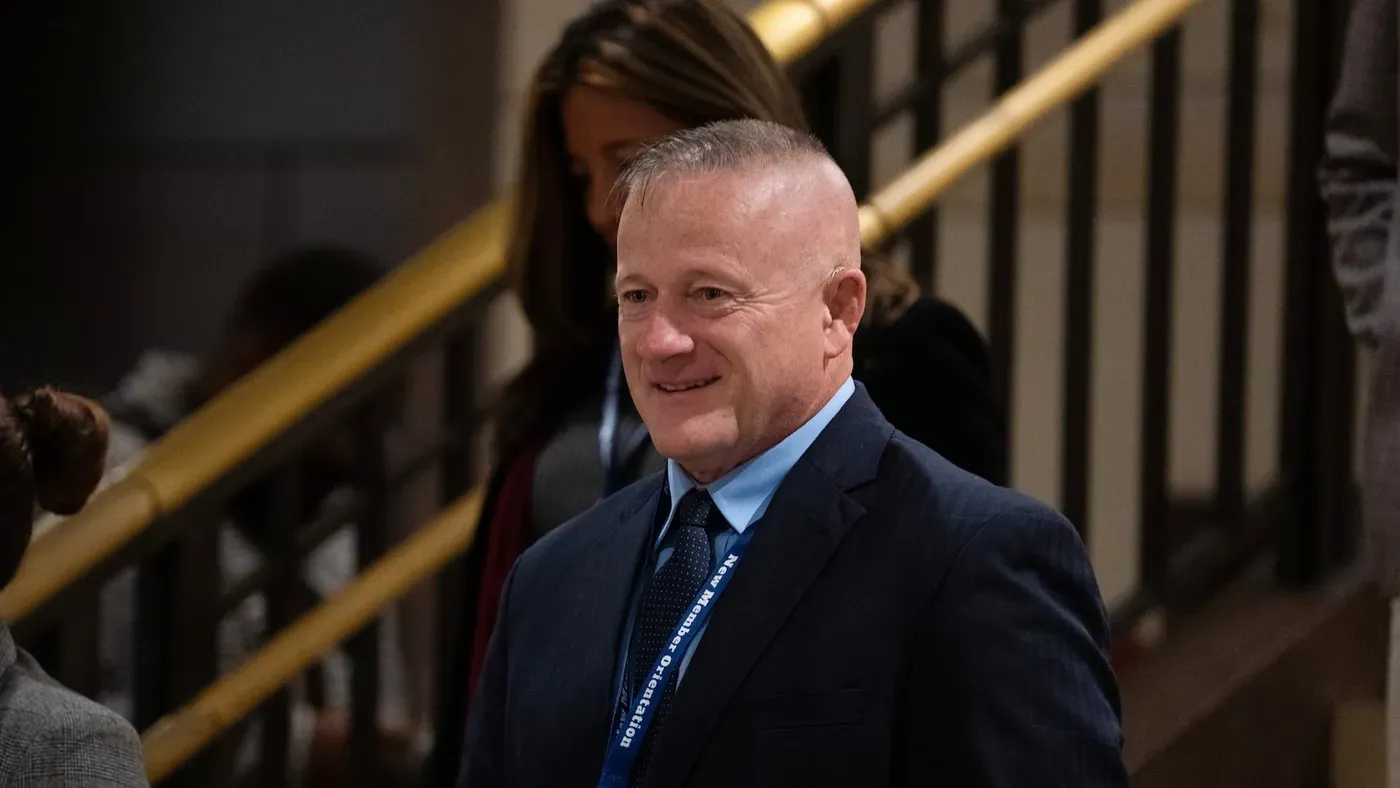
In a stunning turn of events, Rep. Richard Hudson of North Carolina lost his seat in Congress to challenger Richard Ojeda. This is particularly noteworthy given that Hudson was the chair of the National Republican Congressional Committee, which is responsible for supporting House campaigns.
Hudson's loss can be attributed in part to the struggles faced by Republicans in North Carolina this year. The party had initially invested heavily in Michael Whatley, their U.S. Senate candidate, but as he failed to gain momentum against Democratic nominee Roy Cooper, support began to dwindle.
As a result of this shift in resources, Hudson was unable to secure the backing he needed from his own party. This ultimately proved to be a decisive factor in his loss to Ojeda, who ran on a liberal platform and capitalized on growing discontent with Republican policies among North Carolina voters.
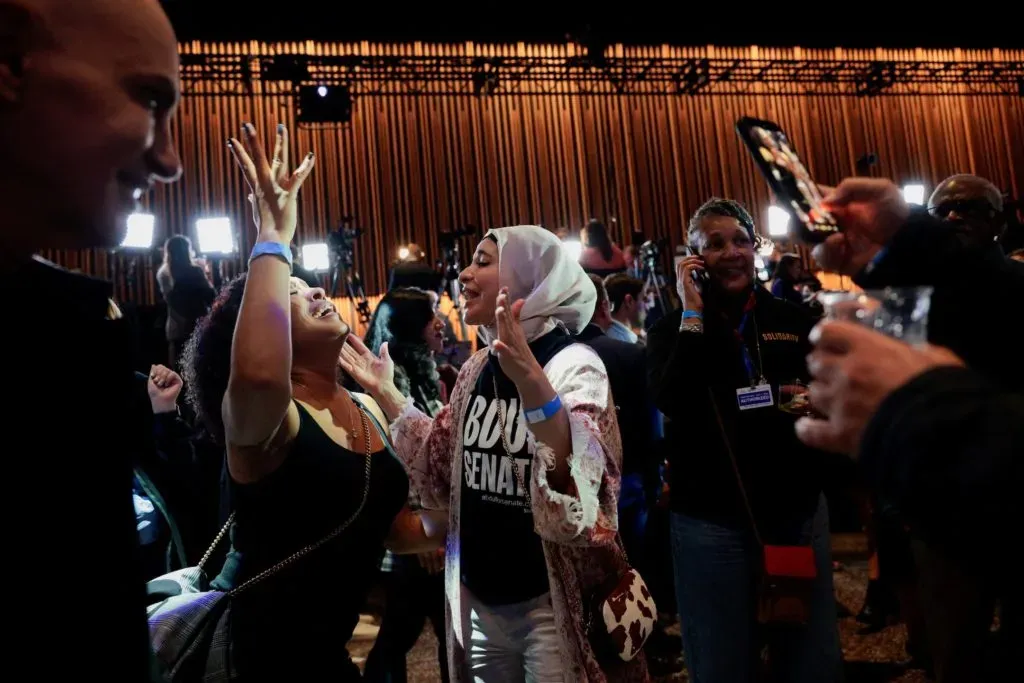
Ojeda's victory is part of a larger trend of Democratic successes this year, which saw the party gain significant ground in traditionally Republican strongholds. In fact, Rep. Suzan DelBene, chair of the Democratic Congressional Campaign Committee, hailed the results as evidence that Democrats are capable of winning even in deep red territory.
As Ojeda prepares to take his seat on Capitol Hill, he is one of several newcomers who have pulled off upset victories this year. Their presence is likely to inject fresh perspectives and ideas into Congress, and could potentially reshape the dynamics of the House.
Colorado Springs, a city long considered a conservative stronghold, has been undergoing a gradual shift towards moderation. This transformation is partly due to an influx of young families moving into the area, which has altered the demographic makeup of the city.
The presence of major military installations in Colorado Springs, including NORAD and Fort Carson, has also contributed to this shift. Many local veterans have expressed dissatisfaction with President Trump's approach to national defense and foreign policy, particularly regarding the Iran war.
Jessica Killin, a Democrat and former Army captain, successfully capitalized on these sentiments during her campaign against Rep. Jeff Crank. She portrayed herself as a moderate alternative to Crank, who had previously led the Colorado chapter of Americans For Prosperity.
In Nevada's 2nd Congressional District, Teresa Benitez-Thompson made history by becoming the first Democrat to win a seat in this area. Her victory was largely due to her opponent David Flippo's campaign woes, including accusations of exaggerating his military record and failing to release required financial disclosures on time.
Nevada's congressional seats are now exclusively held by Democrats for the first time in history.
In southeast Wisconsin, Republican Rep. Bryan Steil had a strong track record of winning elections by significant margins, often with at least 9 points separating him from his opponents. His predecessor, former House Speaker Paul Ryan, also held the seat for two decades before stepping down. Prior to Ryan's tenure, no Democrat had managed to secure this seat since 1993.
Despite these factors working against her, Democratic newcomer Mitchell Berman successfully tapped into voter discontent and leveraged his middle-class background to win the election by nearly 4 points over Steil. As an emergency room nurse, Berman was able to connect with voters on a personal level.
The outcome of this election has significant implications for Wisconsin politics, as Steil was widely regarded as a potential candidate for the U.S. Senate in future elections. His loss may create opportunities for other Republican candidates to step forward and vie for the seat.
In another unexpected turn of events, Democrats secured a victory in a district that had not elected one of their own since 2012. The seat became available after Republican Rep. Tony Gonzales announced he would not seek reelection following an admission about his personal life.
The congressional map in Indiana was redrawn in 2021 to make the district even more conservative, a move that seemed to seal the fate of Democrat Leticia Gutierrez's opponent in a previous election. However, Gutierrez defied expectations and secured a significant victory by beating Republican Alex Mealer by over 15 points.
Gutierrez had stated in an interview with The Associated Press that many Democrats and their donors initially considered her seat a lost cause, feeling it was too conservative to win. They believed investing time, money, and resources into her campaign would be futile given her lack of experience in congressional campaigns.
This outcome has raised eyebrows, particularly since the district had previously been seen as unwinnable for Democrats. The redrawn map made it even more Republican-leaning, yet Gutierrez managed to secure a substantial margin of victory against Mealer.
In another unexpected turn of events, Rep. Victoria Spartz's reelection prospects in Indiana seemed certain due to her affluent suburban and rural district north of Indianapolis. Her Ukrainian roots and conservative politics appeared to make her a safe bet in the predominantly red area.
In another unexpected upset, J.D. Ford, a Democratic state senator, secured a narrow victory over Spartz by 3.4 percentage points, flipping the seat in their favor.
The Northeast region has seen its share of blue seats emerge this year, with one notable exception in New Jersey's southeastern corner. Represented by Rep. Jeff Van Drew since his election as a conservative Democrat in 2018, the district spans from beach resorts to pine barrens and had been considered safe for Republicans.
However, Van Drew's decision to switch parties in 2020 after Trump's first impeachment may have contributed to his eventual loss to Zack Mullock, the Democratic mayor of Cape May. In their debate, Mullock effectively used Van Drew's support for the president against him, criticizing his stance on the Iran war and tariffs.
In Iowa, the departure of Rep. Ashley Hinson from her House seat created a vacancy that was won by Lindsay James, a Democratic state lawmaker and minister. Despite efforts to boost turnout by Trump himself, who visited Dubuque just two days before the election, Republican candidate Joe Mitchell ultimately fell short in his bid for the seat.
Despite efforts to boost turnout, Republican candidate Joe Mitchell ultimately fell short in his bid for the seat. James' victory was a surprise upset that has been attributed to her focus on lowering costs for working families.
Her campaign message resonated with voters, and she received significant support from two other candidates on the ballot who drew more votes than her margin over Mitchell.
Facts based on reporting originally published by ABC News Politics.
You may republish this story, in full or in part, if you credit News Central Site and link to it (licence CC BY 4.0). Photos are not included.