Nvidia shares plummet by over 4 percent after investor reaction to CEO news
The drop in Nvidia's stock price has sparked concerns about the potential ripple effects on the AI industry and the economy at large.
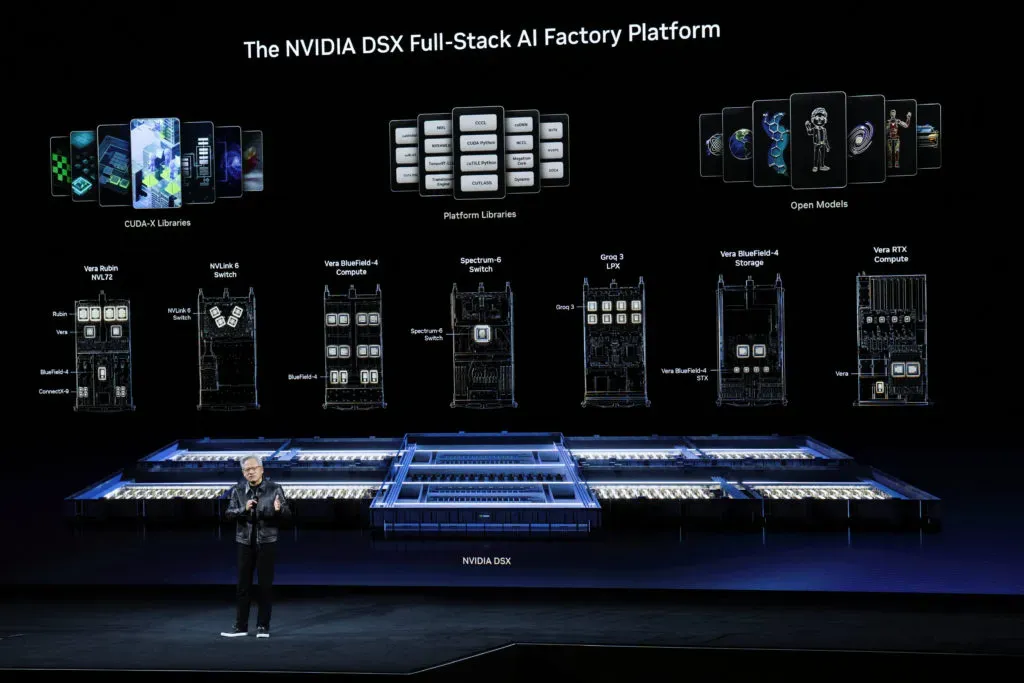
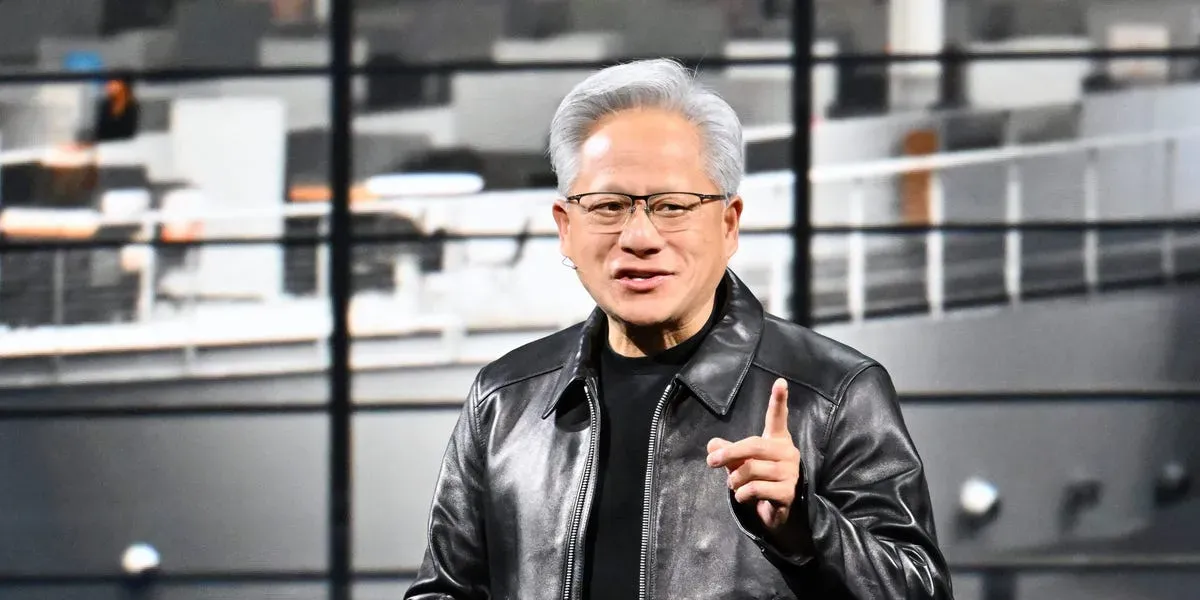
Nvidia shares plummeted by over 4 percent as investors reacted to news surrounding the company's CEO, Jensen Huang.
The market value of Nvidia still exceeds $4 trillion, making it a dominant force in both the stock market and the AI industry.
This significant drop is not an isolated incident, but rather part of a broader trend affecting global markets.
Nvidia's influence extends far beyond its own financials, with the company playing a central role in driving the current AI boom.
The impact on Nvidia's stock price has sparked concerns about the potential ripple effects on the entire AI industry and the economy at large.
The AI sector is highly dependent on Nvidia's technology, which raises questions about the stability of the market if the company's leadership is called into question.
The stakes are high due to Nvidia's significant presence in the global tech landscape.
Nvidia's influence extends beyond its own products, with its technology being used by numerous other companies and industries.
Nvidia's influence extends far beyond its own products, with its technology being used by numerous other companies and industries. This unique position has significant implications for the global economy, particularly in terms of finance and economics. The company's engine of growth has been a major driver of productivity, making it a crucial player in the tech sector. As a result, Nvidia is at the center of financing relationships with many other tech firms.
The company's leadership structure also raises concerns about accountability. Jensen Huang, Nvidia's founder, has built a company closely identified with his own leadership style and vision. He has no obvious successor, which could make it difficult for him to step aside or be replaced if needed. Even the board of directors is reportedly loyal to him, which may create challenges in conducting an independent investigation into any potential wrongdoing.
The lack of a clear succession plan at Nvidia has sparked concerns about what would happen if Huang were to stay on despite any allegations against him. This could potentially send a message that he is too important to be held accountable for his actions. Some experts have suggested that the board faces significant challenges in conducting an independent investigation into the company's leadership.
The investigation would need to examine not only the founder but also those who may have enabled or covered up any wrongdoing. Mohamed El-Erian has pointed out that the board has two major hurdles to overcome: conducting a thorough and independent investigation, and doing so without appearing to be beholden to Huang's influence.
The board of directors at Nvidia faces significant challenges in addressing the recent revelations about Jensen Huang's ties to the Chinese government. To conduct a thorough investigation, they must be independent and comprehensive, while also prioritizing shareholder interests.
In addition to this hurdle, the board must also mitigate key man risk, which refers to the potential consequences of losing a critical individual, such as Huang, who is closely associated with the company's success.
A key responsibility of any board is to ensure a smooth succession plan in place, and the current situation raises concerns about what would happen if Huang were to step down. The board must navigate this uncertainty while dealing with the implications of key man risk.
The political landscape in Washington is also shifting, with the Democrats set to take control of the House and Senate. This change could alter the approach to regulating AI, which has been largely laissez-faire under the Trump administration.
The previous skepticism about heavy-handed regulation may give way to a more cautious approach as concerns about China's influence over US technology companies grow, particularly in light of Nvidia's recent revelations.
The recent revelations surrounding Nvidia's dealings with China have sparked concerns about the potential risks and unintended consequences of allowing US technology companies to operate freely in a global market. This has led some experts to suggest that regulators may need to take a more cautious approach to ensure that sensitive technologies are not falling into the wrong hands.
As policymakers consider how to address these concerns, they will need to carefully weigh the benefits of promoting innovation against the potential risks of allowing China's influence over US technology companies to grow. This distinction between slowing down development and ensuring responsible growth is likely to become a key theme in ongoing debates about regulation and oversight.
Facts based on reporting originally published by PBS NewsHour World.
You may republish this story, in full or in part, if you credit News Central Site and link to it (licence CC BY 4.0). Photos are not included.