UK Government Launches Emergency Preparedness Campaign
The UK government has launched a campaign advising households to stock up on essential supplies in case of emergencies.

The UK government's recent "Be Ready campaign has caught many off guard, advising households to stock up on essential supplies in case of emergencies.
Brian, a Scottish engineer, is part of this new wave of preparedness. He remembers the 2010 winter that brought the country to its knees, with heavy snowfall crippling major roads and leaving families struggling to access basic necessities.
In the aftermath of that event, Brian decided he wouldn't be caught off guard again. He began building a store of non-perishable food and other essential supplies, ready for any unexpected shortages or disruptions.
It's very hard to look your kids in the eye when you're looking at a relatively empty cupboard, he says candidly about his decision to prepare for emergencies.
Brian now shares his expertise with others through online tutorials on YouTube, where he goes by the handle Scottishprepper73. His stash is so comprehensive that he believes his family could survive for an entire year without external help.
As news of the government's campaign spreads, British preppers are finding themselves thrust into the spotlight, despite operating on the fringes until now.
The heightened awareness of government campaigns has had a profound impact on people's perception of prepping. It's not just the fringe anymore; ordinary individuals are now embracing the idea of building household resilience. This shift can be attributed to the breaking down of normalcy bias, where people begin to see the value in preparing for unexpected events.
Preppers like Glyn Smith have observed a significant increase in interest from normal person preppers. These individuals aren't interested in apocalyptic scenarios or advanced survival skills; they simply want to ensure their families are equipped to handle everyday challenges. As a result, prepper communities are now seeing an influx of people who were previously uninterested.
The founder of the UK Survival Network has also reported a surge in interest among ordinary citizens. These aren't lone survivalists or extreme enthusiasts; instead, it's mums, dads, couples, and retirees who want to be prepared for life's uncertainties. This shift is significant, as it shows that prepping is no longer seen as an eccentric pursuit.
However, not everyone is welcoming of the growing interest in prepping. Some people respond with aggression when confronted with the idea of preparing for potential disasters. Preppers have reported receiving death threats and hostile messages from individuals who are skeptical or dismissive of their efforts.
The pushback against prepping is multifaceted, ranging from accusations of fearmongering to criticism that it's a waste of time and money. Some people feel that the government should provide for them instead of relying on individual preparedness. Others complain about the cost of prepping, feeling that it's an unaffordable luxury.
Despite these criticisms, preppers are trying to change the public's perception of their community. They're not the eccentric survivalists often portrayed in the media; rather, they're ordinary people who want to be prepared for everyday challenges like storms and floods. By focusing on practical, achievable goals, preppers aim to make their efforts seem more relatable and accessible to a wider audience.
A single incident like a burst water pipe or power outage can easily disrupt daily life in localized areas. This is not just hypothetical; supermarkets across Europe were recently targeted by hackers in an attack that has been attributed to Iran.
The aftermath of such incidents would be predictable: supermarket shelves might go bare, taps run dry, and the lights could flicker out. Ana, a prepper from south Wales, concurs on this point.
She emphasizes that disruptions like these can have far-reaching consequences for basic necessities. It's going to affect your food supply in supermarkets, your water, and your electricity, she warns.
Ana's own experiences with food preservation and long-term storage were sparked by her early life growing up on a farm where she learned the value of self-sufficiency. She has continued these habits throughout her life.
Her YouTube channel initially focused on cooking from scratch, but after realizing most people lacked basic knowledge about preserving food for extended periods, she shifted gears to prepper content.
Brian's home in Scotland is equipped with a range of tech-heavy setup features that would put many preppers' off-grid plans to shame. For him, it's not about abandoning modern conveniences, but rather about being prepared for the worst.
A significant portion of Brian's water storage capacity consists of 165 gallons of fresh water, which he refreshes every six months, ensuring a steady supply in case of emergencies. He has no need for bottled water, as he notes that Scotland has never struggled with water scarcity.
Unlike many preppers who plan to go off the grid if power and internet fail, Brian has taken a different approach. His house is fitted with solar panels, an air source heat pump provides heating, and a generator serves as backup power. He also has a diesel-powered heater for added security.
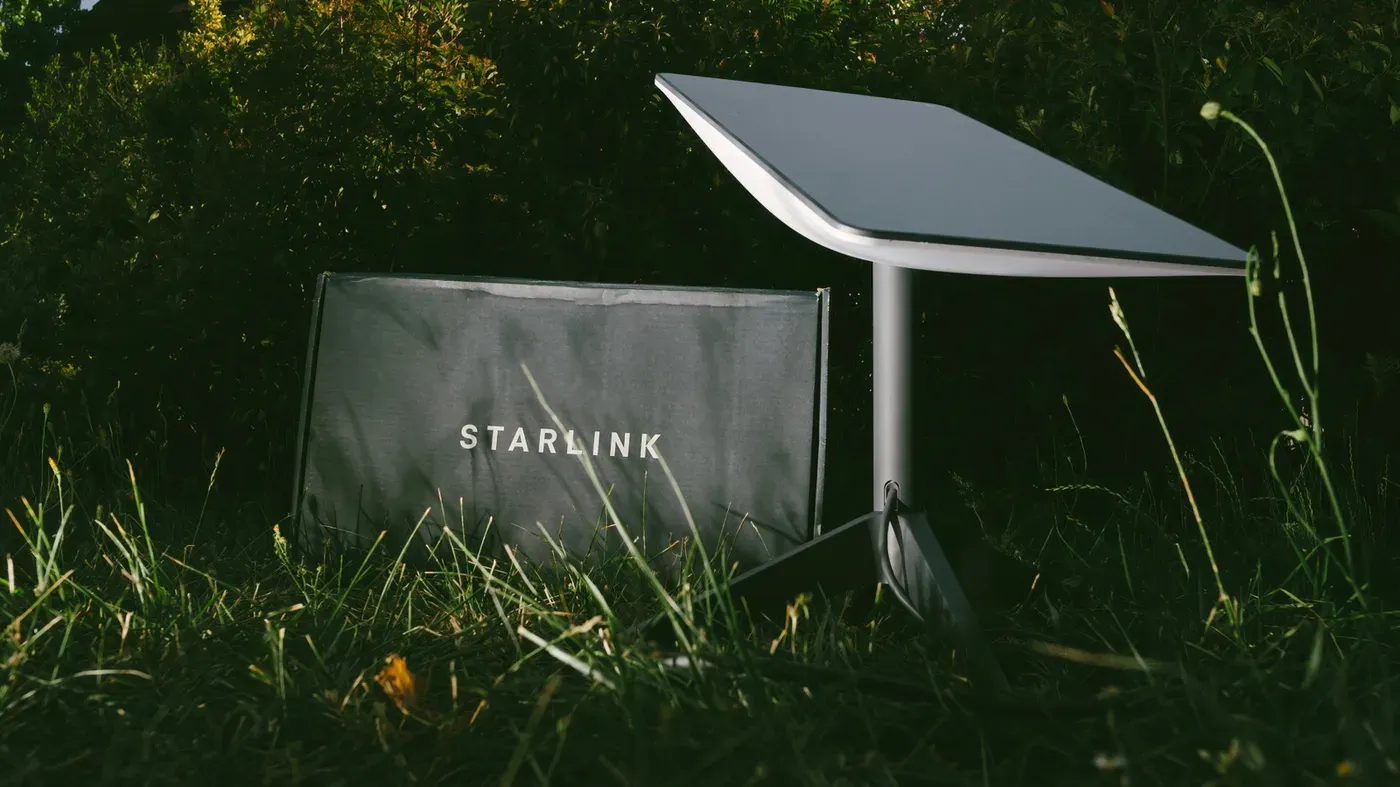
Brian's tech-heavy setup extends beyond his home's infrastructure, with him relying on Starlink for internet access and running two mesh networking systems as a precautionary measure. In the event that these fail, he has high-frequency radio as an ultimate fallback to stay connected.
In preparation for prolonged power outages, Brian has stockpiled essential items in his shed. His collection includes flashlights, lanterns, candles, radios, walkie-talkies, and even a night-vision headset, ensuring that life doesn't have to become unbearable in the absence of electricity.
Brian's approach stands in contrast to many US preppers who plan to leave their homes behind and live off the grid. As Chappell notes, British preppers tend to stay at home due to the lack of vast wilderness areas for them to escape to.
Preppers in the UK often face challenges when it comes to stocking up on essential supplies due to space constraints in urban areas. For some, this means prioritizing certain items over others, such as nappies for short-term emergencies.
While prepping is typically seen as a solo activity, many British preppers are part of close-knit communities that rely on one another in times of crisis. This communal approach is rooted in the understanding that resources and expertise can be shared more effectively when neighbors work together.
Secrecy often surrounds prepping activities in the UK, with some individuals keeping their stockpiles hidden from prying eyes due to concerns about becoming targets for looters or opportunists. However, this approach may not always be feasible, especially for those living in densely populated urban areas.
In contrast, others believe that community engagement can help foster trust and cooperation during emergencies. By setting up neighborhood WhatsApp groups and offering small favors to neighbors, preppers can establish a foundation for collaboration when it matters most.
This idea is based on the notion that people tend to come together rather than turn on each other in times of crisis, drawing inspiration from historical events such as the Blitz. While some may view this perspective as overly optimistic, others see it as a necessary mindset shift.
In emergency scenarios, pooling resources and knowledge can be more effective than going it alone, as seen in situations where neighbors have worked together to overcome challenges. However, not everyone shares this view, with some expressing concerns that the lack of information during power outages could lead to panic and poor decision-making.
As the UK prepares for potential power outages, individuals are taking steps to ensure their safety and well-being. For some, this means having a plan in place for emergency situations, such as bugging out to a safe location if necessary.
Prepping has become a hobby for many, with meet-ups and workshops providing opportunities to learn new skills and connect with like-minded individuals. Activities such as camping and tending an allotment are not only enjoyable but also useful in a prepper context, as they help build self-sufficiency and resourcefulness.
The focus is on being prepared, not necessarily expecting disaster. As one individual notes, This is not a way of life where I sit in a bunker hoping for the sky to fall." Instead, it's about having a plan and being ready, just in case.
Ultimately, prepping is about taking control of one's situation and being prepared for any eventuality.
Facts based on reporting originally published by Wired.
You may republish this story, in full or in part, if you credit News Central Site and link to it (licence CC BY 4.0). Photos are not included.