Climate Change Attribution Methods Show Varying Estimates of Damage Costs
Researchers use extreme event impact attribution (EEIA) to estimate climate-related damage, but different approaches yield varying results.
Global temperatures have risen due to human activity, making it difficult to quantify the costs directly associated with climate change. The impact of climate change on extreme weather events is often localized and variable, which can make it challenging for researchers to accurately capture these effects through observations and climate modeling.
Researchers use a method called extreme event impact attribution (EEIA) to estimate the damage and costs linked to climate change. This involves comparing actual extreme weather events with hypothetical scenarios where climate change was not a factor. However, EEIA has multiple versions, each with its own approach to attributing costs.
The frequency-change approach focuses on whether an event was made more likely by climate change, while the intensity-change approach examines how much more damaging an event became due to climate change. This diversity of methods can lead to varying estimates of the costs associated with climate change.
Despite these challenges, researchers continue to develop and refine their approaches to estimating the economic impact of climate-related extreme weather events.
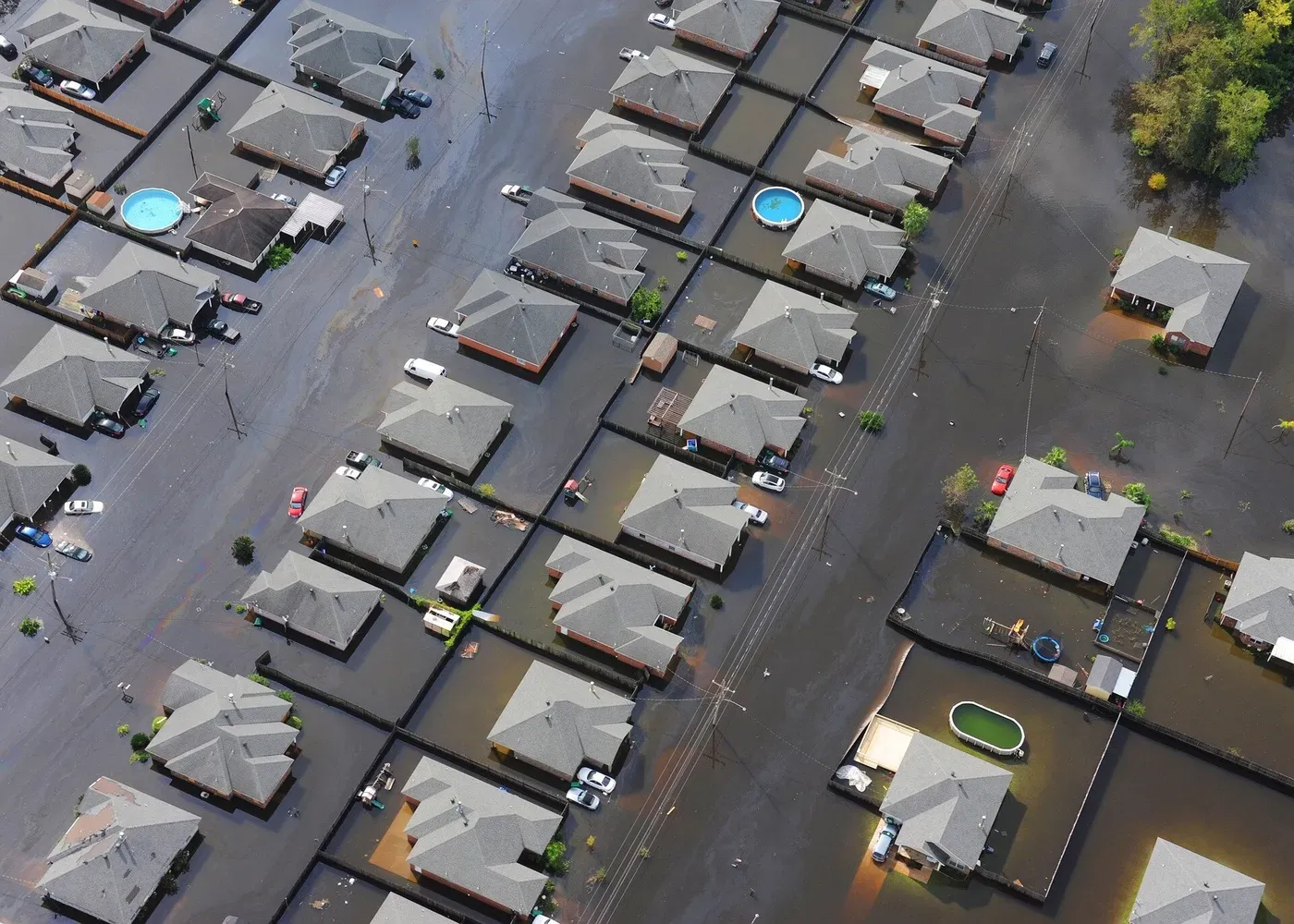
The estimates of climate-related damage vary significantly depending on the approach used. For instance, Hurricane Harvey in 2017 is estimated to have caused $90 billion in damages. However, when applying different methods, these costs are attributed differently to climate change - a frequency-change approach puts the figure at 75%, while an intensity-change approach estimates it to be just 15%. This disparity highlights potential limitations or theoretical flaws in one of the two approaches.
To assess whether a method is theoretically sound, researchers A. L. Match and colleagues have introduced a framework called consistency. According to this framework, a method is considered consistent if its total costs attributed to climate change over time match the actual excess costs incurred. The study reveals that both frequency- and intensity-based methods can be consistent under certain conditions.
The consistency framework helps clarify specific requirements for accurately capturing excess costs. When these conditions are met, it becomes possible to determine whether a method is theoretically valid or not. This development provides valuable insights into improving estimates of climate-related economic impacts.
By shedding light on the theoretical foundations of different approaches, researchers can refine their methods and provide more reliable estimates of climate change's financial toll. This effort will be crucial in informing decision-making processes and developing effective strategies to mitigate the effects of extreme weather events caused by climate change.
The ambiguity in attributing costs to climate change poses a significant challenge for efforts aimed at mitigating its effects.
The uncertainty surrounding these costs stems from the fact that both methods used to estimate them can be valid and consistent, making it difficult to determine their accuracy. As a result, even with perfect knowledge of climate and society, or significant technical breakthroughs, this ambiguity cannot be eliminated. This limitation could potentially hinder the ability of studies like EEIA to inform decision-making processes.
The inherent ambiguity in attributing costs to climate change events may ultimately limit the effectiveness of efforts aimed at adapting to, recovering from, or litigating against these impacts.
Facts based on reporting originally published by Phys.org.
You may republish this story, in full or in part, if you credit News Central Site and link to it (licence CC BY 4.0). Photos are not included.