Alex Pevtsova's Help Solved My Tiny Home Storage Issues
A local interior designer helped me optimize storage and functionality in my 150-square-foot garage casita.
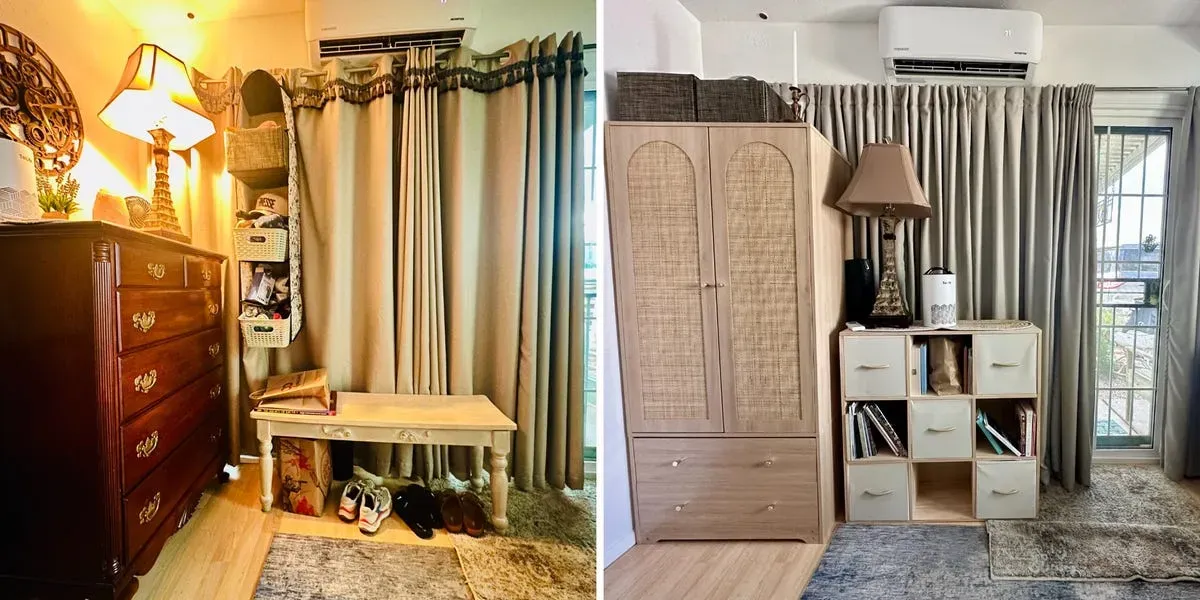
I recently moved into my parents' converted garage, a tiny 150-square-foot casita that was supposed to be temporary. However, making the space feel comfortable and functional proved to be a challenge. The existing bunk bed had to stay for future family visits, but I still needed to make the most of the limited square footage.
Seeking professional help seemed like an extravagance when I was trying to save as much as possible after separating from my husband. Nevertheless, I turned to Alex Pevtsova, a local interior designer whose work I admired. Interior design has never been my forte, and I was nervous about sharing photos and a video of the space with her.
Despite initial reservations, I sent her pictures and a video of the garage, imagining that she might be horrified by its tiny size and existing furniture. However, Alex's response was surprisingly kind and insightful. She pointed out that the space was already quite functional, which made it easier to identify areas for improvement.
Our focus quickly shifted to addressing storage issues in the garage. I needed designated spots for my purse and keys, as well as more shelving for my clothes. Additionally, I required a dedicated area for paperwork and filing, as well as a place to store tools and gift-wrapping supplies that were currently scattered throughout the space.
The interior designer's suggestions helped me better understand why my tiny home felt so cluttered and overwhelming.
We discussed my needs in more detail, including a dedicated area for paperwork and filing, as well as a place to store tools and gift-wrapping supplies that were scattered throughout the space.
To address these requirements, Pevtsova suggested using Ikea's planning software to design a custom wardrobe that would meet my needs. We used this tool to create a plan for a cabinet that could hold clothes and bags, with a shelf around waist height for work papers and organizers.
This design allowed me to close the doors and keep the mess out of sight, which was a major consideration given the limited space in my home.
The interior designer's guidance helped me make a list of essential items for my tiny home, ensuring that I didn't overspend on things I might not need in the long run.
With her expertise, we navigated Amazon's vast selection together, and our collaboration cost $375 at an hourly rate of $150. The total budget for the mini redesign came out to be approximately $768, including my purchases.
Buying items with the intention of replacing them a few months later can indeed be costly, as Pevtsova pointed out during our consultation. She played a crucial role in helping me prioritize what I truly needed, thereby saving me time and money.
The Amazon route had its drawbacks, however, as the heavy boxes proved difficult for both the delivery driver and myself to transport. The delivery driver struggled to bring them to the porch, and I ended up opening the packages outside before bringing in the wooden pieces one by one due to their weight.
The final touches to the interior design have been completed, and the result is a space that feels more functional and peaceful.
Removing the awkward hanging cloth shelf made a big difference, allowing for clutter-free storage in the cube unit's bins. The added storage on top of the wardrobe has also opened up the space, giving it a sense of openness. This improvement has been especially welcome during a chaotic time.
The designer's input extended to modifying the existing curtains as well, with the removal of grommets allowing for better light blocking when needed.
Facts based on reporting originally published by Business Insider.
You may republish this story, in full or in part, if you credit News Central Site and link to it (licence CC BY 4.0). Photos are not included.