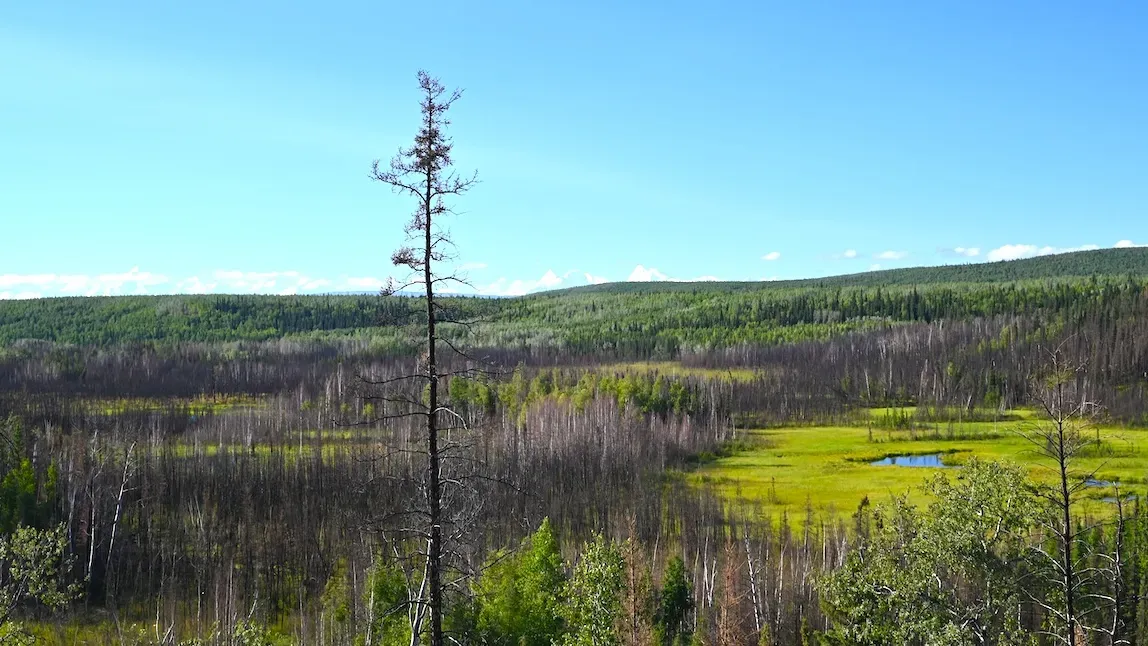
Rising Temperatures Threaten California's Redwood Trees
California's redwoods struggle with high temperatures when they soar above 100 degrees Fahrenheit, slowing down photosynthesis and threatening their survival.
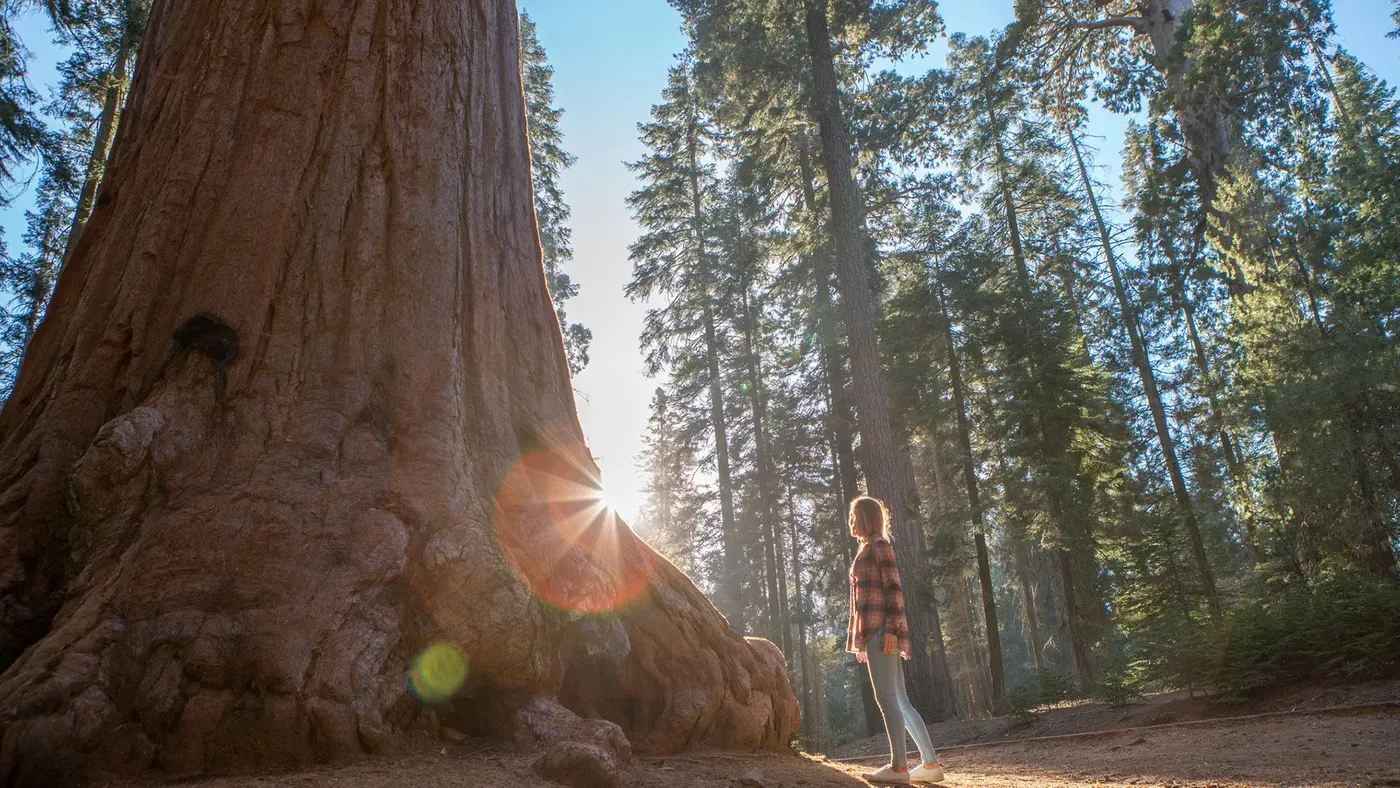
California's iconic redwood trees are facing a severe challenge due to rising temperatures in the region. When heat waves hit, these towering giants slow down their vital process of photosynthesis, which is essential for their survival and growth.
The study found that California's redwoods struggle with high temperatures, particularly when temperatures soar above 100 degrees Fahrenheit (37 degrees Celsius). This has significant implications for the long-term health and function of these forests. The researchers' findings suggest that climate change may be having a profound impact on the region's biodiversity.
Redwood forests are among the largest carbon sinks on the planet, playing a crucial role in storing atmospheric carbon dioxide. However, their range has contracted significantly over recent decades, leaving them vulnerable to the effects of climate change. This vulnerability is further exacerbated by more frequent extreme heat events.
The researchers' study, published recently, highlights the pressing issue facing California's redwood forests. The findings emphasize the urgent need for a better understanding of how these iconic trees respond to rising temperatures and other environmental stressors.
Photosynthesis is a critical process that allows plants to convert sunlight into energy, producing oxygen as a byproduct. It also enables them to store carbon dioxide from the atmosphere. In the context of California's redwood forests, this process is essential for their survival and ability to sequester atmospheric carbon.
In studying the impact of heat on photosynthesis in California redwoods, researchers at the University of California, Davis, discovered that these trees are struggling to cope with rising temperatures.
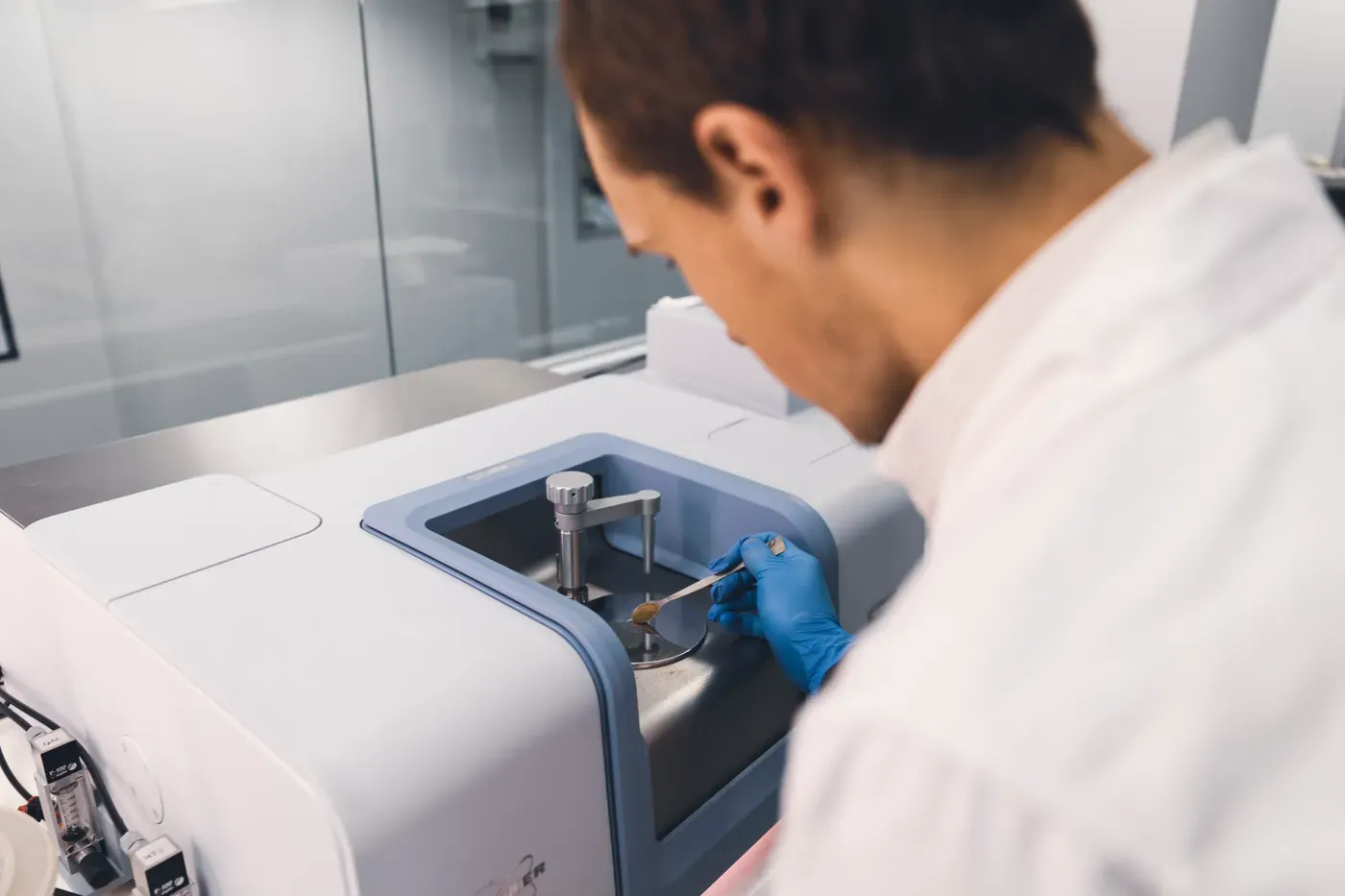
To measure how the leaves of redwoods in Mendocino County's Garcia River Forest respond to heat, scientists took leaf samples three times a month from 2022 to 2024. They measured the fluorescence and temperature of the leaves, which is an essential process for understanding photosynthesis.
A plant's molecules can use absorbed light in one of three ways: for photosynthesis, dissipation as heat, or reflection as light. The researchers used fluorescence as a proxy measurement to gauge the rate of photosynthesis in the redwood leaves.
To determine the maximum photosynthetic rate of the leaves, the scientists placed a fourth leaf sample in tinfoil for 20 minutes before exposing it to a pulse of light that mimics the wavelength used for photosynthesis. This allowed them to isolate and measure the optimal photosynthetic response of the leaves.
On hot days, the researchers found that redwood leaves exposed to sunlight reached temperatures up to 18 degrees Fahrenheit (10 degrees Celsius) higher than the surrounding air temperature.
The unique way that plants regulate temperature and photosynthesis involves controlling the opening and closing of tiny pores called stomata on their leaves.
These stomata play a crucial role in regulating the amount of carbon dioxide entering the plant and the release of oxygen and water vapor. When the intake of carbon dioxide is reduced, it directly affects the plant's ability to undergo photosynthesis, resulting in less energy production.
The temperature differences between air and redwood leaf temperatures observed by researchers suggest that the leaves may be closing their stomata to prevent excessive water loss through evaporation during hot conditions.
This would lead to overheating of the leaves, which could have severe consequences for the plant's overall health. The findings indicate that the trees' ability to regulate temperature is not as efficient as previously thought.
Despite having access to a constant supply of water, laboratory experiments showed that redwood leaf samples still experienced reduced photosynthesis at higher temperatures.
This suggests that heat directly limits the plant's capacity for photosynthesis, rather than causing stomatal closure. The results indicate that rising temperatures will likely have a negative impact on the trees' ability to photosynthesize and store carbon.
The study's findings also support the idea that the effects of heat on redwood leaves are not limited to stomatal closure. This means that these iconic trees are already experiencing direct damage from rising temperatures, affecting their overall health and survival.
The impact of rising temperatures on California's iconic redwoods has far-reaching implications for their future survival. Researchers are struggling to understand at what point this damage becomes irreversible, a crucial factor in predicting how climate change will affect plants.
To better grasp the extent of this issue, scientists plan to move beyond studying individual leaves and examine the broader ecosystem effects of heat stress on these trees. This includes investigating the thresholds beyond which damage becomes permanent.
The next challenge is determining whether the observed stress response in redwoods is reversible or if they are indeed sustaining lasting harm from prolonged exposure to heat and drought conditions. Further research is needed to gain a more comprehensive understanding of how entire ecosystems respond to such extreme weather events.
To achieve this, researchers will need to gather additional data on the effects of heat stress at various scales, including individual trees, their surroundings, and the overall ecosystem.
The struggle of California's majestic redwood trees has come into focus as researchers investigate the impact of heat stress on these natural wonders. Rising temperatures are causing significant damage to the trees' ability to survive and thrive in their native habitats.
As scientists continue to study the effects of heat stress on individual trees, their surroundings, and the ecosystem at large, they acknowledge that more data is needed to fully understand the extent of the problem. The long-term consequences for these iconic species remain uncertain until further research can provide a clearer picture.
Facts based on reporting originally published by Live Science.
You may republish this story, in full or in part, if you credit News Central Site and link to it (licence CC BY 4.0). Photos are not included.