Camouflage Proposed as Information-Masking Signal in Nature
A Japanese researcher has proposed a new perspective on camouflage in nature, challenging conventional wisdom that views it solely as a means of concealment. According to this...
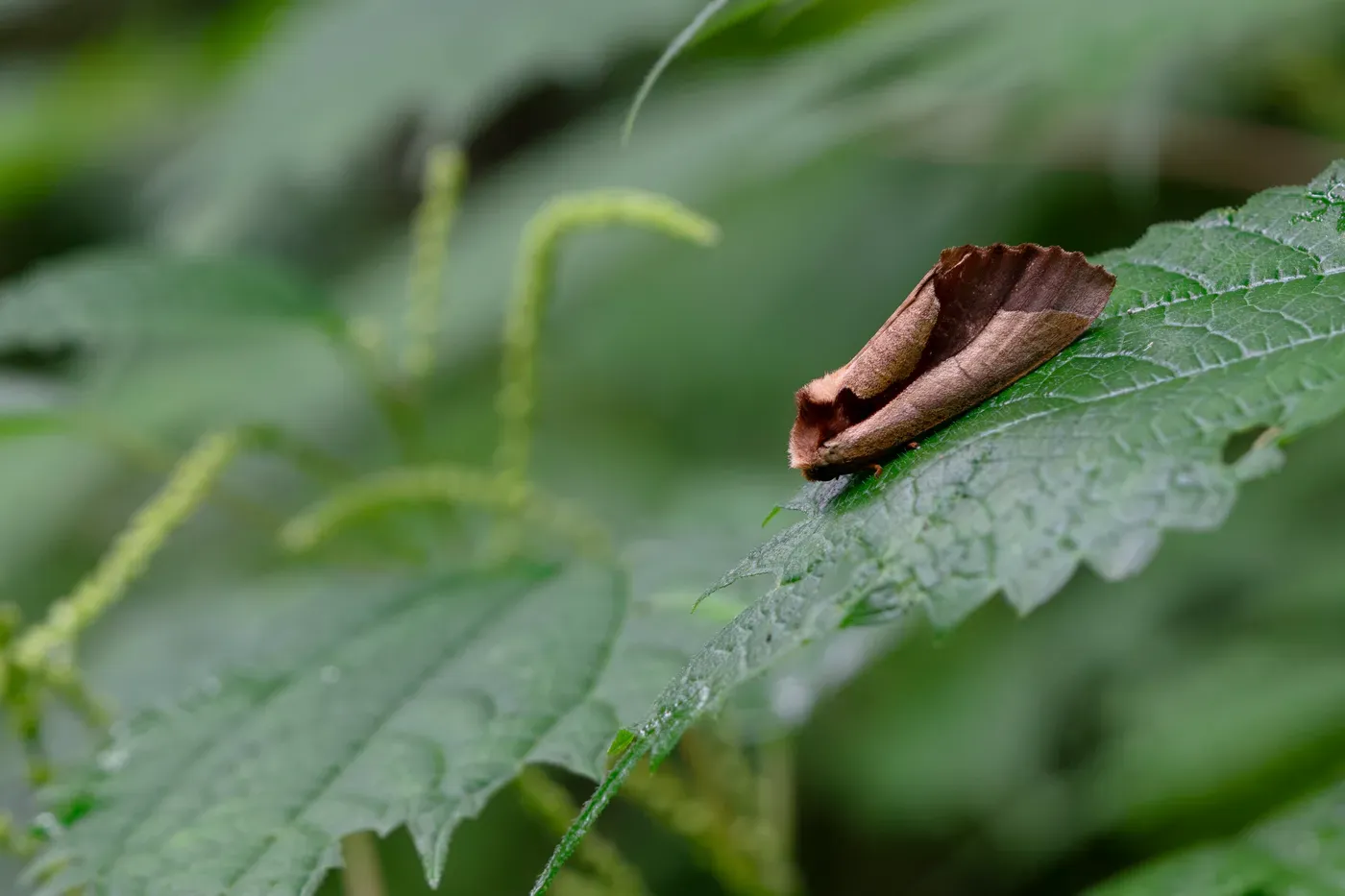
A Japanese researcher has proposed a new perspective on camouflage in nature, challenging conventional wisdom that views it solely as a means of concealment. According to this interpretation, camouflage can be seen as an "information-masking" signal, which disrupts the flow of information rather than conveying any specific message.
Camouflage is an ubiquitous phenomenon in the natural world, with creatures from octopuses to chameleons adopting colors and behaviors that help them blend seamlessly into their surroundings. This ability to avoid detection by predators or even be an essential hunting strategy has led many to view camouflage as a simple matter of concealment.
In conventional understanding, there seems to be little connection between camouflage and communication, with the former being all about adopting states that do not convey anything to other creatures. However, this new perspective suggests that information-masking signals may be more prevalent than previously thought, particularly in the context of communication.
The researcher's work has been published in the journal Philosophy of Science, where it is likely to generate significant debate and discussion among experts in the field. The implications of this new interpretation are far-reaching, with potential applications beyond the natural world into the wider realm of human communication.
The proposal by assistant professor Minato Asari from Tokyo Metropolitan University has sparked debate about the nature of communication in animals. According to conventional wisdom, for something to be considered a signal, it must be detected and respond with modified behavior. However, camouflage seems to contradict this definition as its primary purpose is to avoid detection.
Researchers have begun to question whether existing definitions are too narrow or simplistic. They argue that detection itself may not be the key factor in determining what constitutes a signal. Instead, they suggest that even if other creatures do detect camouflaged animals, they can still modify their behavior accordingly.
Experiments conducted with chickens provide evidence for this new perspective. In one such study, birds were first exposed to twigs and then presented with caterpillars disguised as twigs. Those that had prior exposure took longer to attack the caterpillars, indicating a learned response to camouflage.
The findings imply that even when ignored or dismissed, camouflaged animals can still have an impact on their predators' behavior. This challenges traditional views of communication in the natural world and opens up new avenues for exploration.
The concept of camouflage as a form of communication has significant implications for our understanding of information theory. In essence, camouflage involves an additional signal that masks true information from detection or interpretation. This is distinct from deception, which aims to convey false information.
Camouflage's role in concealing true information challenges traditional views of communication in the natural world. By adopting this concept, researchers can explore new avenues for understanding how animals interact and communicate with each other. Asari's work suggests that information theory can be applied when both transmitting and masking information occur simultaneously.
The study of camouflage expands beyond animal signaling to encompass a broader range of applications. This includes examining how organisms use deception and misinformation in their communication strategies. By integrating these concepts, researchers can gain a more comprehensive understanding of the complexities of natural communication.
The findings of this research open up new avenues for exploration and challenge our existing perspectives on information theory. Ultimately, this work contributes to our growing understanding of the intricate ways in which animals communicate with each other.
Facts based on reporting originally published by Phys.org.
You may republish this story, in full or in part, if you credit News Central Site and link to it (licence CC BY 4.0). Photos are not included.