Calcified Mass Found in Woman's Abdomen Confirmed to Be Non-Viable Fetus
A 42-year-old woman in Somaliland has been carrying a hardened mass in her abdomen for three years, despite showing no signs of pregnancy.
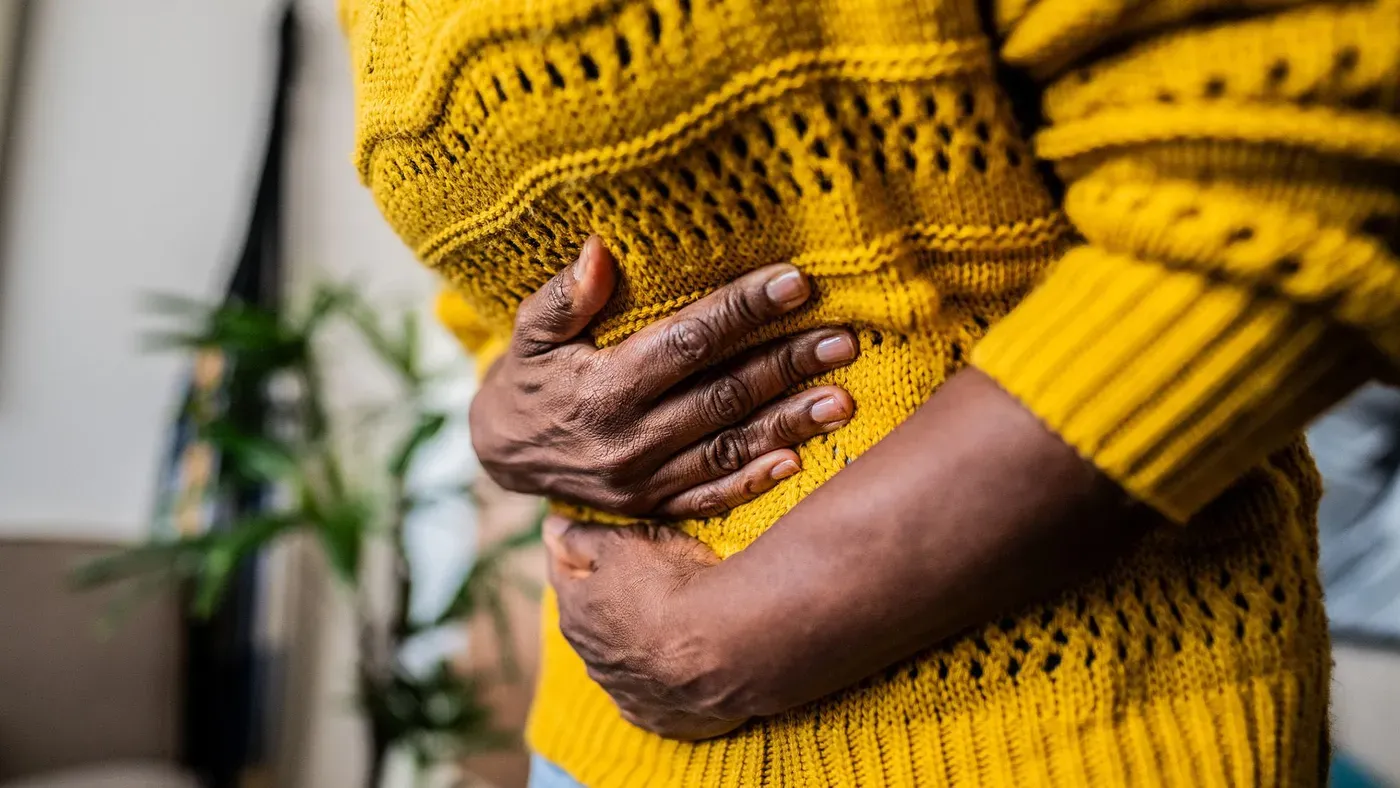
A 42-year-old woman in Somaliland, Africa, has been carrying what appears to be a hardened mass in her abdomen for three years, despite showing no signs of pregnancy.
The woman initially went to the hospital complaining of chronic pain and a growing sense of heaviness in her lower abdomen, which had worsened over recent months. Her medical history revealed symptoms that seemed to indicate a pregnancy three years ago, including abdominal growth and "fetal movements she had experienced during this time.
These symptoms eventually subsided, and the woman did not seek medical care during or after this apparent pregnancy. However, when doctors physically examined her abdomen, they found a hard, irregular mass extending from her belly button that barely moved when touched.
A series of tests confirmed the presence of a calcified mass in the woman's abdomen, with an empty uterus and normal kidney and liver functions. Blood tests showed mild anemia but no other abnormalities, and a pregnancy test was negative, ruling out any possibility of a living fetus.
The doctors ordered an advanced CT scan to create a 3D model of the mass in the woman's abdomen and pelvis, hoping to get a better understanding of its composition and structure.
The imaging revealed that the mass contained clearly identifiable fetal skeletal structures, including a skull, spinal column, ribs, and arm and leg bones. These findings confirmed the presence of a non-viable fetus, which had developed inside the woman's body over an extended period.
Measuring roughly 7 by 5 inches (18 by 13 centimeters), the mass was substantial in size, occupying a significant portion of the lower abdomen and pelvis. The precise dimensions of the mass underscored its unusual nature and the challenges it posed for medical professionals treating the woman.
The term lithopedion originates from the Greek words lithos," meaning stone, and "paidion, meaning child. This label reflects the fact that a lithopedion is essentially a non-viable fetus that has developed in the abdominal cavity, often as a result of an ectopic pregnancy.
The calcification process helps protect the mother from potential complications and infections by forming a hard casing around the fetal remains.
This calcified mass likely contributed to the woman's persistent abdominal pain and growing sense of heaviness, according to her doctors' assessment.
To address this issue, surgeons performed an operation to completely remove the calcified fetal mass from the patient's pelvis.
Following surgery, the woman experienced mild symptoms, including a fever and nausea, but these were successfully treated with medical care.
Her condition continued to improve during her hospital stay, allowing for discharge in good health.
In rare instances of ectopic pregnancy, women may unknowingly carry calcified remains for decades before experiencing symptoms.
A 74-year-old woman from India is a notable example, having carried her stone baby" for over three decades without incident until she eventually developed noticeable issues.
This unusual case highlights the varying lengths of time that women can go undiagnosed with an ectopic pregnancy.
The recent case reported in Somaliland demonstrates how access to routine prenatal care and early pregnancy scans is crucial for timely diagnoses, as the woman's condition continued to improve during her hospital stay, allowing for discharge in good health.
In resource-limited settings such as Somaliland, a lack of access to advanced medical technology can hinder diagnosis and treatment, making successful outcomes all the more remarkable.
The use of 3D imaging in this case underscores the importance of innovative diagnostic tools in achieving positive outcomes, even in constrained environments.
Facts based on reporting originally published by Live Science.
You may republish this story, in full or in part, if you credit News Central Site and link to it (licence CC BY 4.0). Photos are not included.